Understanding Liver Diseases Through Ayurveda: Principles, Remedies, and Care
Ayurvedic Insights on Liver Health: Principles and Herbal Approaches
Learn how Ayurveda views liver health, its core principles, and traditional herbs—plus realistic guidance on evidence and safe wellness choices.
Liver disease is a growing concern for many, with questions often arising about holistic and alternative approaches to liver care. Ayurveda, India’s ancient system of medicine, offers a unique perspective on liver function and its connection to overall wellbeing. If you’re curious about what Ayurveda says about liver health, and which remedies are often discussed, this guide seeks to inform—without offering medical advice or overpromising outcomes.
What is the Liver and Why Is It Important?
The liver is one of the body’s essential organs. It plays a key role in digestion, energy production, cleansing the blood, and storing nutrients. Conditions that affect the liver—such as fatty liver, hepatitis, or cirrhosis—can impact your digestion, immunity, and energy levels.
Western medicine explains liver diseases through infection, toxins, fat accumulation, and other factors. Ayurveda, however, offers an interconnected view rooted in its unique philosophy. Understanding these perspectives can add depth to your health knowledge.
How Does Ayurveda View the Liver?
In Ayurveda, the liver is traditionally called “Yakrit.” It is linked to the “Pitta dosha”—one of the body’s three fundamental energies (doshas), along with Vata and Kapha. Pitta governs metabolism, transformation, and heat. The liver, therefore, is seen as a primary site for Pitta-related activities, influencing digestion, blood quality, and detoxification.
According to classic Ayurvedic texts:
The liver helps maintain the balance of heat and metabolism in the body.
Imbalances in Pitta can contribute to digestive issues, skin problems, jaundice, and other concerns.
The health of the liver is closely tied to digestion, emotional balance, lifestyle habits, and diet.
Foundational Principles of Ayurvedic Liver Care
Ayurveda doesn’t separate the liver from the rest of the body. Instead, it focuses on balance—within the doshas and daily life. Key tenets include:
A diet suited to one’s constitution (prakriti) and the state of the doshas
Regularity in meals and avoidance of overeating or late-night eating
Emphasis on seasonal foods, gentle spices, and warm meals
Using natural herbs and preparations believed to “cool” or pacify Pitta
Prioritizing stress reduction, mindful breathing, and restorative sleep
Common Ayurvedic Remedies and Herbs for Liver Support
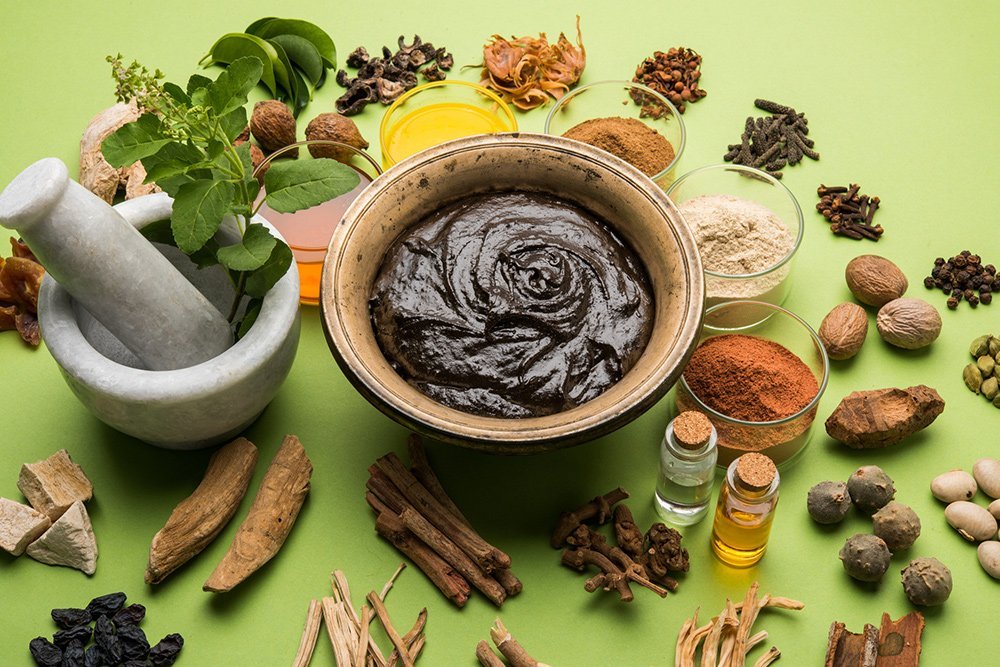
Ayurvedic tradition refers to several herbs known as “hepatoprotectives”—meaning they are believed to support liver health. Some widely discussed examples include:
Kutki (Picrorhiza kurroa): Traditionally said to support bile flow and detoxification.
Kalmegh (Andrographis paniculata): Known for its bitter taste, it is used in Ayurveda to help balance Pitta and assist the liver.
Bhumyamalaki (Phyllanthus niruri): Commonly associated with jaundice and liver strength in classic texts.
Guduchi (Tinospora cordifolia): Noted for its immune-supportive roles, it is also cited for detoxification.
Triphala: A blend of three fruits supporting digestion and elimination.
It’s important to note that while traditional use is extensive, modern research on these herbs varies in quality and scope. The safety and effectiveness of many Ayurvedic remedies are still being studied. Always speak to a qualified practitioner before using herbs, especially if you have an existing liver condition or are taking other medications.
How Ayurveda Explains Causes and Symptoms of Liver Disease
From an Ayurvedic lens, liver disease may result from:
Excessive consumption of spicy, oily, fermented, or heavy foods
Emotional stress or unresolved anger (believed to aggravate Pitta)
Alcohol and certain toxins
Irregular lifestyle habits, such as skipping meals or sleep deprivation
Ayurvedic classics outline symptoms of liver imbalance as:
Digestive discomfort such as loss of appetite, bloating, or acidity
Yellowing of the skin or eyes (jaundice)
Fatigue
Itching, rashes, or other changes in the skin
How to Support Liver Health: Prevention and Lifestyle Tips
General Ayurvedic guidelines that may help support overall liver health include:
Eating fresh, home-cooked meals with moderate spices
Choosing bitter vegetables (like bitter gourd), leafy greens, and seasonal fruits
Staying hydrated with clean water and herbal teas
Limiting alcohol, processed, and very spicy or fried foods
Incorporating mindful movement, gentle yoga, and deep breathing
Fostering emotional balance through meditation or spending time in nature
Maintaining a regular daily routine and quality sleep
However, these are preventive principles—if you have or suspect a liver condition, consult a doctor. Ayurveda recommends personalized care, not “one-size-fits-all” solutions.
When to Seek Medical Advice
Liver conditions can progress silently in their early stages. Contact a healthcare provider if you notice:
Unexplained fatigue or weakness
Persistent digestive discomfort or pain in the upper right abdomen
Yellowing skin or eyes
Dark urine or pale stools
Unexpected weight loss or swelling in the abdomen or legs
Prompt diagnosis allows for timely care. Ayurvedic or herbal remedies should never replace doctor-recommended treatment for liver disease.
Limitations of Current Evidence
Ayurveda offers many time-honored tools for wellness, but scientific evidence for specific remedies or methods is still emerging. Research on some herbs shows promise; however, quality clinical trials are limited.
There can be risks to self-medicating or combining herbal products with conventional medicine.
Consulting both qualified Ayurvedic and allopathic professionals can help you make informed, safe choices.
Frequently Asked Questions
Can Ayurveda cure liver disease?
Ayurveda focuses on balancing the body and supporting wellness rather than promising “cures.” Some practices may assist with prevention or symptom relief but should always be seen as complementary. Do not substitute Ayurvedic remedies for medical care if you have a diagnosed liver condition.
Are Ayurvedic herbs safe for everyone?
Not all herbs are universally safe—some may interact with medications, and others may not be suitable for certain health conditions. Always seek expert advice before starting any herbal supplement.
How does diet in Ayurveda differ for liver health?
Ayurvedic dietary guidance typically emphasizes reducing oily, spicy, and processed foods while favoring lighter, warm, and freshly-cooked meals. Bitter and cooling foods are often highlighted for Pitta/liver balance.
Can stress impact liver health in Ayurveda?
Yes, Ayurveda recognizes a link between emotional wellbeing and liver function, as “excess heat” from stress or anger is believed to disturb the Pitta dosha. Mindfulness and stress-reducing practices are recommended for balance.
Should I try both Ayurveda and modern medicine for liver disease?
For any liver condition, medical assessment is crucial. If considering Ayurvedic support, inform your doctor and choose an experienced, qualified practitioner. Integration can be possible, but safety must come first.
Is it safe to detox the liver through Ayurvedic methods?
The concept of “detox” in Ayurveda usually focuses on gentle dietary and lifestyle adjustments. Extreme or unproven detox protocols—especially those involving unregulated herbs or fasting—can be risky. Always check with a healthcare provider.
At medisecret.com, we are committed to providing clear, reliable health information rooted in evidence and ethical guidance. We encourage you to stay informed, ask questions, and make thoughtful decisions about your liver health. Your wellbeing deserves both the wisdom of tradition and the assurance of modern science.