Preventing Type 2 Diabetes with Ayurveda: Traditional Wisdom for Modern Living
Preventing Type 2 Diabetes Naturally with Ayurveda
Explore Ayurvedic guidance to help balance blood sugar and reduce diabetes risk. Learn holistic dietary, lifestyle, and herbal tips for everyday wellness.
Type 2 diabetes is becoming increasingly common worldwide, affecting people of all ages and backgrounds. Many are looking for ways to prevent or delay this condition through natural and lifestyle-based approaches. Ayurveda, India’s traditional system of medicine, offers thoughtful, holistic strategies that focus on balance, mindful living, and the prevention of disease. Here, we explore how Ayurvedic principles may help support healthy blood sugar and promote long-term wellbeing—always as an educational guide alongside modern medical advice.
Understanding Type 2 Diabetes and Why Prevention Matters
Type 2 diabetes is a chronic condition in which the body struggles to regulate blood sugar levels, often due to resistance to the hormone insulin or insufficient insulin production. High blood sugar over time can lead to serious complications, including heart disease, kidney issues, nerve problems, and vision changes. Preventing or delaying the onset of type 2 diabetes not only protects your body’s vital systems, but can help you feel more energetic and enjoy a higher quality of life.
Ayurveda emphasizes balance—of body, mind, and environment—and aims to address health concerns before they develop into chronic problems. This preventive focus aligns with the goal of reducing risk factors for diabetes, such as unhealthy eating habits, lack of exercise, and chronic stress.
What is Ayurveda and How Does it Approach Diabetes Prevention?
Ayurveda is a holistic health system that dates back thousands of years in India. It teaches that health results from harmony among body, mind, spirit, and environment, and uses individualized recommendations based on a person’s constitution, or “dosha”—vata, pitta, or kapha.
When it comes to diabetes prevention, Ayurveda doesn’t offer quick fixes or miracle cures. Instead, it provides practical guidance on daily living, food choices, mental health, and body movement—helping people create routines shaped by self-awareness and moderation.
Key Contributing Factors to Diabetes According to Ayurveda
Ayurveda identifies risk factors that can increase susceptibility to imbalances like “Madhumeha” (a term traditionally associated with diabetes):
– Sedentary lifestyle and lack of physical activity
– Excess intake of heavy, oily, or excessively sweet foods
– Irregular eating patterns or overeating
– Poor digestion and metabolism (“Agni” or digestive fire)
– Persistent emotional stress or lack of restorative sleep
While modern research recognizes obesity, poor diet, inactivity, and genetics as important risk factors, Ayurveda’s approach adds the dimension of how lifestyle, digestion, and mind-body balance interplay over time.
Ayurvedic Dietary Habits for Balanced Blood Sugar
Ayurvedic nutrition focuses on digestibility, moderation, and whole, fresh foods. Here are some principles often recommended by Ayurvedic practitioners:
– Emphasize seasonal, minimally processed foods: Choose fresh fruits, vegetables, whole grains, and legumes.
– Favor foods that are high in fiber: Brown rice, barley, amaranth, green leafy vegetables, and lentils can support satiety and help maintain balanced blood sugar.
– Limit refined sugar and overly processed snacks: Ayurveda traditionally advises against excessive sweet, heavy, and oily foods.
– Eat at consistent times: Ayurveda recommends regular meal timings, reducing snacking, and eating the largest meal during midday, when digestion is strongest.
– Include gentle spices: Turmeric, fenugreek, cinnamon, and cumin may support healthy metabolism when used in moderation and as part of a varied diet.
It is important to remember that individual dietary needs vary. Anyone considering significant dietary changes or herbal additions should consult with a healthcare provider, especially if taking medications or managing other health conditions.
Ayurvedic Lifestyle Practices to Support Prevention
Routine and mindful movement are pillars of Ayurvedic wellness:
– Daily movement: Activities like yoga, brisk walking, or simple stretching are encouraged to stimulate circulation, support metabolism, and manage stress.
– Adequate sleep: Consistent rest supports hormone balance, energy, and appetitive control.
– Stress management: Practices like meditation, mindful breathing, and gentle self-care may help balance blood sugar by reducing stress hormones.
Herbal Insights: Ancient Wisdom Meets Modern Inquiry
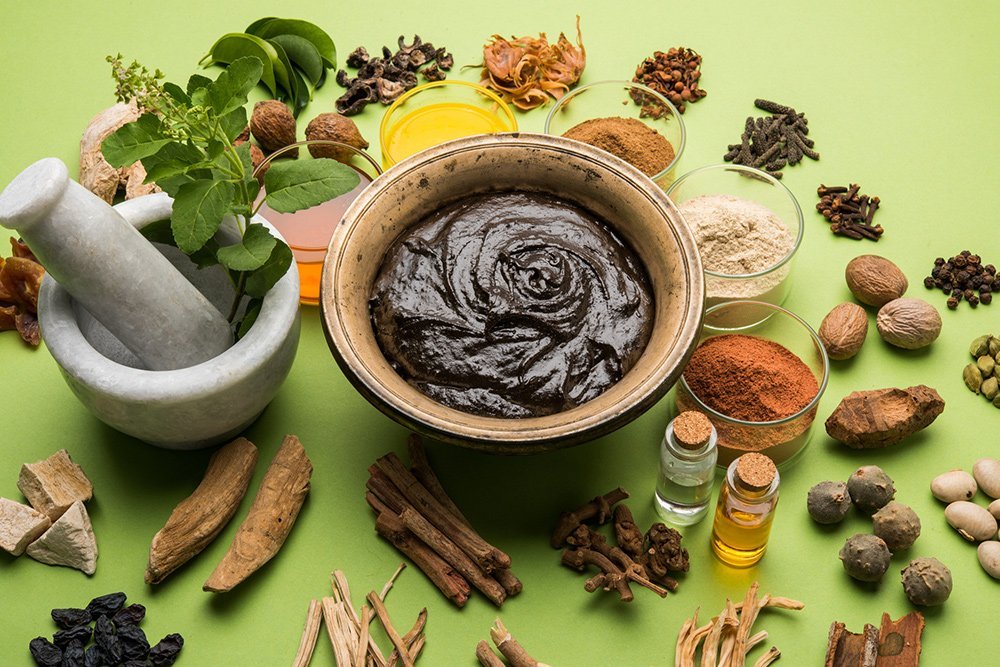
Ayurveda offers plant-based therapies for general wellness. Some frequently discussed herbs in Ayurvedic texts associated with glucose support include:
– Fenugreek (Methi): Traditionally used to help control appetite and support digestion
– Bitter melon (Karela): Known for its bitter properties and may support metabolic balance
– Gudmar (Gymnema sylvestre): Often called the “sugar destroyer” in Ayurveda
– Turmeric (Haldi): Contains curcumin, studied for its anti-inflammatory and potential metabolic effects
While preliminary research and traditional use offer some support for these herbs, scientific studies in humans are ongoing and sometimes inconclusive. Herbal supplements are not a replacement for medical management and may have interactions or side effects.
When to Consult a Healthcare Professional
Ayurvedic advice is intended to complement—not replace—professional medical care. It is important to connect with a healthcare provider if you:
– Have risk factors like family history, overweight, or high blood pressure
– Notice increased thirst, frequent urination, fatigue, or unexplained weight changes
– Are already taking prescriptions or managing other health concerns
Early screening, diagnosis, and evidence-based intervention remain the foundation for safe diabetes prevention and care.
Limitations and Responsible Guidance
Ayurveda offers holistic frameworks for maintaining balance and fostering long-term wellness. However, it is not a substitute for individualized medical advice, evidence-based guidelines, or necessary medications. The best preventive approach combines traditional wisdom with modern scientific insights, tailored to your unique needs.
FAQ
What is the core Ayurvedic approach to preventing diabetes?
Ayurveda emphasizes balanced routines, whole foods, mindful movement, and stress management to support digestion and metabolic health, focusing on prevention before disease develops.
Are Ayurvedic herbs a safe way to prevent diabetes?
While some herbs have traditional and early scientific support, their effects can vary. It is best to consult with a doctor before starting any supplements, especially if you take medication or have health conditions.
Can Ayurveda replace diabetes medication?
No. Ayurveda can support a healthy lifestyle but should not be used as a substitute for prescribed medication or professional guidance. Any complementary approaches should be discussed with your healthcare provider.
How important is exercise in Ayurveda for diabetes prevention?
Movement is considered essential in Ayurveda. Gentle yoga, walking, and daily activity can aid metabolism, support weight management, and reduce stress—important factors in preventing diabetes.
I have a family history of diabetes; can Ayurveda help me avoid it?
Ayurveda can encourage healthy habits and awareness of risk factors, which may support prevention. However, genetics also play a role, so regular check-ups and a combined approach with modern medicine are important.
Is Ayurvedic food always vegetarian?
Not necessarily. While many Ayurvedic guidelines prefer plant-based meals, the tradition can be adapted to an individual’s constitution and needs. The focus is on fresh, digestible, and minimally processed food.
At medisecret.com, our commitment is to providing balanced, transparent health education rooted in respect for both traditional wisdom and modern medical science. By blending thoughtful Ayurvedic practices with evidence-based guidance, we aim to support your informed and confident approach to lifelong wellness. Always consult with trusted healthcare professionals for personal medical advice.