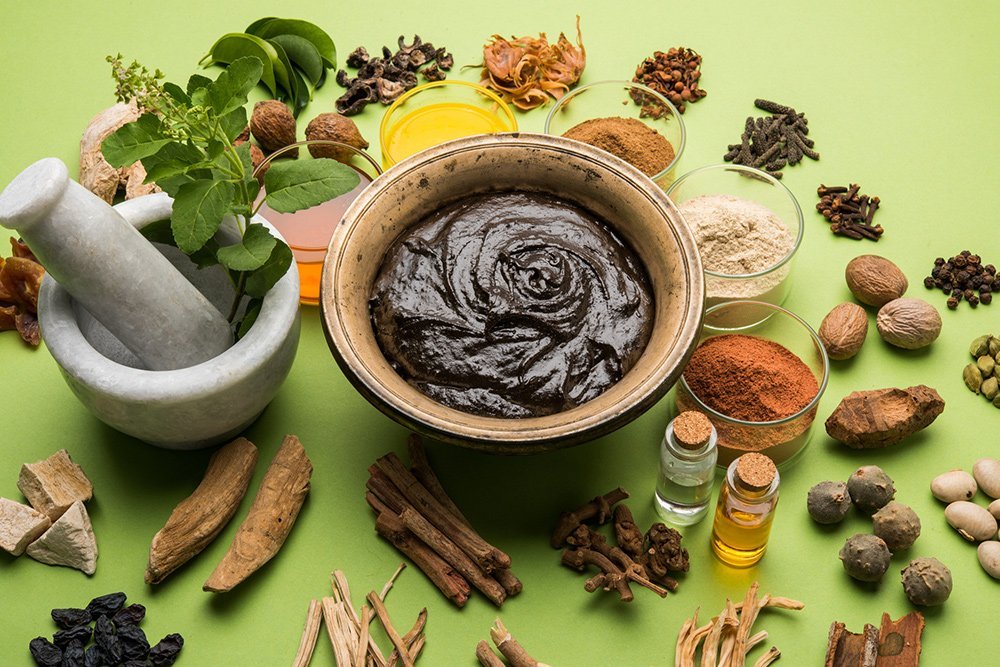
Ayurvedic Treatments for Common Skin Conditions: Balancing Tradition with Modern Wellness
Ayurvedic Skin Care: Ancient Insights for Modern Concerns
Explore effective Ayurvedic treatments for common skin conditions. Learn about time-tested herbs, routines, and holistic tips to support healthy skin naturally.
Skin health is important not just for appearance but also for overall well-being and self-confidence. Many people today face common skin concerns such as dryness, acne, pigmentation, or eczema and look for natural solutions that go beyond conventional creams and medications. Ayurveda, a traditional system of medicine practiced in India for thousands of years, offers a holistic approach to skin care that balances body, mind, and lifestyle. This article explores how Ayurvedic principles and remedies can support skin health, their place in modern wellness, and the responsible way to include them in your routine.
Understanding Ayurveda and Skin Health
Ayurveda is an ancient medical system from India that emphasizes balance—between the body’s energies (called doshas), the environment, daily routines, and nutrition. In Ayurveda, the skin is not only a protective barrier but also a reflection of internal health and the balance—or imbalance—of doshas: Vata (air and space), Pitta (fire and water), and Kapha (water and earth).
Common Skin Conditions and Why They Happen
Ayurvedic practitioners believe that skin issues often result from underlying imbalances rather than isolated problems. Some common skin concerns include:
Acne (Yauvan Pidika): Thought to be aggravated by an imbalance in Pitta dosha, leading to inflammation and excess oil.
Eczema (Vicharchika): Linked to Vata and Kapha imbalance, causing dryness, itching, or oozing.
Hyperpigmentation (Vyanga): Connected with excess heat (Pitta), sun exposure, or hormonal changes.
Dry Skin (Tvak Rukshata): Often associated with aggravated Vata, leading to dehydration and flakiness.
Understanding the root causes—such as heat, toxins, diet, stress, or environmental factors—shapes how Ayurveda approaches treatment.
Ayurvedic Remedies and Practices for Skin Health
It’s important to remember that Ayurvedic skin care is not about quick fixes. Instead, it promotes ongoing routines and lifestyle adjustments, focusing on long-term results. These are some commonly used Ayurvedic practices and natural ingredients for common skin concerns:
Herbal Applications
Neem: Traditionally known for its antimicrobial and anti-inflammatory properties. Neem paste or oil is commonly used for acne-prone skin.
Turmeric: Contains curcumin, which has anti-inflammatory and antioxidant attributes. Turmeric masks may help support even skin tone.
Sandalwood: Used as a cooling agent to soothe irritation, redness, and sun-damaged skin.
Aloe Vera: Applied for its calming and moisturizing effects, especially in cases of sunburn or dryness.
Manjistha: An herb believed to help clear impurities and support a natural glow.
Daily Routines and Lifestyle Tips
Abhyanga (Self-Massage): Daily gentle massage with herbal oils can nourish the skin, improve circulation, and support relaxation.
Dinacharya (Daily Routine): Keeping a consistent sleep-wake schedule, regular bathing, and mindful eating are believed to benefit both skin and overall health.
Hydration and Diet: Drinking enough water and eating fresh, seasonal fruits and vegetables support detoxification and help maintain skin moisture.
Mind-Body Practices: Stress can worsen skin conditions. Techniques like yoga, meditation, and deep breathing encourage calmness and better skin health.
Safety, Realistic Expectations, and When to See a Doctor
Ayurvedic remedies have been used for generations, but every person’s skin is unique. It’s important to use caution:
Always do a patch test before applying any herbal paste or oil to a larger area of skin to check for allergies or irritation.
If you have a diagnosed skin condition (such as severe eczema or psoriasis), consult a dermatologist or qualified healthcare provider before starting new treatments.
Herbal remedies can sometimes interact with medical treatments or cause unexpected reactions, especially in people with sensitive skin.
Ayurveda works best as a complementary approach—not a replacement for evidence-based medical advice or prescribed medication.
Modern Perspectives and Limitations
The science supporting Ayurvedic treatments for skin health is still developing. While some ingredients, such as neem and turmeric, have shown promise in early studies, more research is needed to understand their safety and effectiveness for specific skin conditions. Ayurvedic approaches also require patience and consistency, making them less suitable for acute or severe cases that need fast-acting medical care.
Responsible use means approaching Ayurveda as one part of a broader wellness strategy—embracing healthy habits, seeking medical guidance when needed, and avoiding products that make exaggerated or miraculous claims.
Preventive Care and Everyday Tips
Prevention is a big part of Ayurveda and modern skin care alike. Consider these balanced practices:
Gently cleanse your skin without harsh soaps or excessive scrubbing.
Wear sunscreen and protect your skin from harmful UV rays.
Manage stress through mindful routines such as yoga or meditation.
Choose natural, non-irritant skin-care products when possible.
Maintain a balanced diet rich in antioxidants, healthy fats, and vitamins for lasting skin radiance.
FAQ
Can Ayurvedic remedies cure chronic skin diseases?
Ayurveda may help manage symptoms or improve comfort, but it is not a substitute for medical diagnosis or treatment for chronic skin diseases. Consult a dermatologist for ongoing issues.
Are Ayurvedic herbs safe for everyone?
Many Ayurvedic herbs are generally considered safe when used as directed, but they can cause allergies or interact with other medications. Always check with a healthcare provider before starting new remedies, especially if you are pregnant, breastfeeding, or have other health conditions.
How long does it take to see results from Ayurvedic treatments?
Ayurvedic approaches emphasize gradual changes and lasting balance. Results may take a few weeks to become noticeable, depending on the individual, overall health, and consistency in routine.
Can I use Ayurvedic treatments alongside my regular skincare products?
In most cases, Ayurvedic and modern skincare can be complementary, but it’s wise to introduce new products gradually and observe any skin reactions. If you are using prescription creams or have a skin condition, consult your doctor first.
What should I do if a natural remedy irritates my skin?
Stop using the product immediately. Rinse the affected area with cool water. If irritation persists, seek advice from a healthcare professional.
Is Ayurveda evidence-based for skin care?
Some Ayurvedic herbs and practices are supported by early research, but more scientific studies are needed. Approach claims carefully and rely on trusted healthcare sources.
Taking a Balanced Approach to Ayurvedic Skin Care
Ayurvedic treatments offer valuable insights for supporting healthy skin, blending ancient wisdom with a holistic view of wellness. They can be an effective part of your skincare routine when used thoughtfully and with awareness of their limitations. Medisecret.com is committed to providing well-researched, reliable, and safe information, helping you make informed, confident choices for your unique health journey. Always remember that sustainable skin health is about balance—inside and out.