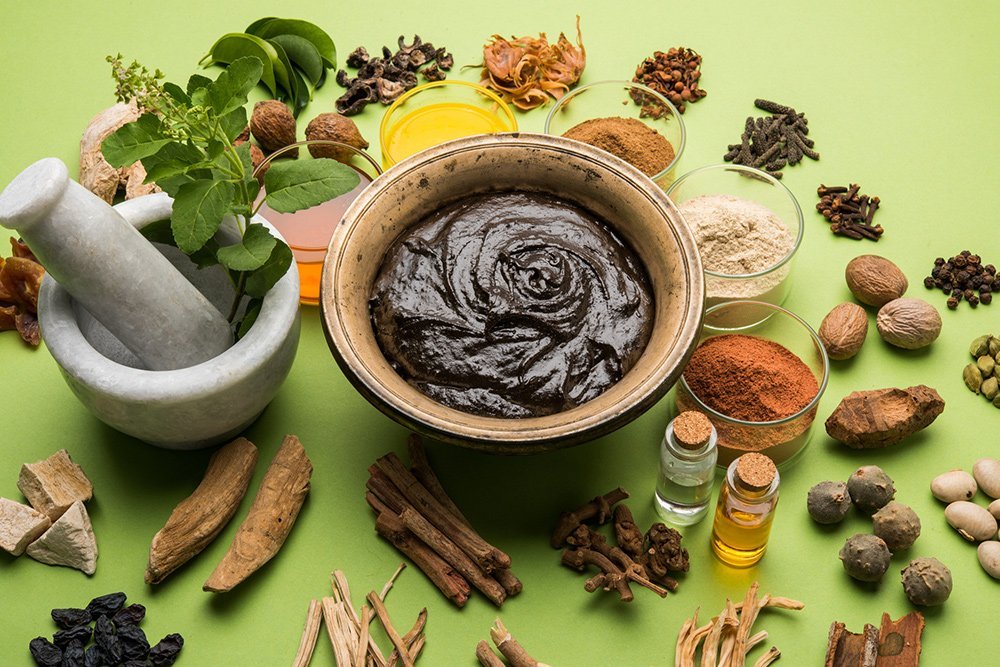
Ayurvedic Solutions for Acne and Pimples: Traditional Wisdom for Clearer Skin
Ayurvedic Acne Care: Natural Approaches and Safe Skincare Insights
Explore Ayurvedic approaches for managing acne and pimples, including key herbs, daily routines, and healthy lifestyle tips supported by traditional practice.
Acne and pimples are common skin concerns that affect people of all ages. The search for gentle, balanced solutions often leads many to explore Ayurvedic approaches rooted in centuries of traditional Indian medicine. Instead of focusing on quick fixes or miracle cures, Ayurveda emphasizes mindful routines, natural ingredients, and addressing the underlying balance of the body and mind. This guide provides a clear, evidence-aligned introduction to Ayurvedic perspectives on acne, helping you make informed choices about skin health.
What Are Acne and Pimples?
Acne, including pimples and blackheads, is a skin condition that occurs when oil glands in the skin produce excess sebum. When this combines with dead skin cells, it can block hair follicles, leading to inflammation, swelling, and breakouts. Acne may appear on the face, back, chest, and shoulders, and is particularly common during adolescence but can affect people of any age.
Why Does Acne Matter for Health and Wellbeing?
Although acne is often seen as a superficial concern, its impact can go beyond appearance. Persistent breakouts may lower self-esteem, cause anxiety, and even lead to scarring if not managed thoughtfully. Addressing acne early and responsibly supports both skin health and emotional wellbeing.
How Ayurveda Understands Skin Health and Acne
Ayurveda views health as the balance of three doshas—Vata, Pitta, and Kapha—which represent different mind-body energies. Acne (sometimes referred to as “Yuvan Pidika” in Ayurveda) is generally thought to be linked to an excess of Pitta dosha, which is associated with heat, oiliness, and inflammation.
From an Ayurvedic lens, acne can result from:
– Imbalance of Pitta dosha, leading to heat and inflammation in the skin
– Inefficient digestion, causing toxin (ama) buildup
– Poor dietary and lifestyle habits that aggravate bodily imbalances
– Stress and insufficient sleep, affecting overall dosha harmony
It is important to note that while these concepts come from traditional Ayurvedic theory, they are not the same as modern dermatological explanations and should be seen as complementary, not a replacement for evidence-based medical advice.
Key Ayurvedic Herbs and Ingredients Traditionally Used for Acne
Ayurveda often uses plant-based solutions to help support skin clarity. While individual responses vary and evidence is limited, the following herbs are commonly mentioned in traditional texts and modern wellness discussions:
– Neem (Azadirachta indica): Known for its cooling and cleansing properties, neem is used in face masks, cleansers, or as a paste to gently soothe the skin.
– Turmeric (Curcuma longa): Recognized for its anti-inflammatory qualities, turmeric is sometimes applied to the skin or included in diets in small amounts.
– Manjistha (Rubia cordifolia): Traditionally valued for its potential to purify blood and support balanced skin.
– Tulsi (Holy Basil): Used internally and externally, tulsi is believed to help balance the body and may support skin resilience.
– Aloe Vera: Soothing and hydrating, aloe is commonly applied as a gel to calm mild irritation.
If considering any herbal preparations, it is essential to choose quality sources and consult a qualified practitioner—especially in case of sensitive skin or ongoing health issues.
Simple Ayurvedic Skincare and Lifestyle Practices
Traditional Ayurvedic self-care routines focus on prevention, gentle cleansing, and supporting overall wellbeing. Here are some commonly recommended, balanced practices:
Daily Skin Care
– Use a mild, natural cleanser: Cleanse gently in the morning and evening to remove oil and dirt without over-drying.
– Avoid harsh scrubbing: Gentle patting preserves the skin barrier.
– Try natural masks: Simple masks using ingredients like sandalwood, neem powder, or tulsi may offer a mild, soothing effect. Always do a patch test.
Dietary Tips
– Favor fresh fruits and vegetables: These are believed to cool the system and reduce internal heat.
– Limit oily, spicy, and processed foods: These are thought in Ayurveda to aggravate Pitta dosha and worsen inflammation.
– Drink adequate water: Hydration supports skin clarity.
– Use spices like turmeric and coriander in moderation as part of a balanced diet.
Lifestyle Habits
– Manage stress: Practice calming activities such as gentle yoga, meditation, or breathing exercises.
– Ensure enough sleep: Rest is important for skin renewal.
– Maintain routine: Regular meal and sleep patterns support digestive and overall health in Ayurveda.
Remember, responses to these practices may vary, and what works for one person may not work for another.
Limitations and Precautions
While many Ayurvedic practices are gentle, not all are supported by large scientific studies. Some natural ingredients may cause allergic reactions or irritation, especially for sensitive skin. If you experience discomfort or worsening symptoms, stop use immediately.
Medical Disclaimer: This article provides educational information for general wellness. It does not replace professional medical advice, diagnosis, or treatment. For persistent or severe skin conditions, or before starting any new regimen, consult a dermatologist or qualified healthcare professional.
When to See a Healthcare Professional
Consider seeking medical advice if:
– Acne is severe, painful, or persistent
– You develop scars or discoloration
– Over-the-counter or home routines do not help
– You have underlying health conditions
A dermatologist can help confirm the type of acne and recommend options tailored to your skin.
Common Questions About Ayurvedic Acne Solutions
What does Ayurveda say causes acne and pimples?
Ayurveda connects acne mainly with an imbalance of the Pitta dosha, which relates to heat, inflammation, and oil production in the body. Digestive health, diet, and stress are also considered important factors in Ayurvedic theory.
Can Ayurvedic herbs cure acne permanently?
There is no guaranteed or permanent cure for acne in any system of medicine. Some Ayurvedic herbs may support skin health, but outcomes vary and more scientific research is needed. Safe use and appropriate expectations are important.
Are home remedies from Ayurveda safe for everyone?
Not always. Some natural substances may irritate sensitive skin or interact with existing health conditions. It is safest to consult a qualified practitioner before starting new routines, especially for children, those with allergies, or ongoing skin problems.
How long does it take to notice results with Ayurvedic approaches?
Results can vary depending on skin type, the chosen routine, and individual factors. Ayurvedic approaches typically focus on gradual, holistic changes rather than rapid fixes. Consistency and patience are emphasized.
Can I use Ayurvedic skincare with my regular dermatological treatments?
In some cases, yes, but it is important to inform your healthcare provider about all products and supplements you are using, to avoid interactions and ensure suitable care.
Closing
Understanding both traditional wisdom and modern knowledge can help you approach acne care with balance, patience, and confidence. At medisecret.com, we are committed to providing evidence-aligned information that prioritizes your safety, transparency, and informed choice. Before making changes to your skincare or wellness routines, consider speaking with a healthcare professional for guidance that respects both your needs and your values.