Natural Remedies for Respiratory Health in Ayurveda: A Balanced Guide
Respiratory issues—from everyday coughs to seasonal congestion—affect people of all ages and backgrounds. In search of gentler, holistic support, many turn to Ayurveda. This ancient Indian healing system offers insights into breathing, self-care, and herbal traditions. But how do these approaches fit into modern wellness? Can home remedies from Ayurveda help you breathe easier—and what should you be aware of as a health-conscious reader?
Understanding Ayurveda’s Approach to Respiratory Health
Ayurveda views respiratory health as deeply tied to balance in both mind and body. The system describes life in terms of three energies, or doshas: Vata (movement), Pitta (transformation), and Kapha (structure). According to Ayurvedic philosophy, an imbalance—especially increased Kapha—can lead to congestion, cough, and a sense of heaviness in the chest or sinuses.
Ayurvedic practices aim to restore natural harmony through diet, gentle exercises, mindfulness, and herbal supports. These methods may offer comfort, promote relaxation, and support daily well-being but are not a replacement for formal medical care where needed.
Why Respiratory Well-Being Matters
Healthy lungs and clear airways enable the body to take in oxygen, expel waste gases, and support immune function. Disruptions—whether due to allergies, pollution, colds, or seasonal changes—can affect energy levels, focus, and general vitality. Caring for respiratory health helps support your body’s resilience throughout the year.
Common Causes and Contributors to Respiratory Discomfort
Several factors influence how you breathe and how your respiratory system responds to stress:
– Sudden weather changes or temperature extremes
– Airborne allergens (dust, pollen)
– Air pollution, smoke, or environmental irritants
– Unhealthy eating or lack of hydration
– Ongoing stress or poor sleep
– Pre-existing respiratory conditions (such as asthma or bronchitis)
Recognizing and understanding these influences can help inform day-to-day choices.
Traditional Ayurvedic Practices for Respiratory Support
Ayurveda’s approach combines lifestyle, dietary, and herbal guidance. Below are some commonly practiced methods:
1. Gentle Breathing Exercises (Pranayama)
Easy-to-learn breathing techniques form the foundation of Ayurvedic self-care:
– Alternate Nostril Breathing (Nadi Shodhana) may help calm the mind and support balanced airflow through the nostrils.
– Simple diaphragmatic (belly) breathing can help relax the body, especially during mild congestion or stress.
These practices should always be performed within personal comfort limits and adapted for age or health status.
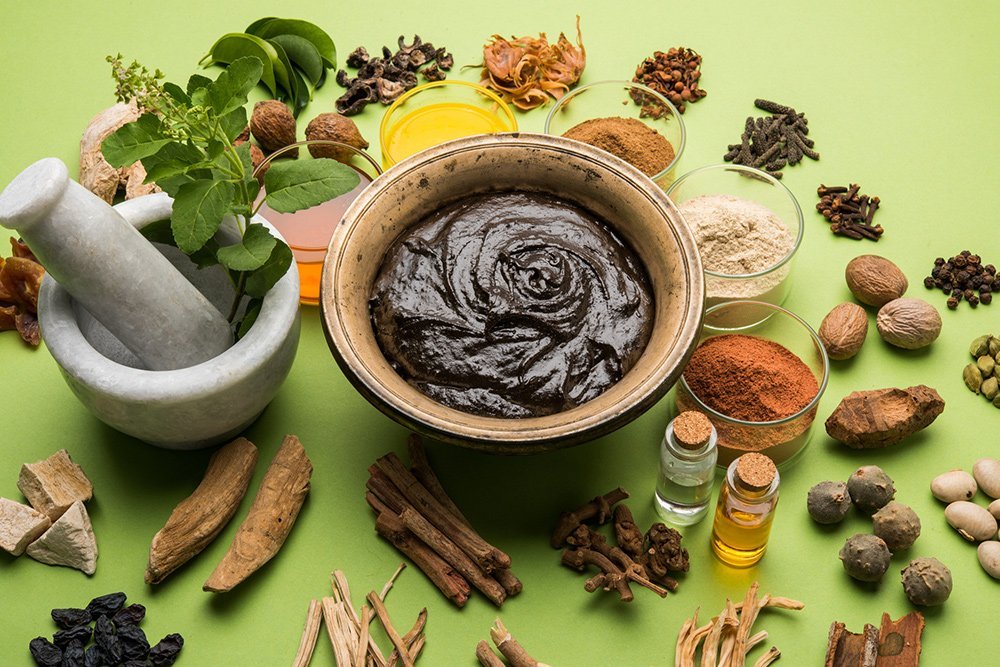
2. Herbal Ingredients Traditionally Used in Ayurveda
Certain plants have a long history of use in Ayurvedic respiratory routines:
– Tulsi (Holy Basil): Revered for its calming, aromatic properties. Typically consumed as tea or in warm infusions for comfort.
– Ginger: Often included in warm drinks, ginger is thought to support digestion and ease mild throat irritation.
– Mulethi (Licorice Root): Traditionally used for soothing the throat and supporting voice clarity.
– Turmeric: Known for its versatile presence in Indian kitchens, turmeric is valued for general well-being in Ayurveda.
These herbs are usually enjoyed as part of teas, decoctions, or in simple home recipes such as warm spiced milk. Anyone considering herbal supplements should consult qualified healthcare professionals, as herbs may interact with medications or be unsuitable for certain individuals.
3. Dietary Guidance
An Ayurvedic-leaning diet for respiratory care typically recommends:
– Warm, freshly prepared foods for easier digestion
– Avoiding excess dairy if prone to congestion
– Including lighter grains (like rice and barley) and seasonal fruits
– Drinking warm water and herbal teas throughout the day
Food choices can be tailored according to individual needs, body constitution, and local climate.
4. Home Habits for Respiratory Well-Being
– Gargling with warm salt water: This approach can help maintain throat comfort during weather changes.
– Steam inhalation with natural herbs: Carefully supervised steam inhalation (for instance, with tulsi or eucalyptus leaves) may temporarily ease mild nasal stuffiness.
– Mindful rest and proper sleep: Allowing time for adequate rest gives the body a chance to recover and helps maintain natural defense mechanisms.
Responsible Use and Safety Considerations
Natural remedies can be supportive but must be used responsibly:
– These methods do not replace professional care in cases of severe or persistent symptoms.
– Some Ayurvedic herbs may not be appropriate for young children, pregnant or breastfeeding individuals, or those with pre-existing health conditions.
– Homemade remedies should be hygienically prepared, and any ingredients or practices that cause discomfort should be discontinued.
If you notice:
– Shortness of breath
– High fever
– Severe or prolonged cough
– Chest pain
– Worsening symptoms
Please seek medical attention promptly. Natural approaches may complement, but should never delay, necessary medical interventions.
When to Consult a Healthcare Professional
Professional evaluation is recommended:
– If breathing issues persist or worsen,
– When symptoms disrupt daily life or sleep,
– If you have underlying medical conditions (asthma, chronic lung disease, etc.),
– Before adding new herbs or supplements to your usual care, especially if you regularly take medication.
Ayurveda and modern medicine can coexist; open discussions with your healthcare team support informed, safe choices.
FAQ
What are the benefits of using Ayurvedic herbs for respiratory health?
Ayurvedic herbs are used traditionally to support comfort and well-being. Some herbs, like tulsi and ginger, are said to promote throat and chest comfort. Scientific studies on their effectiveness are limited, and benefits tend to be mild and supportive. Herbal remedies should not replace medical treatment when needed.
Can I use Ayurveda remedies alongside my prescribed medications?
Some Ayurvedic approaches, such as dietary adjustments and breathing exercises, can often be safely included with medical care. However, herbs may interact with prescription medications or medical conditions. Always consult your doctor before starting any new herbal remedy.
Are Ayurvedic remedies suitable for children and older adults?
Some simple dietary and lifestyle practices may be suitable for individuals of all ages, but children, older adults, and those with health conditions need special caution with herbal remedies. Consult a qualified practitioner for age-appropriate advice.
How long does it take to notice results from Ayurvedic practices?
The effects of Ayurvedic methods are usually gradual and mild. Benefits, if any, depend on individual constitution, the nature of the issue, and consistent practice. There is no guarantee of results, and acute symptoms should be evaluated by a medical professional.
What if my symptoms don’t improve with natural remedies?
If symptoms persist, worsen, or interfere with your daily life, it is important to consult a healthcare provider. Natural remedies can be supportive but are not replacements for professional evaluation and treatment in significant respiratory illness.
Closing paragraph
Caring for your respiratory health can feel overwhelming, but balanced, informed choices make a real difference. Ayurveda offers gentle options for self-care, centered around daily habits, mindful breathing, and kitchen remedies. While these traditions can be comforting, they are most valuable when paired with personal awareness and professional guidance when needed. At medisecret.com, we believe in respectful, trustworthy health education that empowers you to make thoughtful choices for yourself and your loved ones.