Managing PCOS with Ayurvedic Medicine: Traditional Approaches to Hormonal Health
Managing PCOS: Ayurvedic Medicine & Lifestyle Tips
Explore how Ayurvedic medicine guides the management of PCOS, with herbal remedies, diet, and lifestyle strategies for hormonal balance.
Polycystic Ovary Syndrome (PCOS) is a common condition that affects many women—often leading to questions about holistic and supportive ways to find balance. If you have been diagnosed with PCOS, or are curious about managing symptoms naturally, Ayurveda offers an ancient, whole-body approach you may want to explore. While it should never replace medical advice, understanding Ayurvedic principles can be a supportive step toward feeling empowered in your health journey.
Understanding PCOS: What Is It?
PCOS is a hormonal condition characterized by irregular or absent periods, increased androgen (male hormone) levels, and the presence of multiple small ovarian cysts. It often leads to symptoms such as irregular cycles, unwanted hair growth, acne, weight changes, and sometimes challenges with fertility. Beyond reproductive health, PCOS is linked to insulin resistance, increased risk for type 2 diabetes, and may impact mental and emotional wellbeing.
Why Addressing PCOS Matters for Overall Health
Managing PCOS is important not only for menstrual regularity but also for long-term health. Hormonal imbalances can influence metabolism, skin health, mood, and even heart and bone health over time. Early and ongoing care helps in managing symptoms and reducing the risk of associated complications.
Contributing Factors: What Causes PCOS?
The exact cause of PCOS remains unclear, but it is believed that a combination of genetic, lifestyle, and environmental factors play a role. Key contributors include:
– Insulin resistance
– Inflammation
– Family history of PCOS or diabetes
– Hormonal imbalances
Ayurvedic Perspective on PCOS
Ayurveda, a traditional system of medicine from India, views health as a dynamic balance between mind, body, and environment. In Ayurveda, PCOS is often described as an imbalance in doshas—primarily Kapha (linked with mucus, heaviness, and fluid retention), but also involving Vata and Pitta in some cases.
From an Ayurvedic standpoint, PCOS is seen as a result of poor digestive fire (agni), accumulation of toxins (ama), and disturbed reproductive system functioning. The Ayurvedic goal is to restore balance, enhance digestion, and support the body’s natural healing capabilities.
Ayurvedic Approaches for Managing PCOS
1. Herbal Support
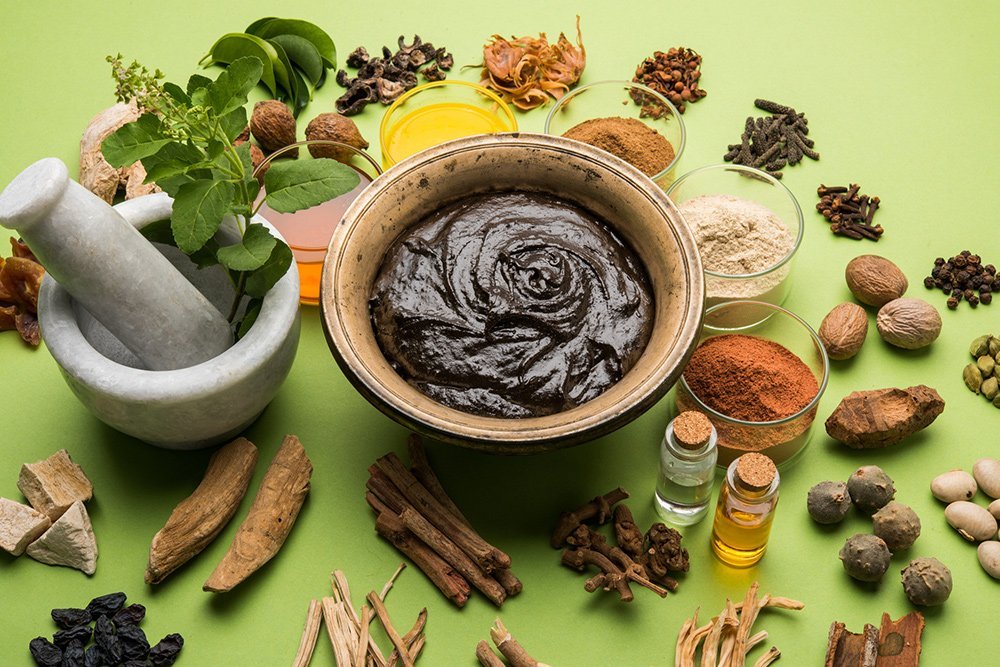
Ayurveda uses a variety of herbs, traditionally believed to support hormonal health and metabolism. Commonly cited options include:
– Ashoka (Saraca asoca): Traditionally reputed to support uterine health
– Shatavari (Asparagus racemosus): Often used to support reproductive balance
– Lodhra (Symplocos racemosa): Traditionally associated with managing menstrual problems
– Triphala: A blend used for gut health and detoxification
– Cinnamon (Dalchini): Sometimes used as a gentle metabolic support
While these herbs are widely referenced in Ayurvedic texts, scientific evidence is still evolving. Not all herbs are suitable for everyone; professional guidance is important before use.
2. Diet and Nutrition
According to Ayurveda and modern medicine alike, dietary choices play a significant role in managing PCOS.
– Favor whole, seasonal foods such as fresh vegetables, fruits, legumes, whole grains, and healthy fats
– Minimize processed foods, excessive sugar, and refined carbohydrates to help balance blood sugar
– Include warming spices like turmeric, ginger, cumin, and fenugreek to support digestion
– Eat regular, mindful meals and avoid overeating
Some Ayurvedic practitioners recommend individualized diets based on your unique constitution (prakriti) and imbalances.
3. Lifestyle and Daily Routines (Dinacharya)
Daily self-care routines are central in Ayurveda.
– Establish consistent sleep and wake times
– Engage in gentle exercise like yoga, walking, or swimming
– Practice stress-reducing activities: meditation, breathing exercises (pranayama), mindfulness
– Maintain good hydration and regular meal times
4. Managing Weight and Physical Activity
Weight management can be both a goal and a challenge for those with PCOS. Ayurveda recommends movement suited to your energy and constitution. Even moderate physical activity, performed regularly, can support insulin sensitivity and hormonal health.
5. Menstrual Cycle Awareness
Tracking your cycles—whether regular or not—can help you notice any changes or patterns related to your symptoms. Ayurveda emphasizes tuning in to your body’s signals and adjusting self-care routines accordingly.
Safety Considerations and When to Seek Medical Advice
While Ayurveda can offer complementary lifestyle strategies, it is not a substitute for medical diagnosis or treatment. Some herbal products may interact with medications or may not be suitable during pregnancy, while breastfeeding, or when managing other health conditions.
See a healthcare provider if you:
– Experience severe or worsening symptoms (such as persistent pain, heavy bleeding, or extreme irregularity)
– Notice significant mood changes
– Are struggling with fertility or planning a pregnancy
– Wish to start or stop any supplements or herbal products
Always discuss any new approaches with a qualified doctor or Ayurvedic practitioner, especially if you are already receiving care for PCOS or related issues.
Practical Steps for Integrating Ayurvedic Wisdom
If you’re considering Ayurvedic support for PCOS, a few grounded steps can help:
– Use food as a foundation: Focus on a balanced, minimally processed diet
– Prioritize rest and stress reduction: Quality sleep and relaxation matter as much as nutrition
– Choose gentle movement you enjoy
– Consult qualified practitioners—combine the best of modern medicine and traditional wisdom
Remember, there is no single approach that works for everyone. Personalization and consistency are key, alongside evidence-based medical care.
FAQ
What are the main symptoms of PCOS?
Common symptoms include irregular or missed periods, excessive hair growth (often on the face or body), acne, weight changes, and in some cases, trouble with fertility.
Can Ayurveda cure PCOS completely?
There is no known cure for PCOS in any medical system. Ayurveda may help manage symptoms and support overall wellbeing—often as part of a broader lifestyle approach in coordination with medical care.
Are Ayurvedic herbs safe for everyone with PCOS?
Not all herbs are suitable for every individual. Some may interact with medications or be contraindicated with certain health conditions. Always consult a healthcare professional before starting any supplement.
How long does it take to see results from Ayurveda for PCOS?
The timeframe varies widely and depends on individual factors like symptom severity, adherence to routines, and other health considerations. Gradual lifestyle adjustments are recommended, with regular follow-up with healthcare providers.
Can I combine Ayurvedic and conventional medicine for PCOS?
Many people use Ayurveda as a complementary approach to conventional treatment. Collaboration between your doctor and an experienced Ayurvedic practitioner can ensure safe and coordinated care.
What lifestyle changes support PCOS management, according to Ayurveda?
Regular meal times, balanced nutrition, adequate sleep, gentle physical activity, and stress reduction are frequently emphasized as foundational supports.
At medisecret.com, our priority is your health and peace of mind. We are committed to providing clear, balanced, and trustworthy information so you can take informed steps toward wellbeing. Ayurveda offers thoughtful lifestyle guidance—but decisions about your health should always be personal, informed, and made in partnership with your healthcare provider.