Ayurvedic Practices for Healthy Teeth and Gums: How Traditional Wisdom Supports Oral Care
Ayurvedic practices for oral health | Oil pulling, herbal rinses, and dietary tips for healthy teeth and gums
Discover Ayurvedic methods for healthy teeth and gums. Learn how oil pulling, herbal rinses, and mindful eating can promote oral hygiene alongside regular dental care.
Ayurvedic Practices for Healthy Teeth and Gums
Caring for your teeth and gums is part of a healthy daily routine, but with so much information out there, it’s natural to wonder: Can traditional methods like Ayurveda really help support oral health? Ayurveda, India’s ancient system of wellness, offers thoughtful approaches that aim to complement—not replace—modern dental care. This article explores some well-known Ayurvedic practices for promoting healthy teeth and gums, including oil pulling, herbal rinses, and dietary habits, and explains their role in a balanced oral hygiene routine.
What is Ayurveda and How Does it View Oral Health?
Ayurveda is a system of health developed in India over thousands of years. It focuses on balancing the body, mind, and environment to support ongoing wellness. According to classical Ayurvedic texts, oral health is deeply connected to overall health. Ayurveda describes the mouth as the doorway to the body’s health and encourages daily oral care rituals, known as Dinacharya, to keep teeth and gums in good condition.
Why Oral Health Matters in Ayurveda and Modern Medicine
Practitioners of Ayurveda and modern medicine agree: Healthy teeth and gums are essential for overall wellbeing. Problems in the mouth—such as gum disease and tooth decay—have been linked to concerns like diabetes, heart disease, and even digestive issues. Preventive oral care, including mindful lifestyle practices and regular dental check-ups, helps lower the risk of these complications.
Ayurvedic Practices for a Healthy Mouth
Oil Pulling (Kavala or Gandusha)
Oil pulling is one of the most widely recognized Ayurvedic oral care techniques. It involves swishing a natural oil, typically sesame or coconut oil, in the mouth for several minutes and then spitting it out.
Purpose: Traditional Ayurvedic texts suggest oil pulling helps clear away impurities and maintain moisture in the mouth. In modern times, it’s thought to help loosen debris and promote a feeling of freshness.
What science says: Some small studies and anecdotal reports suggest oil pulling can reduce bad breath and help manage plaque, though it should not replace brushing or flossing.
How to try it: Swish 1–2 teaspoons of pure, food-grade oil in your mouth gently for about 5–10 minutes, then spit it into a bin (not the sink). Rinse your mouth with water afterwards. Practice this in the morning, before breakfast.
Herbal Mouth Rinses and Powders
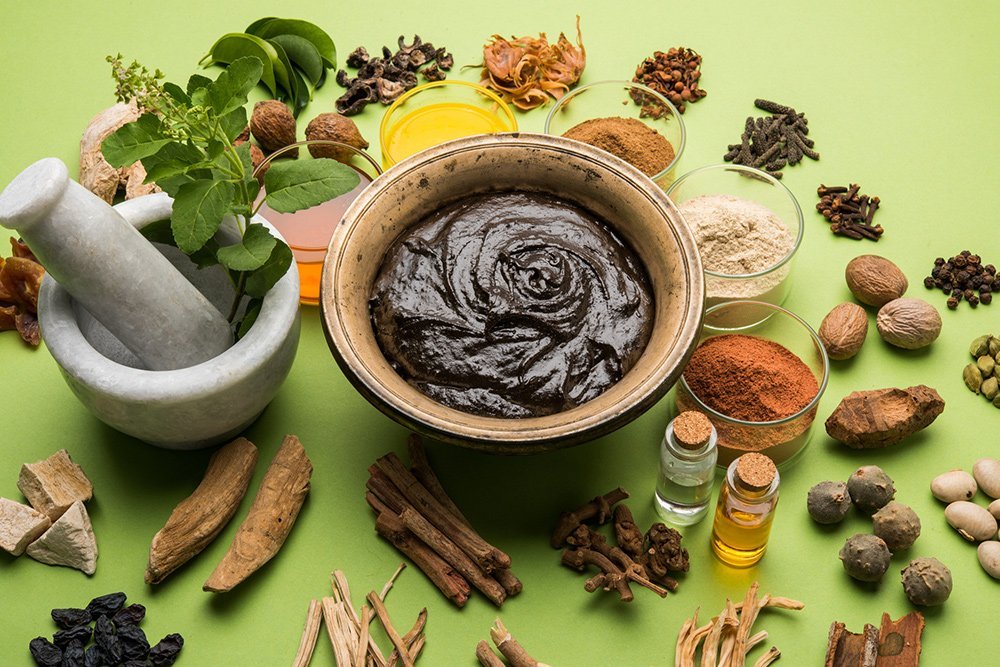
Ayurvedic routines often include rinsing the mouth with herbal decoctions or using tooth powders made from plant ingredients like neem, clove, babool, or licorice. These herbs have reputations for soothing gums and supporting oral cleanliness.
Purpose: Herbs such as neem (Azadirachta indica) are traditionally valued for their cleansing properties. Clove and licorice are believed to offer comfort for sensitive gums.
Modern view: While individual herbs have shown some potential antimicrobial and anti-inflammatory effects in laboratory studies, their use in oral care should be gentle and should not replace toothpaste or recommended dental products.
How to try: Some use a mild herbal rinse (prepared by steeping herbs in cooled, boiled water) instead of, or after, brushing. Always ensure any products or plants used are safe and free of contaminants.
Tongue Cleaning (Jihwa Prakshalana)
Daily tongue cleaning is emphasized in Ayurveda. Using a tongue scraper (traditionally made of copper or stainless steel), this routine aims to remove buildup on the tongue.
Purpose: It is thought to support fresher breath and enhance taste sensitivity.
How to try: After brushing, gently scrape your tongue from back to front, rinsing the scraper after every stroke.
Dietary Tips from Ayurveda for Oral Health
Ayurvedic wisdom highlights that what you eat and drink has a powerful effect on oral health. Here are some traditional recommendations:
Eat a balanced diet: Favor fresh, whole foods over processed or excessively sugary snacks.
Stay hydrated: Drinking plenty of water, especially after meals, may help reduce food debris in the mouth.
Limit sticky or very sour foods: These can cling to teeth or increase enamel wear if consumed often.
Eat crunchy fruits and vegetables: Foods like apples and carrots may help stimulate gums and support a cleaner mouth when chewed thoroughly.
Common Signs of Poor Oral Health
Recognizing early signs can help you take action. Watch for:
Persistent bad breath
Bleeding gums or pain when brushing
Sensitivity to cold, hot, or sweet foods
Swelling or sores in the mouth
Loose teeth or receding gums
If you notice these symptoms, it’s best to consult a dentist or qualified healthcare provider for advice.
Ayurveda and Modern Dental Care: A Complementary Approach
Ayurvedic oral care practices are meant to support—not substitute—modern dental hygiene. Regular brushing with fluoride toothpaste, flossing, and professional dental check-ups remain the foundations of oral health according to medical consensus. Traditional methods can be viewed as gentle additions to your daily routine but should be practiced safely and responsibly.
When to Consult a Healthcare Professional
Most Ayurvedic routines for oral care are intended for preventive use in healthy individuals. However, if you experience ongoing pain, swelling, bleeding, or any changes in your teeth or gums, see a dentist promptly. Relying solely on traditional remedies to treat dental problems is not advised.
Limitations and Precautions
The benefits of Ayurvedic oral care are rooted in a holistic philosophy and supported gently by emerging research. However, not all herbal or traditional remedies have been scientifically tested, and some may cause irritation or allergies for sensitive individuals. Always use clean, food-grade products and avoid swallowing oils or herbal rinses.
Frequently Asked Questions
Is oil pulling safe for everyone?
Oil pulling is generally considered safe for most healthy adults when practiced moderately. People with allergies or swallowing difficulties should avoid it. Always spit oil into a bin, not the sink.
Can Ayurvedic herbs replace toothpaste or mouthwash?
No. Herbs like neem or clove can complement, but not substitute, regular toothpaste or dentist-recommended products. Use them as gentle additions, not alternatives.
How often should you clean your tongue?
Once daily, typically in the morning after brushing, is enough for most people. Avoid scraping too hard, which can irritate the tongue.
What foods support healthy teeth and gums according to Ayurveda?
Ayurveda values a balanced diet with fresh fruits, vegetables, and foods rich in natural fiber and moisture. Crunchy and water-rich foods are especially favored.
What if I have dental problems already?
Ayurvedic routines are preventive, not curative. If you have tooth pain, gum bleeding, or swelling, consult a dentist or healthcare professional without delay.
When should children try these practices?
Children should always be supervised. Oil pulling and herbal rinses may not be suitable for very young kids due to the risk of swallowing. Consult a pediatric dentist or doctor for age-appropriate recommendations.
At medisecret.com, our goal is to offer trustworthy, balanced guidance rooted in both traditional wisdom and up-to-date science. Practicing gentle, mindful oral care routines can be a positive part of your daily wellness, especially when combined with evidence-based dental habits. Remember, the best care is always informed, responsible, and focused on your long-term health.