Title
Ayurvedic Remedies for Sinus Health: Herbs, Routines, and Safety
Search title
Ayurvedic Remedies for Sinus Health and Safety Tips
Search description
Learn about Ayurvedic remedies for sinus health, including traditional herbs, routines, lifestyle practices, limitations, and safety guidance.
Ayurvedic Remedies for Sinus Health: What to Know
Blocked nose, facial pressure, postnasal drip, and recurring congestion can affect sleep, concentration, and daily comfort. Many people explore Ayurvedic remedies for sinus health alongside standard medical care. Ayurveda, a traditional system of Indian medicine, includes herbs, diet, breathing practices, oil applications, and cleansing routines that are traditionally used to support respiratory wellness.
Some practices may help people feel more comfortable, particularly when symptoms are mild or linked to dryness, seasonal allergies, or a common cold. However, traditional use is not the same as proven medical effectiveness. Sinus symptoms can have several causes, and persistent or severe symptoms may require evaluation by a qualified healthcare professional.
This guide explains commonly discussed Ayurvedic approaches, what is known about their limitations, and how to use complementary wellness practices responsibly.
What are sinus problems?
The sinuses are air-filled spaces around the nose, cheeks, eyes, and forehead. They produce mucus and connect with the nasal passages. When the lining of the nose and sinuses becomes swollen, mucus may not drain normally.
Sinus-related symptoms can include:
– Nasal congestion or a blocked nose
– Runny nose or thick nasal discharge
– Facial pressure or discomfort
– Headache
– Reduced sense of smell
– Cough caused by mucus draining into the throat
– Sore throat or unpleasant breath
These symptoms may occur with viral infections, allergies, irritants, nasal polyps, or sinusitis. A cold often improves within several days, while symptoms that persist, worsen, or repeatedly return should be assessed medically.
Why sinus health matters
Healthy nasal passages help warm, filter, and moisten the air you breathe. Ongoing congestion can make sleep difficult and may contribute to mouth breathing, fatigue, dry throat, and reduced comfort.
Good sinus care is not only about treating symptoms. It also involves reducing exposure to triggers, supporting adequate hydration, managing allergies, and recognising when professional care is needed.
Common Ayurvedic remedies for sinus health
Ayurvedic practices vary by individual constitution, symptoms, and practitioner. The following approaches are commonly discussed, but their safety and suitability can differ.
1. Saline nasal cleansing
Nasal irrigation with sterile saline is used in both modern clinical care and some Ayurvedic routines, including jala neti. It may help wash away mucus, dust, and allergens and improve nasal comfort for some people.
Safety is essential:
– Use distilled, sterile, or previously boiled and cooled water.
– Use a clean, properly designed irrigation device.
– Follow the product instructions for preparing the saline solution.
– Clean and air-dry the device after every use.
– Stop if you experience pain, bleeding, ear pressure, or worsening symptoms.
Using untreated tap water in the nose can introduce harmful organisms. Do not share irrigation devices. People with frequent nosebleeds, recent nasal surgery, severe blockage, or significant ear problems should ask a healthcare professional before trying nasal irrigation.
2. Steam inhalation
Warm, moist air may temporarily ease the feeling of nasal dryness or congestion. Some Ayurvedic routines involve steam from plain water or water infused with herbs.
Steam does not reliably treat the underlying cause of sinusitis, and it can cause serious burns, especially in children. Avoid leaning over bowls of boiling water. A warm shower or a room humidifier used according to instructions is generally safer.
Essential oils should not be added casually. They can irritate the nose and lungs, trigger headaches or allergies, and may be dangerous if swallowed. They should never be used inside the nose.
3. Traditional herbs and spices
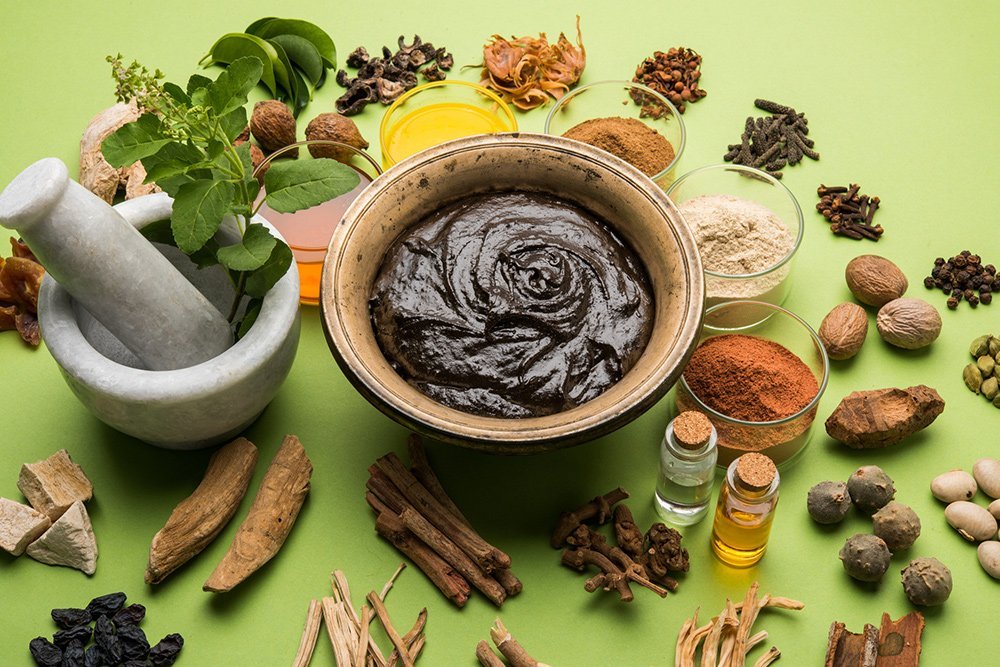
Ayurvedic preparations may include herbs and spices such as turmeric, ginger, tulsi, black pepper, or licorice. These ingredients are traditionally associated with respiratory comfort, digestion, or general wellness.
Current evidence for using these herbs specifically to prevent or treat sinus infections is limited and varies by ingredient. A food-based amount used in ordinary cooking is different from a concentrated extract or supplement.
Before taking herbal products, consider:
– Possible interactions with medicines
– Pregnancy or breastfeeding
– Liver, kidney, blood pressure, or bleeding conditions
– Allergies and digestive side effects
– Unclear product quality or contamination
Some imported or poorly regulated products have been found to contain undeclared pharmaceutical ingredients or heavy metals. Choose products with transparent labelling and discuss concentrated supplements with a qualified healthcare professional.
4. Warm fluids and a balanced diet
Warm water, soups, and caffeine-free drinks may support hydration and soothe a dry or irritated throat. A balanced diet containing fruits, vegetables, protein, and whole grains supports general health, although no single food can cure sinusitis.
Very spicy foods may temporarily increase nasal drainage in some people, but they can worsen reflux or irritation in others. Notice how your body responds rather than assuming that a particular food is universally beneficial.
5. Breathing and relaxation practices
Gentle breathing exercises, yoga, and relaxation practices may support stress management and improve awareness of breathing patterns. They should be comfortable and should not involve forceful breathing when the nose is severely blocked.
These practices do not replace treatment for asthma, serious nasal obstruction, infection, or other medical conditions. Stop if you feel dizzy, short of breath, or unwell.
Daily habits that may support sinus wellness
Simple routines can reduce irritation and support nasal comfort:
– Drink enough fluids for your individual needs.
– Wash hands regularly, especially during cold and flu seasons.
– Avoid cigarette smoke, vaping aerosols, and heavily fragranced products.
– Keep indoor spaces reasonably clean and reduce dust exposure.
– Manage known allergies with professional guidance.
– Use a humidifier only when needed and clean it regularly to prevent mould.
– Sleep adequately and avoid prolonged exposure to very dry air.
– Do not insert cotton swabs, oils, or herbal pastes deep into the nose.
What Ayurvedic remedies cannot reliably do
Traditional remedies may provide comfort, but they should not be assumed to eliminate bacterial infections, correct structural problems, remove nasal polyps, or prevent complications. Antibiotics are not appropriate for every sinus complaint, but they may be considered by a clinician in selected situations. Similarly, surgery may be relevant for certain structural or chronic conditions.
Avoid stopping prescribed treatment or delaying medical assessment in favour of a home remedy. Complementary practices are safest when used to support, rather than replace, evidence-based care.
When to consult a healthcare professional
Seek medical advice if symptoms:
– Last longer than about 10 days without improvement
– Improve and then become noticeably worse
– Recur frequently
– Interfere with sleep, work, or normal activities
– Include high fever, significant facial pain, or swelling
– Occur with vision changes, severe headache, confusion, or neck stiffness
– Follow a weakened immune system or recent surgery
Children, older adults, pregnant people, and those with chronic respiratory or immune conditions may need personalised guidance sooner.
Frequently asked questions
Can Ayurvedic remedies cure sinusitis?
There is not enough reliable evidence to say that Ayurvedic remedies cure sinusitis. Some approaches, such as safe saline irrigation or warm fluids, may temporarily improve comfort. Persistent or severe symptoms need appropriate medical evaluation.
Is jala neti safe for sinus congestion?
Nasal irrigation can be safe when performed correctly with sterile, distilled, or boiled and cooled water and a clean device. Using untreated water or contaminated equipment can be dangerous. Ask a healthcare professional before using it if you have significant blockage, ear problems, frequent nosebleeds, or recent nasal surgery.
Can turmeric treat a sinus infection?
Turmeric is widely used as a food and traditional ingredient, but evidence that turmeric treats sinus infections is limited. Concentrated supplements may interact with medicines or cause side effects. Discuss them with a healthcare professional, especially if you take blood thinners or have gallbladder or digestive problems.
Is steam inhalation good for blocked sinuses?
Steam may provide short-term comfort, but it does not reliably treat the cause of sinus symptoms. Bowls of boiling water can cause burns. A warm shower may be a safer alternative, and children should not be exposed to hot steam devices without close supervision.
What should I avoid putting inside my nose?
Avoid undiluted essential oils, herbal pastes, concentrated oils, and unsterile substances. These may irritate or injure the nasal lining and can be harmful if inhaled or swallowed. Use only products specifically designed and labelled for nasal use.
Can Ayurvedic remedies be used with prescribed medicines?
Sometimes, but not automatically. Herbal supplements can affect blood pressure, blood sugar, bleeding risk, sedation, and how medicines are processed. Tell your doctor or pharmacist about all herbs and supplements you use.
At medisecret.com, our aim is to provide clear, balanced health education that respects both traditional wellness practices and modern medical knowledge. Ayurvedic remedies may have a place in supportive self-care, but safe choices depend on the cause of symptoms, product quality, and individual health needs. When symptoms persist or raise concern, professional medical guidance remains the most reliable next step.