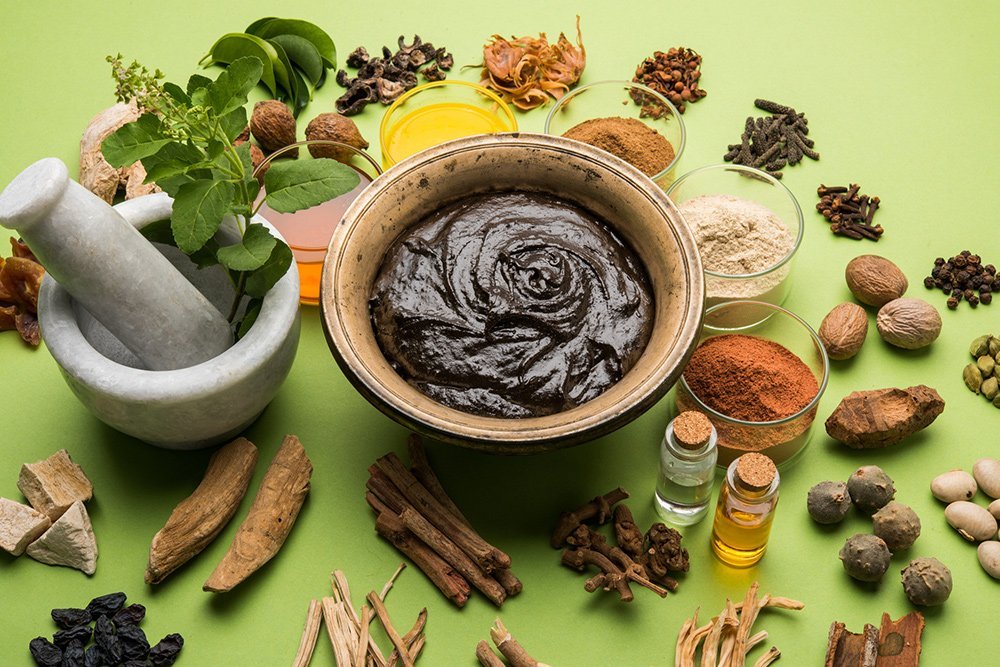
Ayurvedic Adaptogens: How Traditional Herbs May Support Your Stress Response
Ayurvedic Adaptogens: Natural Support for Stress Management
Explore how Ayurvedic adaptogens—herbs from traditional Indian medicine—may help the body adapt to everyday stress, using science-backed, balanced guidance.
Introduction
In the fast-paced routine of modern life, stress touches nearly everyone—whether it’s a looming deadline, family pressures, or the daily rush. It’s natural to look for ways to build resilience and feel more balanced. Ayurvedic medicine, a centuries-old wellness system from India, highlights a group of herbs known as adaptogens. These plants are traditionally used to help promote a healthy response to physical, emotional, and environmental challenges. But can Ayurvedic adaptogens truly help us stress-proof our lives, and how can they be used safely? Here’s what you should know, based on current evidence.
What Are Ayurvedic Adaptogens?
Adaptogens are natural substances that are thought to help the body “adapt” or adjust to various stressors. In Ayurveda, several herbs and roots have been used for generations as general tonics to support health, vitality, and resilience. While the term “adaptogen” is relatively recent, many Ayurvedic botanicals fit this description due to their traditional reputation for balancing mind and body.
Some of the most well-known Ayurvedic adaptogens include:
– Ashwagandha (Withania somnifera): Often called “Indian ginseng,” ashwagandha is a root commonly used in Ayurveda for its so-called rejuvenating properties.
– Tulsi (Holy Basil, Ocimum sanctum): Revered in Indian households, tulsi is considered a sacred plant and is traditionally believed to help the body adapt to physical and mental stress.
– Brahmi (Bacopa monnieri): This creeping herb has a long history in Ayurveda for supporting cognitive function and mental clarity.
– Shatavari (Asparagus racemosus): Traditionally used to support reproductive and hormonal health, shatavari is sometimes recommended for overall vitality.
Why Do Adaptogens Matter for Everyday Health?
When we experience stress, the body enters a state called “fight-or-flight,” releasing hormones like cortisol and adrenaline. While this response is normal and can be protective in the short term, chronic stress may have negative effects on sleep, immunity, digestion, and even mood.
Ayurvedic adaptogens are believed to influence the body’s stress response in several ways:
– Promoting a sense of calm and steady energy, rather than overstimulation
– Supporting mental clarity and focus
– Helping maintain balance across body systems, especially under everyday pressures
Modern studies on some of these herbs, especially ashwagandha and tulsi, suggest there may be benefits for mood, stress, and certain aspects of immune function—but research is still evolving, and results vary between individuals.
Common Signs of Chronic Stress
Recognizing the signs of stress is the first step toward making positive changes. Common symptoms include:
– Fatigue and low energy
– Difficulty sleeping
– Irritability or anxious feelings
– Changes in appetite or digestion
– Muscle tension, headaches, or body aches
– Difficulty concentrating
If these signs persist or interfere with daily life, it’s important to consider broader lifestyle approaches and consult a healthcare professional.
How Can Ayurvedic Adaptogens Be Used Responsibly?
Incorporating adaptogenic herbs into your routine should always be done thoughtfully, with respect for both tradition and modern science. Here are some practical guidelines:
1. Look for High-Quality Sources
Choose adaptogen supplements or herbal blends from reputable brands that share full ingredient lists, sourcing, and quality testing. In India and globally, the herbal supplement market is large and regulations may vary.
2. Start Low, Go Slow
If you decide to try an Ayurvedic adaptogen, start with a low dose and monitor how you feel. Not all herbs suit everyone—some people may experience digestive upset, headaches, or other mild effects.
3. Whole-Lifestyle Approach
Adaptogens are not a substitute for healthy basics: a balanced diet, physical activity, adequate rest, and supportive relationships all play vital roles in stress management.
4. Individual Considerations and Safety
Pregnant women, breastfeeding mothers, people on prescription medications, or those with chronic illnesses should consult a healthcare provider before starting any new herbal supplement. Certain herbs may interact with medications or underlying conditions.
5. Focus on Food First
Some adaptogens, like tulsi, are consumed as teas or in cooking, which may offer gentle support within the context of a varied diet.
Limitations, Risks, and What the Science Says
While Ayurvedic adaptogens appear safe for most healthy adults when taken in reasonable doses, scientific research is still catching up to centuries of traditional use. Not all promised benefits are guaranteed or proven, and long-term safety for some herbs has not been fully established.
Possible risks and uncertainties include:
– Variations in product quality, which can affect safety and effectiveness
– Limited high-quality human studies for many adaptogens
– Potential side effects (e.g., digestive discomfort, changes in blood pressure)
– Interaction with other medications or medical conditions
Responsible Wellness Decisions
Adaptogens can be one piece of a larger, evidence-informed approach to well-being. Lifestyle adjustments—like exercise, mindfulness, balanced nutrition, and good sleep hygiene—remain the most established and accessible strategies for building stress resilience. Herbs may offer gentle, supplementary support but are not a “fix-all.”
When to See a Healthcare Professional
Seek medical guidance if:
– You have ongoing or severe stress symptoms that impact daily life
– You’re considering adaptogens alongside prescription medications
– You have a chronic health condition, or are pregnant or breastfeeding
– You experience allergies, new symptoms, or side effects after trying a herbal supplement
Seeking support early helps ensure safety and the most personalized approach to your health.
Frequently Asked Questions
What does “adaptogen” actually mean in Ayurveda?
The term “adaptogen” is modern, but Ayurveda has long described certain herbs as helping the body maintain balance and adapt to stress. These are often referred to as “rasayana” or rejuvenative botanicals.
Can I use adaptogens to replace antidepressants or anxiety medication?
No. Ayurvedic adaptogens are not substitutes for prescription medicines or professional mental health care. If you have concerns about mood or anxiety, consult a healthcare provider before making any changes.
How long does it take to notice effects from adaptogens?
Every person responds differently. Some may notice subtle benefits—like steadier energy or better sleep—within a few weeks, while others may not perceive changes. Consistency, dosage, and individual health all play roles.
Are there side effects or risks to using Ayurvedic herbs?
Most Ayurvedic adaptogens are considered safe in moderate, traditional doses for healthy adults. However, side effects—like digestive upset or mild headache—can occur, and some herbs may interact with medications. Discuss new supplements with a doctor, especially if you have health conditions.
Is it safe to combine multiple adaptogens or herbal blends?
Combining herbs can increase the risk of interactions or side effects, especially with concentrated supplements. Start with one at a time and track your body’s response. Always seek advice from a qualified healthcare provider.
Is it better to take adaptogens as teas, powders, or capsules?
This depends on personal preference, tradition, and availability. Whole-herb teas or culinary uses (like adding tulsi leaves to dishes) may offer gentler support. Powders and capsules offer convenience but should come from reputable sources.
Closing
Ayurvedic adaptogens have a rich heritage in supporting the body’s natural resilience. While they may offer gentle support within a modern stress-management plan, the best results come from combining traditional wisdom with informed, balanced lifestyle choices. At medisecret.com, you’ll always find transparent, research-based guidance—empowering you to make choices that support your long-term health and peace of mind.