Ayurvedic Detoxification Techniques for a Healthy Body: A Practical Guide
Ayurvedic Detoxification: Techniques for Lasting Health
Discover safe at-home Ayurvedic detox methods for resetting your body naturally. Learn about herbal cleanses, massage, and gentle dietary shifts.
Ayurvedic detoxification has become a topic of growing interest for individuals seeking natural ways to support their overall health and well-being. With busy lifestyles, processed foods, and daily stressors, many wonder if ancient wisdom can help refresh the body and promote a balanced state. But what are these techniques? Are they safe to try at home, and who should consider them? This article offers a clear, evidence-aligned overview of Ayurvedic detox practices, their purpose, benefits, cautions, and the steps to incorporate them mindfully into your routine.
What is Ayurvedic Detoxification?
Ayurveda, one of the world’s oldest holistic health systems, originated in India over 3,000 years ago. Its approach centers on balancing the three doshas—Vata, Pitta, and Kapha—which represent different energies in the body and mind. According to Ayurvedic philosophy, imbalances in these doshas, along with the accumulation of toxins (referred to as ama), can affect overall health.
Detoxification in Ayurveda involves techniques and lifestyle adjustments aimed at gently supporting the body’s natural ability to eliminate waste and restore balance, not forceful “cleansing” or quick fixes. Unlike many modern detox trends, Ayurvedic detox focuses on long-term, sustainable health, using herbal remedies, nutrition, mild activity, and relaxation.
Why is Ayurvedic Detoxification Important for Health?
The Ayurvedic perspective holds that toxin buildup from undigested food, environmental pollutants, or ongoing stress can disturb digestion, energy, and immunity. Though “toxins” in this context do not always align with Western medical definitions, the underlying principle—supporting natural elimination processes—has merit.
Research supports many foundational elements of Ayurveda: a diet rich in whole foods, stress reduction, adequate hydration, and simple physical activity all contribute to better metabolic health, digestion, and well-being. While scientific studies on specific Ayurvedic detox methods remain limited, practices that promote mindful eating, self-care, and relaxation are widely recognized for their role in healthy living.
Common Ayurvedic Detoxification Techniques
These techniques are designed to be gentle and can be adapted to suit modern lifestyles. Each should be approached with caution, especially if you have underlying health conditions.
1. Herbal Cleanses
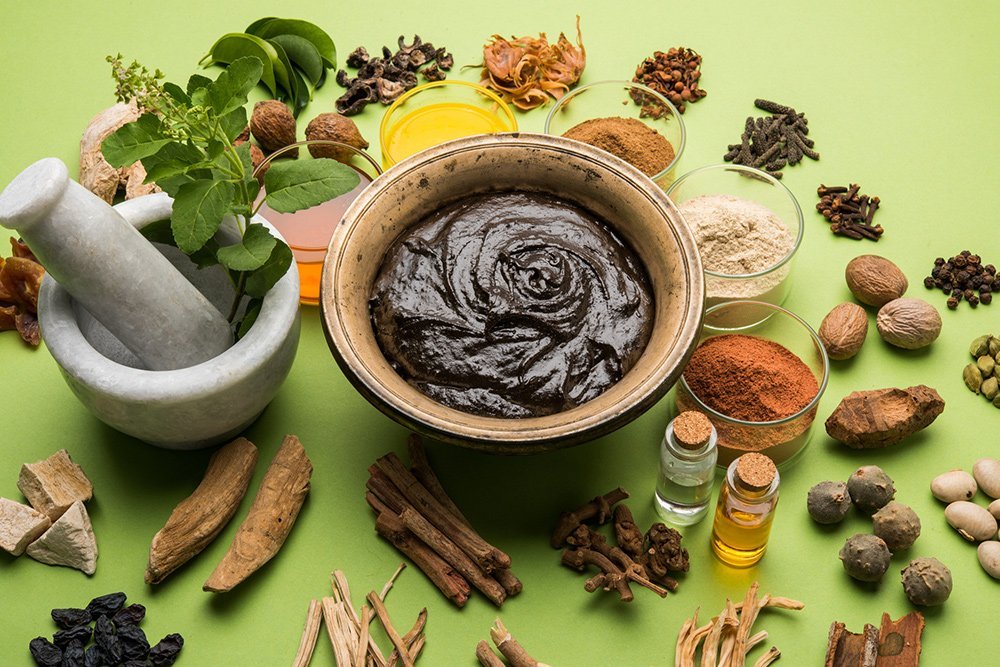
Ayurveda frequently incorporates herbs like triphala, neem, or turmeric to support digestion and elimination. Triphala, for example, is a widely used blend of three fruits, traditionally taken to promote gentle bowel function and balance. Always consult a healthcare provider before starting herbal regimens, particularly if you’re pregnant, nursing, or on medication.
2. Abhyanga (Self-Massage)
Abhyanga involves massaging the body with warm oil—often sesame or coconut oil—chosen according to your dosha. This technique is believed to help stimulate lymphatic flow, improve circulation, and relax the body. It can be performed daily or a few times a week, preferably in the morning before showering.
Steps for self-massage:
– Warm a small bowl of oil (test to ensure safe temperature)
– Massage from the scalp to the soles of your feet, using gentle, circular motions on joints and long strokes on limbs
– Allow the oil to absorb for 10–20 minutes before washing it off with warm water
3. Dietary Adjustments
Diet plays a crucial role in Ayurvedic detox. The focus is on whole, seasonal foods, freshly prepared meals, and mindful eating. Periodic mono-diets, such as eating only kitchari (a preparation of rice and lentils), are commonly recommended for a short period to rest the digestive system.
Simple dietary guidelines:
– Incorporate fresh fruits and vegetables
– Favor light, warm, easily digestible meals
– Avoid processed foods, excess caffeine, and heavy, fried items
– Drink warm water or herbal teas throughout the day
4. Gentle Fasting or Meal Spacing
Ayurveda often recommends intermittent fasting or spacing meals to give the digestive system time to process and rest. This does not mean prolonged or extreme fasting; rather, it’s about avoiding late-night eating, allowing several hours between meals, and listening to natural hunger cues.
5. Yoga and Breathwork (Pranayama)
Mild physical activity and controlled breathing exercises are integral to Ayurvedic detox. Yoga poses (asanas) support digestion, circulation, and relaxation. Simple techniques like alternate nostril breathing can be calming and grounding.
What Are the Signs You Could Benefit from a Gentle Detox?
Ayurveda suggests that sluggish digestion, frequent bloating, low energy, coated tongue, or difficulty focusing may signal a need to “reset” the body. In Western medicine, these could also reflect common lifestyle issues such as poor dietary choices, inadequate rest, or hydration.
Causes of Toxin Accumulation (Ama) According to Ayurveda
– Overeating or eating heavy meals late at night
– Chronic stress and poor sleep
– Highly processed and refined foods
– Environmental pollutants
– Sedentary habits
Prevention and Ongoing Care
The Ayurvedic philosophy emphasizes prevention over intervention. You don’t need drastic cleanses to support your health—simple, daily rituals often go a long way.
Low-risk daily habits for balanced digestion:
– Eat at regular intervals
– Chew food thoroughly and eat mindfully
– Include a variety of colors and tastes on your plate
– Prioritize rest, hydration, and time outdoors
Safety and When to Seek Medical Guidance
Not every Ayurvedic detox method is right for everyone. Individuals with chronic conditions, pregnant or lactating women, children, and older adults should avoid unsupervised detoxification and always seek medical advice beforehand.
Remember:
– Extreme cleanses, prolonged fasting, or untested herbal supplements may pose health risks
– If you experience dizziness, fatigue, severe digestive discomfort, or worsening of existing symptoms, stop the practice and consult a healthcare professional
– Ayurvedic cleansing should complement—never replace—evidence-based medical care
Ethical Note: This information is for educational purposes only and should not be used as a substitute for professional medical advice or treatment.
Frequently Asked Questions
1. Can Ayurvedic detoxification replace conventional medical treatment?
No. Ayurvedic detox is a complementary approach meant to support a healthy lifestyle, not a substitute for medical diagnosis, treatment, or prescribed medication.
2. How long should I follow Ayurvedic cleansing practices?
Duration depends on the technique and individual needs. Mild daily practices, like dietary adjustments and self-massage, are often safe for regular use. More intensive detoxes should only be done with professional guidance.
3. Are there risks with Ayurvedic herbs?
Some herbs may interact with medications or cause side effects. Always consult a qualified healthcare provider before starting any herbal supplement, especially if you have existing medical conditions.
4. What are the most important lifestyle habits to support natural detoxification?
Eating a balanced diet, staying hydrated, practicing mindfulness, and engaging in regular, moderate physical activity are foundational for supporting the body’s cleansing processes.
5. Is Ayurvedic detox suitable for everyone?
Not necessarily. People with certain health conditions, children, elderly individuals, and pregnant or breastfeeding women should avoid unsupervised detox methods.
6. How do I know if my body needs a detox?
The desire for a “cleanse” often comes after feeling sluggish or out of balance. However, consistent healthy habits are the most effective way to care for your body, and drastic detoxes are rarely necessary outside of medically-indicated situations.
At medisecret.com, our mission is to offer accurate, balanced education that empowers you to make informed health decisions. We’re committed to patient-first content rooted in research and respect for diverse wellness traditions. If you’re considering an Ayurvedic detox, remember to proceed thoughtfully—prioritizing safety, balance, and open communication with your healthcare providers at every step.