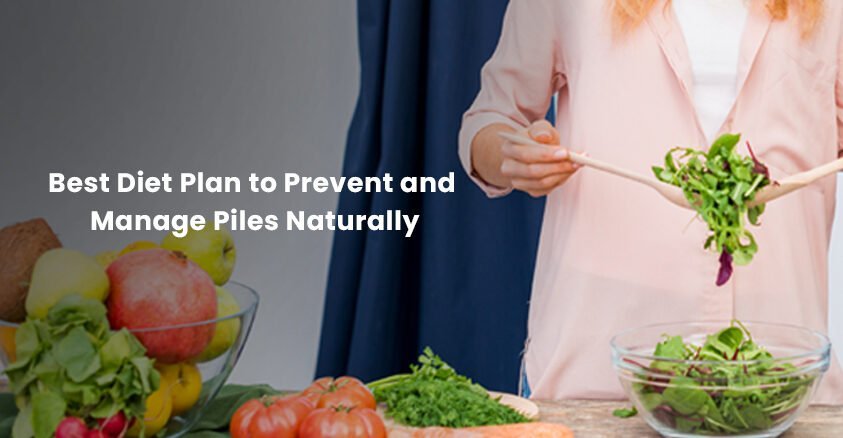
Ayurvedic Diet for Preventing and Managing Piles: Evidence-Informed Dietary Guidance
Ayurvedic Diet for Piles: Gentle Nutrition for Digestive Comfort
Discover evidence-based Ayurvedic diet tips to help prevent and ease piles, with a focus on fiber, hydration, and digestive comfort.
Piles, also known as hemorrhoids, are a common concern affecting many people worldwide. Characterized by swollen blood vessels in the rectal region, piles can lead to discomfort, pain, itching, and occasional bleeding. While modern medicine offers several treatment options, many individuals seek gentle and natural ways to maintain digestive comfort and prevent recurrence. Ayurveda, the traditional system of medicine from India, emphasizes dietary choices and lifestyle practices to support overall gut health, which can play a role in both preventing and managing piles.
This article explores how an Ayurvedic diet may help, providing balanced, factual, and reader-friendly insights.
What Are Piles and Why Does Diet Matter?
Piles are clusters of inflamed veins around the anus or lower rectum. They can cause symptoms such as:
– Anal discomfort or pain, especially when sitting
– Swelling, lumps, or itching near the anus
– Bright red bleeding during bowel movements
One of the leading causes of piles is chronic constipation and straining during bowel movements. Diet plays a crucial role because what you eat affects stool consistency, digestive regularity, and overall gut health. Adopting dietary strategies that promote soft, regular bowel movements—and prevent irritation—can have a significant impact on both prevention and symptom management.
Ayurveda’s Approach to Digestive Wellness
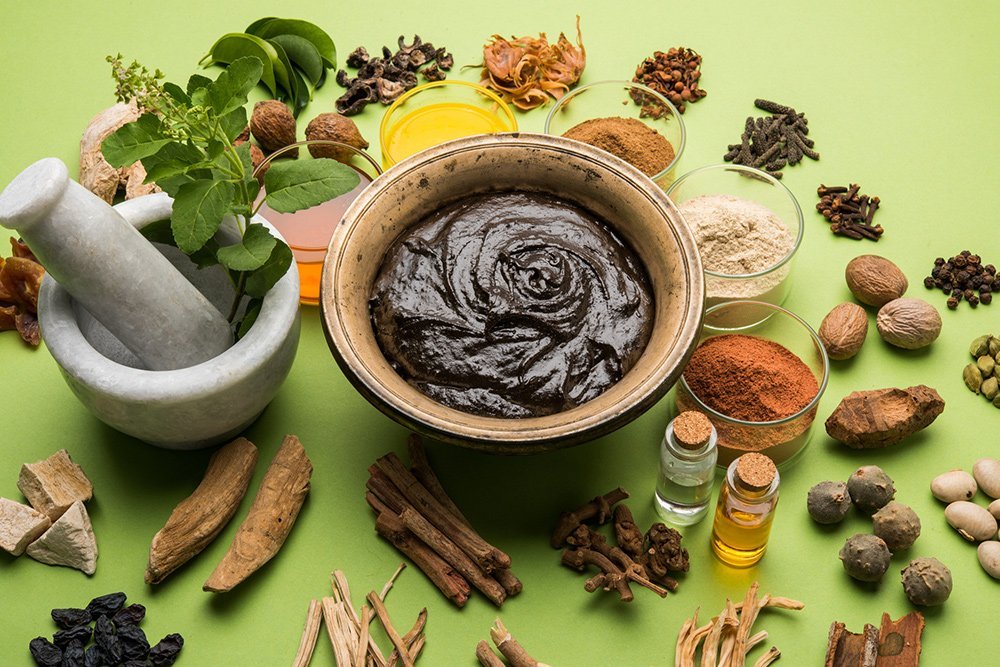
Ayurvedic medicine teaches that digestive health (agni, or digestive fire) underlies overall vitality. According to Ayurvedic principles, an improper diet or irregular eating can disturb the digestive system, leading to conditions like piles. The Ayurvedic approach to piles (known as Arsha) focuses on:
– Optimizing digestion and avoiding foods that aggravate heat or dryness
– Balancing the body’s energies (doshas), particularly by addressing imbalances in Pitta (heat) and Vata (dryness or air)
– Favoring whole, gentle, and nourishing foods
Fiber-Rich Foods: The Foundation of Digestive Ease
Modern medicine and Ayurveda both emphasize the importance of fiber for healthy digestion. Dietary fiber adds bulk to stool, making it softer and easier to pass, which can reduce straining and irritation.
Ayurvedic-aligned, fiber-rich foods include:
– Cooked vegetables (bottle gourd, carrots, pumpkin, spinach)
– Whole grains (brown rice, barley, oats)
– Split pulses and lentils (moong dal, masoor dal)
– Ripe fruits (papaya, banana, apples, pears)
– Soaked dried fruits (raisins, figs, dates)
Eating fiber from a variety of sources supports regularity, but Ayurveda recommends cooking foods well and adding gentle spices to enhance digestibility.
Hydration: Softening and Soothing
Adequate hydration is vital for easy bowel movements and overall tissue health. Ayurveda encourages sipping warm or room-temperature water throughout the day, rather than drinking large, cold quantities at once. Proper hydration can:
– Soften stool and ease passage
– Support tissue repair
– Reduce dryness in the digestive tract
Herbal teas such as cumin, coriander, or fennel water are also commonly used in Ayurvedic tradition for their mild digestive support.
Soothe With Spices and Healthy Fats
Certain spices in moderation can be supportive for digestion and comfort when dealing with piles. Traditionally, soothing spices include:
– Cumin
– Coriander
– Fennel
– Turmeric
These can be added sparingly to soups, dals, or vegetable dishes. Ayurveda discourages heavy or excessively spicy foods, as well as deep-fried items, which may aggravate symptoms.
Healthy fats such as small amounts of ghee (clarified butter) or sesame oil not only add flavor but may also have a lubricating effect on the digestive tract, supporting smoother elimination.
Foods to Limit or Avoid
To prevent further irritation, Ayurveda generally recommends minimizing:
– Very spicy, pungent, or oily foods
– Preserved and processed snacks
– Excess caffeine and carbonated drinks
– Non-vegetarian, heavy, or fried dishes
– Dry, raw foods that are difficult to digest
Listening to your body and adjusting your diet according to your response is encouraged, as everyone’s digestive system is unique.
Ayurvedic Meal Timing and Mindful Eating
Beyond what you eat, Ayurveda emphasizes how you eat:
– Have regular mealtimes and avoid skipping meals
– Eat in a peaceful, distraction-free environment
– Chew thoroughly and avoid overeating
Mindful eating habits can support optimal digestion, reduce stress, and prevent habits that worsen piles, such as hurried eating or ignoring the urge to pass stool.
Prevention and Lifestyle Tips
In addition to dietary guidance:
– Try to establish a regular bathroom routine: Respond promptly to the urge to use the restroom
– Include gentle physical activity, such as walking or yoga, in your daily routine
– Avoid prolonged sitting, which can increase rectal pressure
When to Consult a Healthcare Professional
While dietary and lifestyle practices contribute to digestive comfort, persistent or severe symptoms of piles should never be ignored. Seek prompt medical advice if you notice:
– Heavy or ongoing bleeding
– Severe pain or swelling
– Sudden changes in bowel habits
A qualified healthcare provider can provide diagnosis, recommend appropriate treatments, and help rule out other causes for symptoms. The information in this article is for educational purposes and does not replace professional medical advice or care.
FAQ
What is the main cause of piles, according to Ayurveda?
Ayurveda considers an imbalance of digestive energies (often from poor diet, irregular meals, or chronic constipation) as key contributors. Addressing these with gentle, regular eating and suitable foods is encouraged.
Can an Ayurvedic diet alone cure piles?
A suitable diet can help manage mild cases and may prevent worsening, but it does not guarantee a cure. For persistent or severe piles, consult a medical professional for a comprehensive treatment plan.
Which fruits are best for piles relief?
Gentle, ripe, and juicy fruits such as papaya, bananas, apples, and pears are recommended. Eating fruits with their natural fiber—rather than juiced or strained—is generally preferred.
Should I avoid all spices if I have piles?
Not all spices are problematic. Mild spices like cumin, coriander, and fennel, in moderation, can be soothing. Strong, pungent, or hot chili spices may worsen symptoms for some people.
How quickly will an Ayurvedic diet help with piles?
Improvements depend on the individual, severity of symptoms, and consistency of healthy habits. Some may notice better comfort and regularity within days to weeks, but results vary.
Is it safe to follow this advice if I am pregnant or have other health issues?
If you are pregnant, have other digestive conditions, or are on specific medications, always discuss any dietary changes with your healthcare provider to ensure safety and effectiveness.
Choosing Trusted Guidance
Your health journey deserves balanced, respectful, and well-researched information. At medisecret.com, we are committed to providing scientifically responsible resources grounded in both tradition and modern insight. If you have questions or concerns about piles or any digestive issue, seek guidance from a qualified healthcare professional for care tailored to your individual needs.