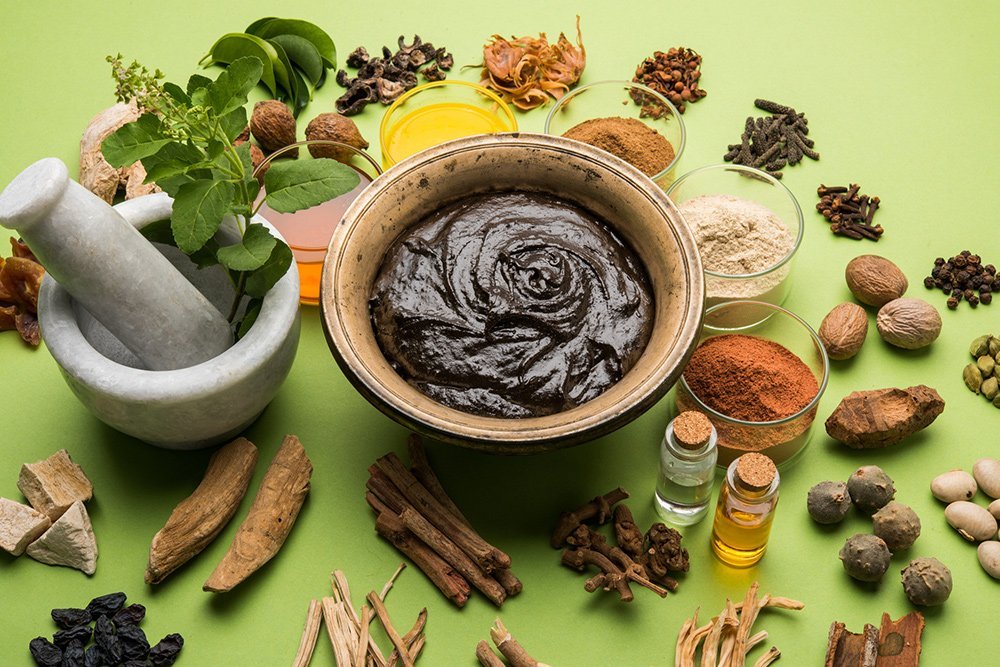
Ayurvedic Herbal Teas for Detoxification: Safe, Evidence-Aligned Guidance
Ayurvedic Herbal Teas for Detox: Traditional Blends, Benefits, and Safe Use
Explore Ayurvedic herbal teas for detoxification—learn about traditional blends, preparation, and safety tips for supporting wellness naturally and responsibly.
Across centuries, Ayurveda has offered holistic approaches to wellness. Among these traditions, herbal teas—known as “kadhas” or “herbal infusions”—play a gentle role in daily routines designed to support the body’s natural balance and detoxification. With growing curiosity about toxin buildup, immunity, and lifestyle-led wellness, many wonder if these herbal teas can contribute meaningfully to health. Here’s what you need to know about Ayurvedic herbal teas for detoxification—what they are, how they may fit into modern wellness, and the precautions to consider for safe use.
Understanding Ayurvedic Herbal Teas and Detoxification
Ayurveda views health as a dynamic balance between mind, body, and environment. “Detoxification” in Ayurveda does not mean quick fixes but emphasizes daily practices—like movement, mindful eating, and herbal infusions—that may reduce the buildup of “ama” (toxins or undigested substances) over time. Ayurvedic herbal teas are decoctions made from roots, leaves, seeds, and spices. Rather than “cleansing” the organs in a medical sense, they may gently support the body’s own eliminative processes, encourage hydration, and soothe digestion.
Why Consider Herbal Teas in Wellness Routines?
While the medical definition of detoxification relates mostly to how the liver and kidneys metabolize and eliminate substances, Ayurveda’s approach is broader, focusing on digestive health, balanced metabolism, and overall harmony. Herbal teas, as part of this routine, may:
– Encourage healthy daily hydration
– Support comfortable digestion
– Provide antioxidants and natural phytonutrients
– Promote mindful self-care rituals
It’s important to note: No herbal tea can “flush out” all toxins or replace medical therapy. Instead, they are considered gentle, supportive tools within larger wellness routines.
Common Ayurvedic Herbal Teas Used for Detoxification
Several time-tested herbal blends are embraced in Ayurveda for their supportive properties. Each blend is crafted with ingredients selected for specific qualities:
1. CCF Tea (Cumin, Coriander, Fennel):
Widely recommended for its digestive and mild detox-supporting actions.
– Cumin seeds: Traditionally believed to promote metabolism and digestion.
– Coriander seeds: Known for their cooling properties and mild diuretic effect.
– Fennel seeds: Used to soothe the digestive tract and support gut comfort.
2. Ginger-Tulsi Tea:
A warming and aromatic blend, especially comforting during seasonal transitions.
– Ginger: Recognized for anti-inflammatory and digestion-supporting effects.
– Tulsi (Holy Basil): Revered in Ayurveda for gentle stress relief and antioxidant support.
3. Triphala Tea:
Made from a trio of fruits—amla, haritaki, bibhitaki—used for digestive regularity.
– Triphala: Popular for promoting elimination and supporting balanced gut health.
4. Dandelion and Turmeric Infusions:
More often found in contemporary Ayurvedic blends.
– Dandelion root: Traditionally valued for liver support.
– Turmeric: Contains curcumin, an antioxidant with anti-inflammatory actions.
Simple Brewing Tips for Ayurvedic Herbal Teas
– Always start with fresh, filtered water.
– For seed-based teas (like CCF), lightly crush the seeds for better flavor.
– Simmer ingredients (not just steep) for 5–15 minutes to extract their full properties.
– Strain and sip warm, ideally between meals.
– Adjust strength to taste and monitor how your body responds.
Is There Scientific Evidence?
Modern research into Ayurvedic herbs is expanding. While some ingredients (like ginger and turmeric) are well-studied for their bioactive compounds, robust clinical evidence specifically on “detoxification” is limited. Most benefits reported in traditional use relate to digestive support, mild metabolic stimulation, and general antioxidant effects. It’s important to rely on evidence-based guidance and view herbal teas as complementary, not a substitute for medical care.
Who Should Be Cautious, and When to Consult a Doctor
Ayurvedic herbal teas are generally gentle, but they may not be suitable for everyone. Consider these precautions:
– If you are pregnant, breastfeeding, or have chronic health conditions (like kidney or liver disease), consult your doctor first.
– Some ingredients (such as licorice, senna, or strong laxative herbs) have specific risks with regular use.
– Children and elderly individuals should use mild blends and always under supervision.
– Discontinue use if you notice allergic reactions or digestive discomfort.
Remember: Any sudden, unexplained symptoms—including persistent digestive upset, fatigue, or pain—should be evaluated by a healthcare professional. Herbal teas are not intended as cures or for treating illness.
Integrating Herbal Teas into a Balanced Lifestyle
Daily wellness in Ayurveda is never about a single remedy. For gentle self-care, combine herbal teas with:
– Nutritious, whole foods
– Regular, comfortable movement (like walking or yoga)
– Consistent sleep and hydration
– Mindful relaxation practices
Avoid overconsumption—herbal teas should complement, not crowd out, balanced meals, medications, or recommended therapies.
Limitations and Responsible Use
– There is no evidence that any herbal tea can “detox” the body in the way some fads claim.
– Effects are usually mild and gradual—avoid expecting immediate or dramatic changes.
– Not all herbs suit every individual; personalization matters.
– Always purchase ingredients from reputable sources to avoid contamination and ensure quality.
FAQ
Can Ayurvedic herbal teas really detoxify my body?
Herbal teas may support the body’s natural digestive and elimination functions but do not “detox” the body in a medical sense. They work best as part of a holistic, healthy lifestyle.
Is it safe to drink these teas every day?
Gentle blends like CCF or ginger-tulsi tea are generally safe for most people in moderation. However, prolonged use of certain herbs or strong detox blends can have side effects. It’s safest to rotate blends and listen to your body.
How soon will I notice any benefits?
Results, if any, are usually subtle and develop over time—like improved hydration or comfort after meals. Herbal teas are not quick fixes; effects vary between individuals.
Are there any interactions with medications?
Some herbs can interact with prescription medications or medical conditions. If you take medication, are pregnant, or have health concerns, consult a healthcare provider before starting any herbal regimen.
Can these teas replace medical detox treatments?
No. Ayurvedic herbal teas cannot replace medical treatments for toxin exposure, liver or kidney health issues, or other medical conditions requiring detoxification.
Soft trust-building closing paragraph
At medisecret.com, we believe that well-informed, responsible choices form the heart of true wellness. Whether you’re exploring Ayurvedic traditions or integrating herbal teas into your day, it’s important to seek balance, listen to your body, and rely on trustworthy, evidence-aligned information. Our resources are here to support your journey, inspiring confidence and clarity at every step.