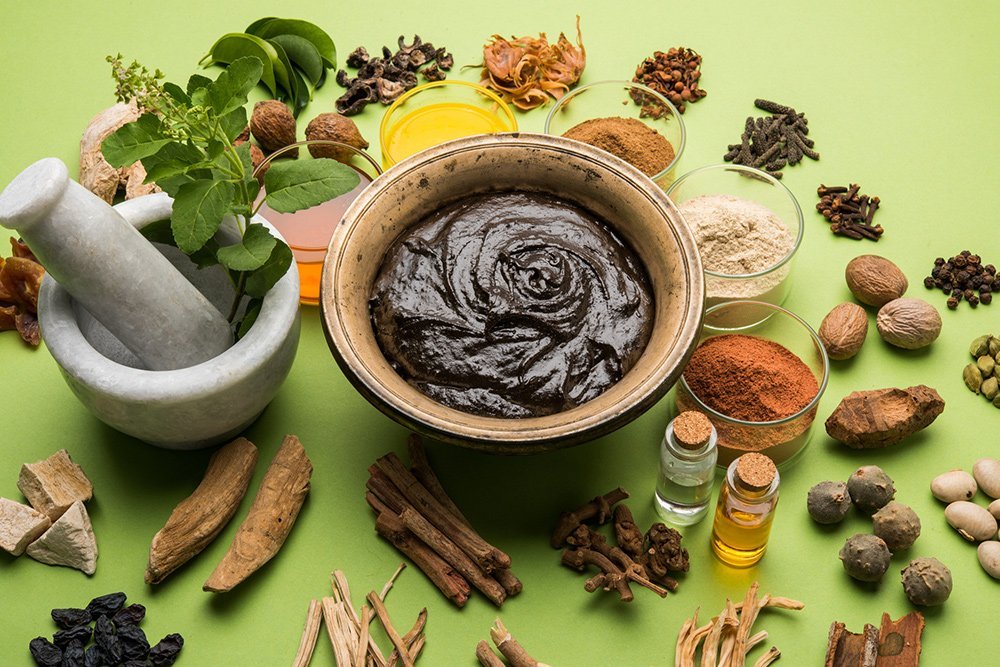
Ayurvedic Herbs for Liver Detoxification: Uses, Evidence and Safety
Page title: Ayurvedic Herbs for Liver Detox: Uses and Safety
Description: Learn how Ayurvedic herbs are traditionally used for liver health, what evidence suggests, and important safety considerations before use.
Ayurvedic Herbs for Liver Detoxification: What to Know
Many people search for Ayurvedic herbs for liver detoxification after periods of rich food, alcohol use, medication, or concerns about fatty liver. The idea of “cleansing” the liver can sound appealing, but it is important to understand what the liver does naturally and where herbal products may have limitations.
The liver already processes nutrients, medicines, alcohol, and substances produced by the body. It does not usually need a detox programme to perform these functions. However, some herbs have long histories of traditional use for digestion, metabolism, or general liver support. Research into their benefits is ongoing, and traditional use does not always prove that an herb can prevent or treat liver disease.
This guide explains commonly discussed Ayurvedic herbs, the available evidence in general terms, and practical safety measures.
What does the liver do?
The liver is a major organ involved in:
• Processing nutrients from food
• Producing bile to support digestion
• Storing certain vitamins and minerals
• Helping regulate blood sugar and cholesterol
• Breaking down alcohol, medicines, and other substances
• Supporting immune and metabolic functions
Liver health can be affected by alcohol, viral hepatitis, obesity, diabetes, certain medicines, inherited conditions, and exposure to harmful chemicals. Fatty liver disease, for example, is commonly associated with metabolic factors such as insulin resistance and excess body weight.
A healthy liver does not require routine detox drinks or herbal cleanses. Balanced nutrition, physical activity, careful alcohol use, and appropriate medical care are generally more important for long-term liver health.
Ayurvedic herbs commonly discussed for liver health
The following herbs are used in Ayurvedic traditions or wellness practices. Their traditional role and modern research should be considered separately.
Kutki
Kutki, also known as Picrorhiza kurroa, has traditionally been used in Ayurveda for digestive and liver-related concerns. Some laboratory and early clinical research has explored its possible effects on inflammation and liver enzymes.
However, evidence remains limited and formulations can vary considerably. The safety of long-term use, particularly at concentrated doses, is not fully established. People with liver disease should not use kutki as a substitute for evaluation or prescribed care.
Bhumyamalaki
Bhumyamalaki is commonly associated with Phyllanthus species and is traditionally used for digestive and liver support. Some studies have investigated related species in the context of viral hepatitis and liver inflammation, but results have not established a reliable treatment for liver disease.
The exact plant species, preparation, and dose can differ between products. This makes it difficult to apply research findings to every supplement sold under a similar name.
Guduchi
Guduchi, or Tinospora cordifolia, is traditionally used to support general wellbeing and immunity. It has also been included in some Ayurvedic preparations promoted for liver health.
Reports of liver injury associated with certain Guduchi products have raised important safety concerns. The risk may relate to the plant itself, contamination, incorrect identification, or the way a product is prepared. Anyone with existing liver problems should be especially cautious and discuss its use with a qualified healthcare professional.
Amla
Amla, or Indian gooseberry, is used traditionally as a food and Ayurvedic ingredient. It contains antioxidant compounds and may form part of a balanced diet.
Although antioxidant activity in laboratory settings does not automatically translate into treatment of liver disease, amla as a food is generally different from highly concentrated extracts. Supplements may have additional ingredients, higher doses, or uncertain quality.
Turmeric
Turmeric contains curcumin, a compound studied for its anti-inflammatory properties. It is widely used as a culinary spice and in traditional medicine.
Some concentrated turmeric or curcumin supplements have been linked to rare cases of liver injury. Products containing enhanced-absorption ingredients, such as piperine, may also affect how medicines are absorbed. Culinary use in ordinary amounts is not the same as taking a high-dose supplement.
Milk thistle
Milk thistle is often discussed alongside Ayurvedic liver-support products, although it is not a classical Ayurvedic herb in the same way as several herbs listed above. Its active compound, silymarin, has been studied for liver conditions.
Research has not consistently shown that milk thistle treats or reverses liver disease. It may also interact with medicines and can cause digestive symptoms or allergic reactions in some people.
Why “liver detox” claims need careful interpretation
The word detoxification is often used broadly in supplement advertising. In medicine, detoxification refers to specific processes by which the body handles substances. A herbal drink cannot necessarily remove toxins, repair liver scarring, or reverse the effects of alcohol or an untreated infection.
Claims deserve caution when a product promises to:
• Cleanse the liver within a few days
• Reverse fatty liver without lifestyle changes
• Cure hepatitis or cirrhosis
• Replace prescribed medicines
• Work for everyone without side effects
Liver disease may progress without obvious symptoms. Relying on a detox product can delay testing and appropriate care.
Possible signs of liver problems
Early liver disease may cause no symptoms. When symptoms occur, they can include:
• Ongoing tiredness
• Loss of appetite or nausea
• Discomfort in the upper right abdomen
• Yellowing of the skin or eyes
• Dark urine or unusually pale stools
• Itching
• Swelling in the legs or abdomen
• Easy bruising or confusion
Yellowing of the skin or eyes, severe abdominal swelling, vomiting blood, black stools, marked confusion, or sudden worsening illness requires prompt medical attention.
How to support liver health safely
For most people, the following habits have stronger support than unproven detox regimens:
• Limit or avoid alcohol, especially if advised by a clinician
• Maintain a weight that supports metabolic health
• Eat a varied diet with vegetables, fruit, pulses, whole grains, and adequate protein
• Be physically active according to your abilities
• Use medicines only as directed
• Avoid combining several supplements without professional guidance
• Choose reputable products with clear ingredient and testing information
• Ask about hepatitis vaccination and testing when relevant
If blood tests show raised liver enzymes, the next step is finding the cause rather than starting a cleanse. A healthcare professional may review alcohol intake, medicines, medical history, infections, and metabolic risk factors.
Who should avoid herbal liver detox products?
Extra caution is needed during pregnancy or breastfeeding, in children, and in people with liver or kidney disease. Professional advice is also important if you take medicines for diabetes, blood pressure, cholesterol, epilepsy, blood clotting, HIV, or other long-term conditions.
Herbal products can contain variable amounts of active ingredients. Some may be contaminated, incorrectly labelled, adulterated with medicines, or affected by poor storage. “Natural” does not always mean safe.
Before using an Ayurvedic herb, share the complete product label with a doctor, pharmacist, or qualified Ayurvedic practitioner who understands potential medicine interactions. Do not stop prescribed treatment to begin an herbal detox.
Frequently asked questions
Are Ayurvedic herbs proven to detox the liver?
There is no strong general evidence that Ayurvedic herbs can detoxify the liver in the way many wellness claims suggest. Some herbs have traditional uses and limited research, but they should not be considered proven treatments for liver disease.
Can herbs reverse fatty liver?
No herbal product should be relied on to reverse fatty liver. Management usually involves addressing factors such as weight, blood sugar, cholesterol, alcohol use, and other causes with professional guidance.
Is turmeric safe for the liver?
Turmeric used as a culinary spice is generally different from concentrated curcumin supplements. Rare liver injuries have been reported with some high-dose products. Speak with a healthcare professional before using concentrated turmeric, particularly if you have liver disease or take medicines.
Can I use herbal detox products with my medicines?
Not always. Herbs may change how medicines work or increase side effects. A pharmacist or doctor should review the ingredients before you combine an herbal product with prescription or over-the-counter medicines.
How can I know whether a liver supplement is safe?
Look for complete ingredient and dosage information, avoid products promising rapid cures, and use manufacturers that provide quality testing. Even then, safety cannot be guaranteed. Professional advice is especially important for people with medical conditions.
At medisecret.com, our aim is to provide clear, balanced health education that respects both traditional practices and modern medical evidence. Herbal products may have a place in some wellness routines, but informed decisions require attention to quality, uncertainty, interactions, and appropriate medical care.