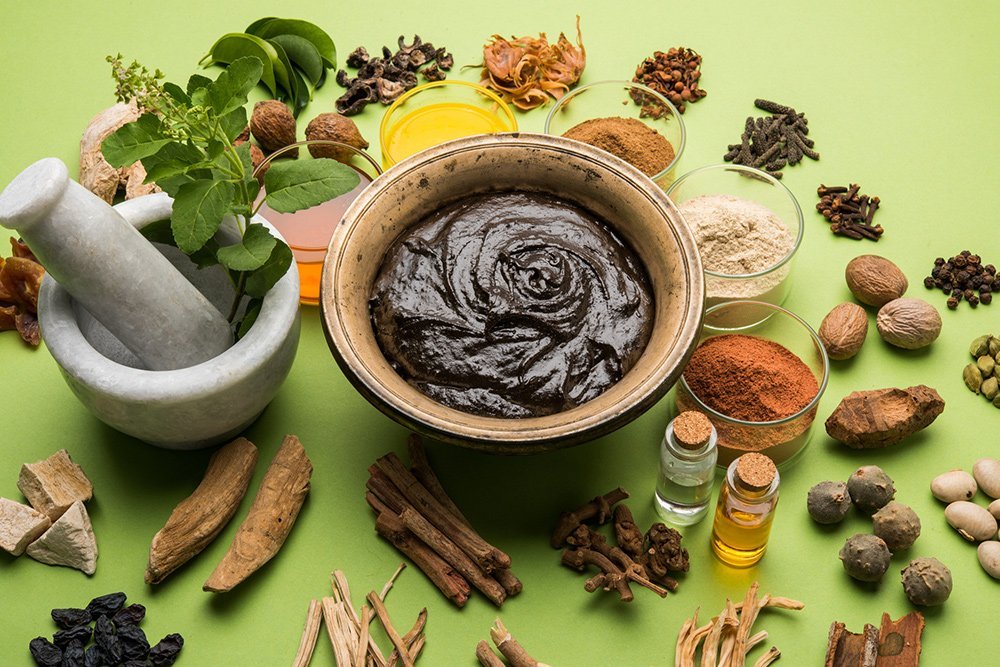
Ayurvedic Herbs for Memory Enhancement: Uses, Evidence, and Safety
Ayurvedic Herbs for Memory: Uses and Safety
Learn what research suggests about Ayurvedic herbs linked with memory and cognitive support, including benefits, limitations, and safety considerations.
Ayurvedic Herbs for Memory Enhancement: What to Know
Many people wonder whether Ayurvedic herbs can support memory, concentration, or mental clarity. This interest is understandable. Occasional forgetfulness can happen with stress, poor sleep, ageing, nutritional problems, medication effects, or other health concerns.
Ayurvedic medicine has traditionally used several herbs for mental wellbeing and cognitive support. Some have been studied in modern research, but the evidence is still developing. Results may vary depending on the herb, preparation, dose, product quality, and an individual’s health.
This article explains commonly discussed Ayurvedic herbs for memory enhancement, what research suggests, and important safety considerations. It is intended for education, not diagnosis or personalised medical advice.
Why memory and cognitive health matter
Memory is part of a wider group of abilities called cognitive functions. These include attention, learning, language, problem-solving, and decision-making. Healthy cognition supports everyday activities such as working, studying, managing finances, communicating, and staying independent.
Memory is influenced by many factors, including:
• Sleep quality and regularity
• Stress, anxiety, or low mood
• Physical activity and general fitness
• Nutrition and hydration
• Alcohol or substance use
• Certain medicines
• Thyroid, vitamin, hormonal, or other medical conditions
• Age-related changes
• Neurological conditions
Because memory changes can have many causes, herbs should not be viewed as a substitute for a proper health assessment when symptoms are persistent, worsening, or disruptive.
Ayurvedic herbs traditionally associated with memory
Bacopa monnieri, commonly called Brahmi
Bacopa monnieri is one of the most researched Ayurvedic herbs for memory and learning. Traditionally, it has been used to support concentration, recall, and mental calmness.
Some small clinical studies suggest that standardised Bacopa extracts may offer modest support for aspects of memory, particularly delayed recall, after regular use over several weeks. However, the evidence is not strong enough to confirm that it prevents dementia, reverses cognitive decline, or improves memory for everyone.
Possible side effects include nausea, abdominal discomfort, loose stools, and changes in appetite. Bacopa may also interact with medicines or supplements that affect thyroid function, heart rate, or the nervous system. People with ongoing health conditions should seek professional guidance before using it.
Centella asiatica, commonly called Gotu kola or Mandukaparni
Gotu kola has a long history in traditional Ayurvedic practice. It is often associated with mental clarity, attention, relaxation, and healthy circulation.
Laboratory and early human research has explored its possible effects on attention, mood, and cognitive performance. At present, the evidence remains limited and does not establish Gotu kola as a proven memory treatment.
The herb may cause stomach upset, headache, dizziness, or drowsiness in some people. Rare liver-related reactions have also been reported with certain Centella products. People with liver disease, those taking sedating medicines, and individuals who are pregnant or breastfeeding should obtain medical advice before considering it.
Convolvulus pluricaulis, commonly called Shankhpushpi
Shankhpushpi is traditionally used in Ayurveda for memory, learning, stress, and sleep. It is available in different forms, including powders, syrups, and extracts.
Although traditional use is extensive, high-quality clinical research in humans is relatively limited. Products may also differ considerably in their ingredients and strength. This makes it difficult to compare results or predict how a particular preparation may affect an individual.
Possible concerns include drowsiness, digestive symptoms, contamination, and interactions with medicines. A qualified healthcare professional can help assess whether it is appropriate in the context of a person’s health and current medicines.
Withania somnifera, commonly called Ashwagandha
Ashwagandha is an Ayurvedic herb commonly used for stress, sleep, and general wellbeing. Since stress and poor sleep can affect concentration and memory, some people consider it a cognitive support herb.
Research has shown potential benefits for stress and sleep in some adults, but evidence for direct memory enhancement is less established. It should not be assumed that reducing stress will automatically prevent or treat a cognitive disorder.
Ashwagandha may cause stomach upset or drowsiness. There have also been uncommon reports of liver injury. It may affect thyroid function, blood sugar, blood pressure, and immune activity, and may interact with medicines. It is generally approached cautiously during pregnancy, breastfeeding, autoimmune illness, thyroid conditions, and liver disease.
What the evidence can and cannot tell us
Research on Ayurvedic herbs for memory often has important limitations. Studies may involve small groups, short follow-up periods, different plant preparations, or varying doses. Some research measures changes in attention or test performance rather than meaningful improvements in everyday memory.
A positive result in one study does not prove that every product containing the same herb will work in the same way. Herbal supplements may vary in plant identity, extraction method, concentration, storage, and contamination risk.
It is also important to distinguish between supporting general mental wellbeing and treating a medical condition. No Ayurvedic herb has been established as a replacement for professional assessment or evidence-based care for dementia, depression, attention disorders, or other neurological conditions.
Safety considerations before using herbal products
Natural does not always mean risk-free. Before taking an Ayurvedic herb, consider the following:
• Check the exact botanical name and ingredients. Common names can refer to different plants.
• Look for transparent labelling, batch information, and independent quality testing where available.
• Avoid products that promise guaranteed memory improvement, reversal of dementia, or rapid results.
• Tell a doctor or pharmacist about all herbs and supplements you use.
• Be especially cautious if you are pregnant, breastfeeding, older, preparing for surgery, or managing a chronic condition.
• Do not combine several cognitive or calming supplements without professional advice.
• Stop use and seek medical help if you develop yellowing of the skin, dark urine, severe abdominal pain, unusual bleeding, rash, breathing difficulty, or significant changes in alertness.
Practical ways to support memory
Evidence-based lifestyle habits often have a broader and more reliable role in cognitive health than any single supplement. Helpful measures may include:
• Maintaining a consistent sleep routine
• Taking regular physical activity suited to your abilities
• Eating a varied diet with vegetables, fruits, whole grains, legumes, nuts, and adequate protein
• Managing blood pressure, blood sugar, and cholesterol with professional support
• Staying socially connected and mentally active
• Reviewing medicines that may cause drowsiness or confusion
• Limiting alcohol and avoiding tobacco
• Using calendars, reminders, lists, and organised routines when needed
When to speak with a healthcare professional
Occasional forgetfulness is common, but seek medical advice if memory problems are persistent, worsening, or interfering with work, relationships, finances, medication use, or daily safety.
Prompt assessment is especially important if confusion develops suddenly or occurs with weakness, speech difficulty, severe headache, fainting, loss of balance, or a recent head injury. These symptoms may require urgent medical attention.
A healthcare professional can review symptoms, sleep, mood, medicines, nutrition, and relevant medical conditions before discussing whether any supplement is suitable.
Frequently asked questions
Can Ayurvedic herbs improve memory?
Some herbs, particularly Bacopa monnieri, have shown modest potential in limited studies. However, evidence is not conclusive, and no herb can guarantee better memory or prevent cognitive disease.
Which Ayurvedic herb is most studied for memory?
Bacopa monnieri, or Brahmi, has been studied more extensively than many other Ayurvedic herbs in relation to memory and learning. The available research still has limitations, and product quality varies.
How long do Ayurvedic herbs take to work?
There is no reliable timeline that applies to all herbs or individuals. Some studies assess effects over several weeks, but personal results may differ. Taking more than the labelled amount does not necessarily improve results and may increase risks.
Are Ayurvedic memory supplements safe?
Safety depends on the specific herb, preparation, dose, product quality, and the person’s health. Some herbs can interact with medicines or affect the liver, thyroid, blood pressure, blood sugar, or alertness.
Can children or older adults take these herbs?
Not without appropriate professional advice. Children, older adults, and people taking several medicines may be more vulnerable to side effects and interactions.
Should I use herbs instead of seeing a doctor for memory loss?
No. Memory changes can sometimes reflect a treatable medical, emotional, nutritional, or medication-related issue. Supplements should not delay a professional assessment.
A thoughtful approach to cognitive wellbeing
Ayurvedic herbs may be part of a personal wellness discussion, but they should be considered with realistic expectations and careful attention to safety. Strong foundations—sleep, movement, balanced nutrition, social connection, and management of health conditions—remain central to long-term cognitive wellbeing. Medisecret.com supports clear, research-informed health education so readers can ask better questions and make cautious, informed decisions with qualified healthcare professionals.