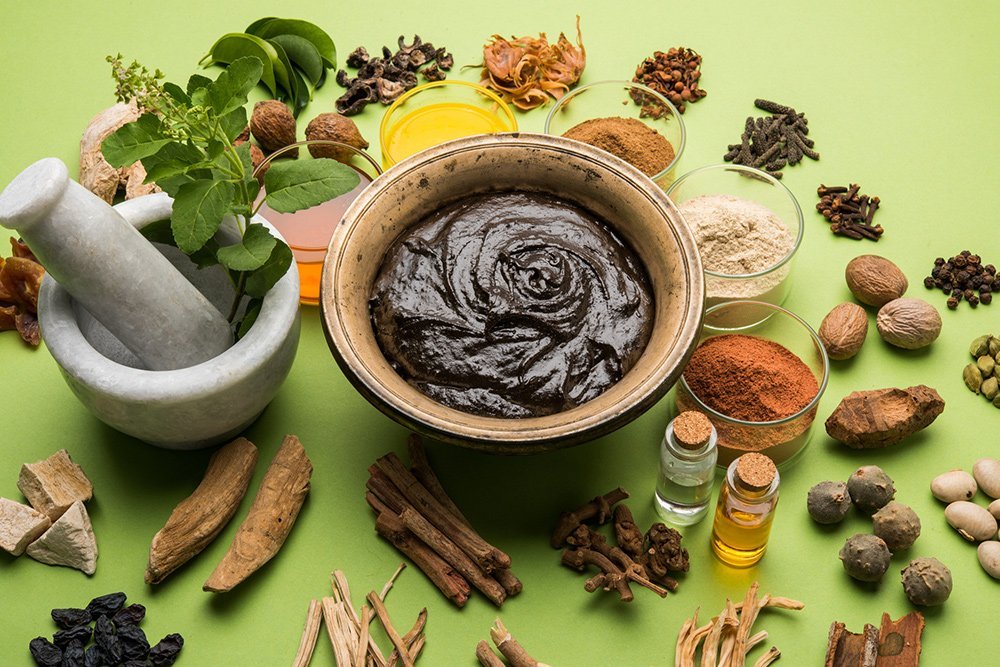
Ayurvedic Remedies for Kidney Stones: Gentle Herbal Support and Lifestyle Tips
Ayurvedic Ways to Support Kidney Stone Health
Explore gentle Ayurvedic remedies, herbs, and daily habits to support kidney wellness and help reduce the risk of kidney stones. Practical, safe, and research-informed.
If you or a loved one has ever experienced kidney stones, you know just how uncomfortable and disruptive they can be. It’s natural to wonder if there are traditional, gentle ways to support kidney health and lower the risk of stone formation. Ayurveda, India’s ancient system of holistic healing, offers a range of dietary, herbal, and lifestyle recommendations. While these approaches may play a supportive role, it’s important to remember that Ayurvedic measures should not replace professional medical advice, especially if you suspect you have kidney stones or are experiencing pain. This guide explains how Ayurveda views kidney stones, safe home practices, and when to consult a healthcare provider.
Understanding Kidney Stones and Their Impact
Kidney stones are hard, crystal-like deposits that form in the kidneys when certain minerals (like calcium, oxalate, and uric acid) become too concentrated in the urine. These stones can cause symptoms such as severe pain, blood in urine, or frequent urinary urgency—sometimes requiring urgent medical attention.
When stones are small, they may pass on their own, but larger stones may block the urinary tract, causing discomfort and potential complications. Preventing stone formation is therefore important for overall kidney wellness.
Ayurvedic Perspective on Kidney Stones
In Ayurveda, kidney stones are described as “Ashmari” and are considered a result of imbalances in the body’s doshas—Vata, Pitta, and Kapha. Ayurveda recognizes that factors like poor hydration, improper diet, and sedentary lifestyle can disrupt the natural balance, making the kidneys more susceptible to stone formation.
The primary focus in Ayurveda is on restoring balance through dietary changes, gentle herbal support, and daily practices that nurture the body over time, rather than offering instant relief.
Common Causes and Risk Factors
Medical research and Ayurveda both point to several contributing factors for kidney stones, such as:
• Inadequate fluid intake or chronic dehydration
• Excessive consumption of foods high in salt, sugar, or animal protein
• Personal or family history of kidney stones
• Sedentary lifestyle
• Certain metabolic or chronic health conditions
Early Signs and Symptoms
Not all kidney stones cause symptoms, but when they do, the most common signs include:
• Sharp pain in the back, side, or lower abdomen
• Blood in urine (hematuria)
• Nausea or vomiting
• Frequent urge to urinate
• Cloudy or foul-smelling urine
If you experience severe pain, difficulty passing urine, fever, or chills, seek prompt medical care.
Ayurvedic Home Practices for Kidney Stone Support
Ayurveda encourages preventive care rather than crisis response. Here are some time-tested, gentle strategies:
1. Hydration
Keeping urine diluted helps reduce the chance of stone formation. Aim to drink plenty of clean, safe water throughout the day unless you have medical conditions that limit your fluid intake.
2. Favor Kidney-Friendly Foods
Ayurveda suggests including these in your daily diet:
• Cucumbers, melons, and other water-rich fruits
• Barley water, a traditional drink used to support urinary health
• Vegetables like bottle gourd (lauki), ash gourd, and ridge gourd
Reduce:
• Excess salt and sugar
• Fried and processed foods
• Oxalate-rich foods (such as spinach and beets), but always check with your doctor before making significant dietary changes
3. Gentle Herbal Support
Some Ayurvedic herbs are traditionally used for kidney and urinary health. Examples include:
• Punarnava (Boerhavia diffusa): Believed to have diuretic and cleansing properties in Ayurveda
• Gokshura (Tribulus terrestris): Traditionally used to support urinary tract well-being
• Varuna (Crataeva nurvala): Used in classical texts for urinary system support
These herbs are generally consumed as teas, powders, or decoctions. However, the use of any herb should be discussed with a qualified Ayurvedic or healthcare professional, especially if you have underlying conditions or are taking medicines.
4. Lifestyle and Daily Habits
Ayurveda emphasizes routine and gentle movement:
• Aim for regular physical activity suited to your age and ability, such as walking or yoga
• Maintain a regular meal and sleep schedule
• Manage stress through practices like meditation or deep breathing
Limitations and Precautions
While Ayurvedic practices may help support kidney wellness, it’s important to recognize the limits of home care:
• Herbal remedies can interact with medications or may not be appropriate for everyone; always check with a healthcare professional before starting new supplements.
• Severe or persistent symptoms require professional evaluation.
• Ayurvedic approaches are designed for prevention and general wellness, not emergency treatment of kidney stones.
When to See a Healthcare Professional
Seek medical advice or urgent care if you experience:
• Sudden, severe, or persistent pain in the back or abdomen
• Blood in urine
• High fever or chills
• Difficulty passing urine
A healthcare provider can accurately diagnose the type, size, and location of kidney stones and suggest the best treatment approach.
General Medical Disclaimer: This article is for informational purposes only. It does not replace professional medical advice, diagnosis, or treatment. Always consult a qualified health provider with questions about a medical condition.
Frequently Asked Questions
Can Ayurvedic herbs dissolve kidney stones?
While certain Ayurvedic herbs are traditionally used to support urinary health, there is no strong scientific evidence that they can dissolve all types of kidney stones. Their role is typically preventive or supportive, and always consult your doctor before using herbal supplements.
Are there risks to trying home remedies for kidney stones?
Yes, some “home remedies” found online may not be safe or suitable for everyone. Large stones, persistent symptoms, or complications require medical care. Herbal remedies can also interact with prescription medicines, so professional guidance is essential.
How much water should I drink to help prevent kidney stones?
For most healthy adults, at least 2-3 liters of fluid per day is usually recommended to dilute urine. This may vary based on age, activity, climate, and health conditions. Discuss your optimal fluid intake with your healthcare provider.
What foods should I avoid if I’m prone to kidney stones?
Individuals with a tendency for kidney stones may be advised to limit foods high in oxalate, salt, added sugar, and animal protein. However, specific recommendations depend on the stone’s type and your health history.
Can lifestyle changes really make a difference in kidney stone prevention?
Yes, staying well-hydrated, maintaining a balanced diet, and regular physical activity can all help lower risk. These measures also support overall health.
How can I safely use Ayurvedic practices for kidney health?
Choose evidence-aligned and widely accepted practices, like dietary moderation and hydration. Consult a qualified professional before using herbal supplements or making significant lifestyle changes.
At medisecret.com, we believe that health empowerment is rooted in balanced, well-researched education. As you explore traditional and modern approaches for kidney wellness, we encourage you to make informed, safe choices in partnership with your healthcare team. Your well-being is our commitment—today and always.