Ayurvedic Remedies for Seasonal Allergies: Natural Approaches and Key Principles
Ayurvedic Remedies for Seasonal Allergies
Discover traditional Ayurvedic methods to manage seasonal allergy symptoms, including natural dietary and herbal approaches, for safer, informed choices.
Seasonal changes bring beauty and renewal, but for many, they also trigger uncomfortable allergy symptoms. Runny nose, itchy eyes, sneezing, and fatigue can make daily life challenging, especially during spring and autumn. While modern medicine offers various treatments, interest in traditional practices like Ayurveda is growing—particularly for those seeking a holistic, gentle approach to wellness. This article explores established Ayurvedic perspectives on seasonal allergies, highlighting evidence-aligned remedies, practical routines, and the principles behind them. It does not offer medical advice or promote specific products; rather, it aims to empower you with information to help guide thoughtful conversations with your healthcare provider.
Understanding Seasonal Allergies
Seasonal allergies, also called allergic rhinitis or hay fever, occur when your immune system overreacts to pollen or other airborne substances released by plants. Symptoms often include:
– Sneezing
– Itchy or watery eyes
– Runny or blocked nose
– Coughing
– Fatigue
While allergies are common, each person’s experience and triggers can differ. Environmental factors, genetics, and even stress levels may play a role.
Ayurveda and Allergies: The Holistic View
Ayurveda, an ancient Indian medical system, regards health as a balance between body, mind, and environment. According to Ayurvedic theory, allergies arise when internal harmony is disturbed, often due to imbalances in the three doshas—vata, pitta, and kapha—which represent natural elements within the body.
In the Ayurvedic framework:
– Seasonal allergies are often attributed to an aggravation of kapha dosha, especially during spring when moisture and pollen are high.
– Accumulation of ama (toxins) can make the body more reactive.
– Strengthening digestive fire (agni) and removing ama are seen as important preventive steps.
While these concepts differ from modern scientific explanations, they guide many traditional self-care practices.
Common Ayurvedic Remedies and Approaches for Seasonal Allergies
Ayurveda offers a blend of dietary, herbal, and lifestyle suggestions that may help ease allergy symptoms. Always consult your doctor before starting any new regimen, especially if you have underlying health conditions or take medications.
1. Herbal Options Used in Ayurveda
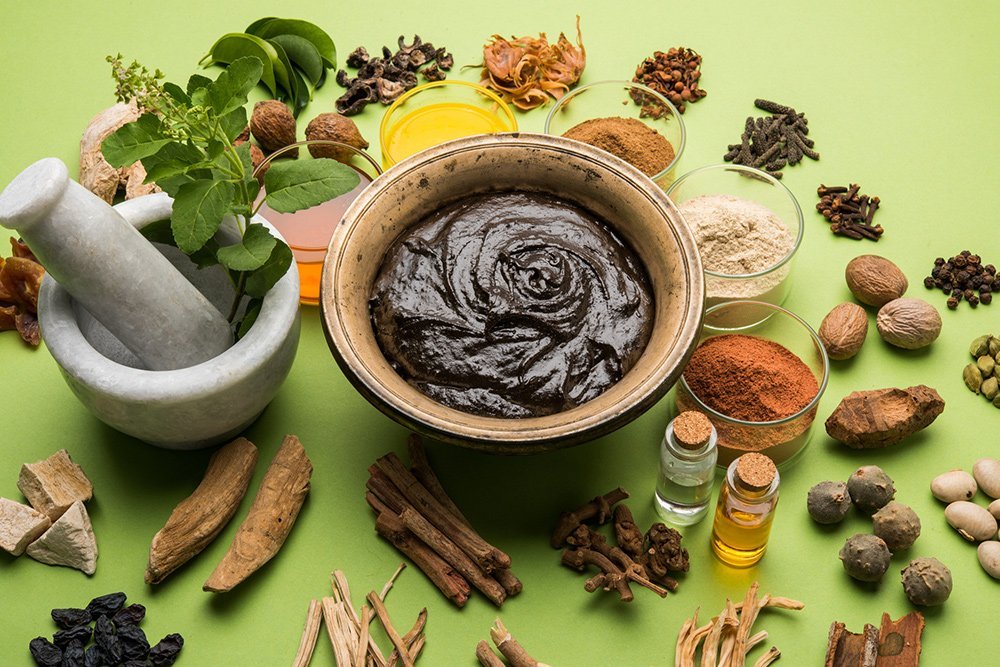
Several herbs have long been used in Ayurvedic tradition for respiratory comfort. While research is ongoing, here is an overview of commonly mentioned options:
– Turmeric (Haridra): Known for its anti-inflammatory properties and potential to support the respiratory system.
– Tulsi (Holy Basil): Used to ease respiratory congestion and boost natural defenses.
– Ginger (Adrak): May help reduce inflammation and promote digestion.
– Licorice Root (Mulethi): Traditionally used for soothing irritated mucous membranes.
– Triphala: A blend of three fruits believed to support digestive and immune function.
These herbs are typically consumed as teas, powders, or in cooking, but safety depends on individual health status. Always use caution and discuss with your healthcare provider, as some herbs may interact with medications or cause side effects.
2. Dietary Guidance for Allergy Relief
Ayurvedic nutrition focuses on balancing the doshas and supporting healthy digestion, which is considered vital for overall well-being.
– Prefer warm, cooked meals over cold or raw foods during high-allergy seasons.
– Incorporate spices like turmeric, ginger, cumin, and black pepper to stimulate digestion.
– Reduce intake of dairy, cold foods, and processed sugars, which are thought to increase kapha and mucus production.
– Stay hydrated but limit iced drinks.
– Eat seasonal, locally available fruits and vegetables for their freshness and compatibility with environmental changes.
3. Lifestyle and Daily Care Practices
In Ayurveda, lifestyle routines (dinacharya) can help harmonize the body with seasonal shifts:
– Practice gentle nasal cleansing (Jala Neti): Rinsing the nasal passages with saline water can help reduce airborne irritants. Beginners should seek professional guidance to learn proper, safe technique.
– Regular Movement: Daily physical activity, such as yoga or brisk walking, is encouraged to promote circulation and support respiratory health.
– Prioritize Rest: Quality sleep is considered essential for restoring balance and boosting resilience.
– Stress Management: Gentle breathing exercises (pranayama) or mindfulness techniques may soothe allergy-related tension.
Considerations and Limitations
While Ayurvedic approaches center on balancing the body’s systems, more high-quality, large-scale research is needed to fully understand the effectiveness of these remedies in modern medical terms. Not all treatments are universally suitable, and some may interact with medications or pre-existing health conditions.
It’s important to:
– Avoid using Ayurvedic herbal supplements without consulting a healthcare professional.
– Do not use any herbal remedy as a substitute for necessary medical care.
– Watch for signs of severe allergic reaction—such as difficulty breathing or swelling—and seek emergency help if these occur.
Prevention and When to Seek Medical Advice
Proactive management is key for allergy sufferers. Simple steps such as checking pollen counts, showering after outdoor exposure, and using air filters can reduce triggers. If you experience persistent, worsening, or severe symptoms, or if natural remedies do not provide relief, consult a qualified healthcare professional promptly.
FAQ
What are the typical signs of seasonal allergies in Ayurveda?
Ayurvedic texts note symptoms similar to those described in modern medicine, such as sneezing, nasal congestion, and watery eyes, but also pay attention to digestive discomfort and feelings of heaviness linked to kapha imbalance.
Can Ayurvedic remedies be used alongside prescription allergy treatments?
It is possible in some cases, but interactions can occur. Always discuss with your healthcare provider before starting any new herbal or dietary supplement, especially if you are already on medication.
Are herbal remedies like turmeric and tulsi proven to cure allergies?
Current scientific evidence does not support a cure for allergies using herbal remedies. These herbs may offer supportive relief for some people, but effects can vary and more research is needed.
Is Jala Neti safe for beginners?
Jala Neti can be beneficial when performed correctly. Beginners should learn from a trained practitioner to ensure safe and hygienic practice, and avoid the technique if they have sinus infections or other nasal conditions.
What should I consider before trying any new Ayurvedic routine?
Consider your unique health status, allergies, and current medications. Consult a doctor or an experienced Ayurvedic practitioner for personalized guidance and to avoid unwanted effects.
How can I make safer choices around Ayurvedic products?
Choose products from trusted, quality-controlled sources, avoid unverified health claims, and prioritize professional advice over anecdotal reports.
At medisecret.com, our commitment is to providing reliable, balanced health education and empowering you to make thoughtful choices for your well-being. Ayurveda presents a tradition of gentle, holistic care that can complement modern practices when used responsibly. For any questions about seasonal allergies or new health approaches, seek guidance from qualified healthcare professionals who understand your individual needs.