Ayurvedic Medicine for Diabetes: A Responsible Guide to Natural Management
Ayurvedic Approaches to Diabetes Management
Ayurveda for Diabetes: Natural Lifestyle and Diet Tips Reviewed by Experts
Ayurvedic medicine offers a holistic perspective on diabetes management, blending ancient traditions with today’s health needs. In this article, we explore how Ayurvedic principles might support natural blood sugar control, safe lifestyle changes, and overall wellbeing—without promising miracle cures or replacing medical advice.
What Is Ayurveda and How Does It View Diabetes?
Ayurveda is a science of life and natural healing that has guided health and wellness practices in India for thousands of years. It focuses on balancing the body, mind, and spirit through diet, lifestyle, and herbal preparations.
From an Ayurvedic perspective, diabetes is often described as “Madhumeha,” meaning “honey urine disease.” Ayurveda considers diabetes a result of imbalance in bodily energies (called doshas) and improper digestion or metabolism (agni). This view emphasizes that imbalances in diet, daily habits, and stress can contribute to diabetes or affect its severity.
Why Ayurvedic Principles Matter for Health
Worldwide, diabetes rates are rising due to changes in diet, physical activity, stress, and other lifestyle factors. Modern medicine focuses mainly on controlling blood sugar and preventing complications. Ayurveda encourages a broader view that supports body-wide health, emotional wellbeing, and prevention through mindful living.
For people exploring complementary approaches to diabetes management, Ayurveda’s emphasis on natural habits, tailored diets, and stress reduction may offer additional tools—as long as they are combined thoughtfully with standard medical advice.
Causes and Risk Factors of Diabetes: Ayurveda and Modern Understanding
Conventional medicine identifies causes of diabetes as insulin resistance (mainly in type 2 diabetes), autoimmune responses (type 1 diabetes), genetics, obesity, and sedentary life.
Ayurveda highlights several possible contributors, including:
– Overeating, frequent snacking, or heavy/rich foods
– Sedentary lifestyle or inactivity
– Chronic stress or emotional disturbances
– Poor, irregular sleep habits
Importantly, Ayurveda encourages people to view diet, activity, and stress management as vital to long-term health—an idea now widely echoed by modern preventive medicine.
Ayurvedic Lifestyle Habits for Natural Diabetes Support
While each person’s needs are unique, Ayurveda suggests a range of lifestyle habits for better metabolic health:
Balanced daily routines (Dinacharya)
– Consistent sleep and wake times
– Regular, moderate exercise tailored to individual ability
– Mindful eating with attention to hunger and fullness cues
– Stress reduction through practices such as yoga, meditation, or deep breathing
Physical activity
Ayurveda emphasizes movement as a pillar of health. Gentle exercises, walking, and yoga not only support physical fitness but may help improve insulin sensitivity and mood.
Stress management
Chronic stress can affect blood sugar levels and cravings. Mindfulness, meditation, and slow breathing are widely recommended in Ayurveda for emotional balance—ideas that modern science also supports.
Ayurvedic Dietary Suggestions for Blood Sugar Support
There is no single “Ayurvedic diabetes diet.” Instead, Ayurveda recommends adjusting food choices based on individual constitution, digestive fire, and the balance of doshas. Still, some dietary suggestions commonly appear in Ayurvedic texts and modern guidance:
Favor whole, minimally processed foods
– Fresh vegetables (especially bitter gourds, fenugreek leaves, bottle gourd)
– Whole grains such as barley, millet, and brown rice
– Legumes and pulses in moderate amounts
Reduce foods that may aggravate blood sugar
– Minimize refined sugars, white flour, processed snacks, and high-fat fried foods
– Limit heavy dairy, red meats, and salty or oily snacks
Spices and herbs
– Certain spices like turmeric, cinnamon, fenugreek, and cumin are held in high regard in Ayurveda; early research suggests they may offer metabolic benefits, but evidence is ongoing and not conclusive
Hydration and mindful eating
– Ayurveda encourages sipping warm water, avoiding overeating, and eating in a calm, distraction-free environment
It is important to remember that even natural herbs or dietary changes can affect blood sugar or interact with medications. Always discuss adjustments with your healthcare team.
Herbal Options: Possibilities and Precautions
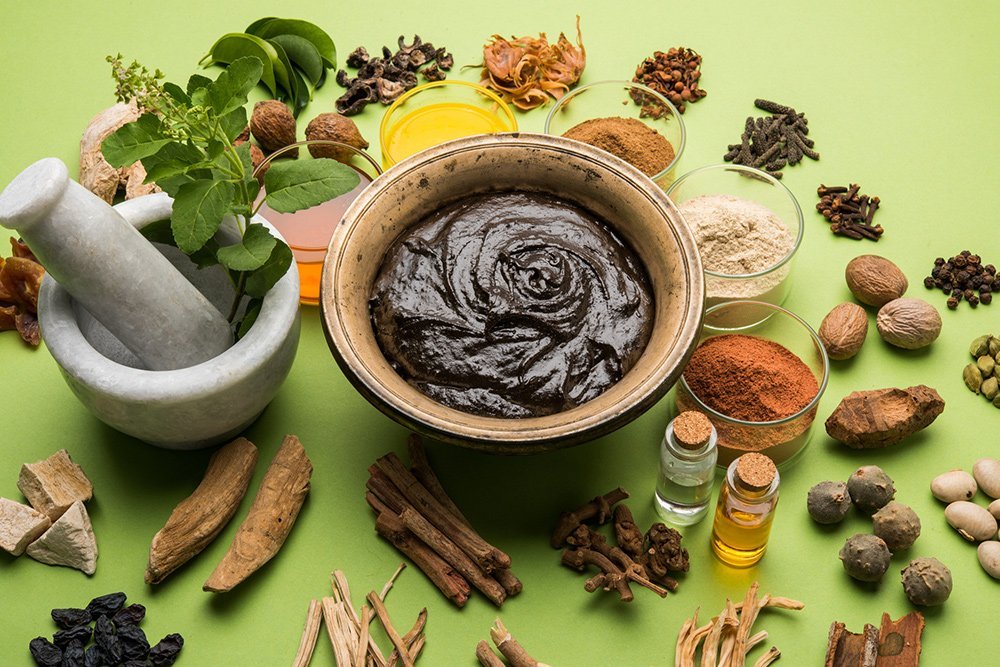
Ayurvedic herbs like turmeric (haldi), bitter melon (karela), fenugreek (methi), and Indian gooseberry (amla) have been traditionally valued for their potential effect on blood sugar. Modern studies suggest some may help as part of an overall plan, but evidence is still limited and quality varies.
Potential benefits
– Some herbs may help with blood sugar regulation or insulin sensitivity
– They can add nutrients and variety to meals
Cautions and limitations
– Natural does not always mean safe; some herbs might interact with standard diabetes medications or carry risks if used in excess
– Purity and potency of herbal products can vary widely
– Herbal supplements are not regulated as strictly as prescription medicines
Consulting a well-qualified Ayurvedic practitioner, along with your primary doctor or diabetes specialist, is crucial. Avoid starting or stopping any supplement without informed guidance.
When to Seek Medical Advice
Ayurvedic and lifestyle measures work best as companions—not replacements—for evidence-based medical care. You should consult a healthcare professional if you experience:
– Unusual thirst, increased urination, unexplained weight changes
– Dizziness, fatigue, or vision changes
– Blood sugar readings consistently above your target range
– Any new symptoms or concerns about medications or supplements
Managing diabetes safely often requires ongoing monitoring and adjustments. Combining traditional wisdom with modern care can help you make confident, well-informed choices.
Limitations and Responsible Use
– Ayurveda is a supportive approach, not a standalone cure for diabetes
– Results and experiences can vary from person to person
– No reputable system—Ayurvedic or otherwise—should promise quick fixes or miracles
– Ongoing scientific research is still clarifying the benefits and limitations of Ayurvedic herbs and practices
Responsible self-care means staying informed, consulting qualified professionals, and using only trustworthy sources for information and products.
Frequently Asked Questions
Is Ayurveda safe for diabetes management?
Ayurvedic lifestyle habits like balanced routines, mindful eating, and stress reduction are generally safe. However, always discuss herbal supplements or major diet changes with your doctor to avoid unexpected interactions or risks.
Can Ayurvedic herbs cure diabetes?
There is no cure for diabetes in Ayurveda or any other system. Some herbs may support blood sugar management, but they cannot replace standard treatment. Avoid any product or claim that promises a cure.
Are Ayurvedic diets very restrictive for people with diabetes?
Ayurveda focuses on balance and whole foods, not extreme restriction. Food choices are adapted for individual needs. Extreme diets or “detoxes” are not recommended for diabetes.
Can Ayurveda be combined with modern diabetes treatments?
Yes, lifestyle practices like yoga, meditation, and mindful eating can complement standard treatments. Always coordinate any new practices or supplements with your healthcare team.
How do I find a qualified Ayurvedic practitioner?
Look for practitioners who are certified, have recognized training, and are open to collaborating with your primary healthcare providers. Transparency about qualifications and safe integration with modern care is essential.
Building Trust for Your Long-Term Health
At medisecret.com, we are committed to clear, balanced health education that empowers your choices—without shortcuts, exaggerations, or hidden risks. Ayurveda offers valuable perspectives on wellness and self-care, and when thoughtfully integrated with modern medical guidance, may enrich your journey with diabetes. Our goal is to support you with information you can trust as you make confident, informed decisions for your unique health needs.