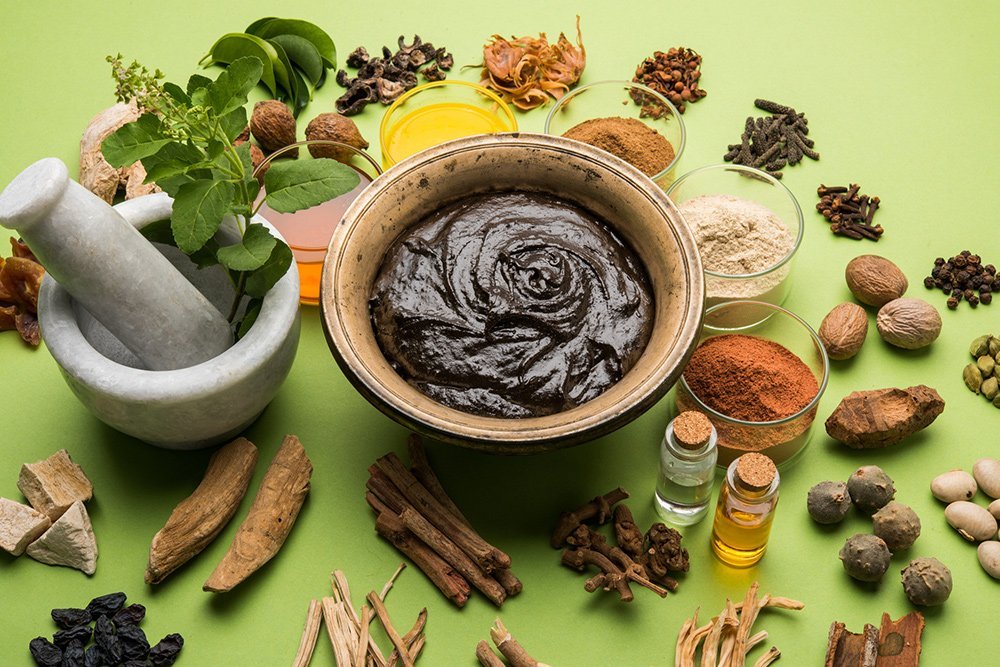
Managing Gum Disease with Ayurvedic Medicine: Safe Practices and What to Know
Managing Gum Disease with Ayurveda
Explore Ayurvedic remedies and routines that may help manage gum disease. Learn how to safely combine traditional care with evidence-based dental practices.
Gum disease, or periodontal disease, is a common oral health issue worldwide. If you have swollen, bleeding gums or are concerned about gum health, you may have questions about natural or traditional remedies, including Ayurveda. This article explores how Ayurvedic medicine approaches gum disease, which practices might support your oral care routine, and what you should know before trying them alongside conventional dental treatment.
Understanding Gum Disease
Gum disease starts when plaque—a sticky film of bacteria—builds up along the gum line. Over time, this can irritate the gums (gingivitis) and, if left untreated, lead to more severe infection (periodontitis). Early signs often include redness, swelling, and bleeding during brushing or flossing.
While daily brushing, flossing, and regular dental cleanings are proven ways to prevent and manage gum disease, some people look to complementary methods for added support.
Ayurveda and Oral Health: An Overview
Ayurveda is a traditional system of medicine from India, focusing on using herbs, natural remedies, and daily routines (Dinacharya) to maintain balance in the body. Oral care, known as “Danta Swasthya” in Ayurveda, is considered important for overall health.
Ayurvedic approaches to gum health may include:
Oil pulling (Gandusha or Kavala)
Brushing with herbal powders or pastes
Using specific herbs known in Ayurveda for oral wellness
Herbal rinses or gargles
It’s important to note that while some people find these practices helpful, most scientific evidence is limited and does not fully replace conventional dental care.
Ayurvedic Practices for Gum Health
Oil Pulling
Oil pulling involves swishing a tablespoon of oil (such as coconut, sesame, or sunflower) in the mouth for up to 10–20 minutes before spitting it out. It is believed to help reduce bacteria, promote fresh breath, and support gum health.
– Modern research on oil pulling is limited, but some small studies suggest it may reduce plaque and mild gum inflammation when practiced regularly.
– It should be used as a potential addition to—not a substitute for—brushing, flossing, and regular dental checkups.
Ayurvedic Herbal Powders and Pastes
Traditional Ayurvedic tooth powders may contain ingredients like neem, clove, babool, or triphala. In Ayurveda, these herbs are thought to have antibacterial or soothing properties.
– Neem and clove, in particular, have been studied in small trials for their ability to reduce plaque and gum inflammation.
– Some commercial herbal toothpastes now include these ingredients, but always check for quality and safety, and consult with your dental provider before switching.
Herbal Mouth Rinses
Ayurvedic mouth rinses often use diluted decoctions of herbs such as triphala or licorice root. These may serve as mild, supportive rinses, but are not a replacement for antiseptic or fluoride-based mouthwashes recommended by dentists.
Daily Oral Care Routines
Ayurveda recommends routine tongue cleaning, gentle gum massage, and mindful eating of foods that support oral health (such as crunchy fruits and vegetables). These practices may help encourage awareness of your oral health and promote gentle daily care.
Potential Benefits and Limitations
What Might Be Helpful
– Oil pulling is generally considered safe when done correctly.
– Herbal powders and mouth rinses may offer mild support for plaque and inflammation.
– Ayurvedic routines can help make oral care a daily habit.
Current Limitations
– Most Ayurvedic practices for gum health have limited scientific research compared to conventional methods.
– These approaches are not a proven treatment for advanced gum disease or deep infection.
– Herbs and oils, although natural, may cause allergic reactions in some people.
Keeping Your Gums Healthy: Everyday Tips
– Brush teeth gently twice a day with a soft-bristled toothbrush and fluoride toothpaste.
– Floss daily to remove plaque between teeth and under the gumline.
– Consider adding safe, evidence-aligned Ayurvedic practices if you are interested—but always as a supplement, not a replacement, to mainstream dental care.
– Eat a balanced diet rich in fresh fruits, vegetables, and whole grains.
– Avoid tobacco and limit sugary foods and drinks.
When to Consult a Dental Professional
While natural remedies can be part of a preventive routine, it’s important to seek professional care for:
– Persistent bleeding or swollen gums
– Loose teeth or receding gums
– Painful or sensitive areas in your mouth
– Signs of infection, such as pus or persistent bad breath
Consulting a dental professional ensures accurate diagnosis and access to effective treatments. Before starting any new oral health practice—including Ayurvedic remedies—talk to your dentist, especially if you have underlying health conditions or are using other medications.
Medical Disclaimer: The information in this article is for educational purposes only. Ayurvedic practices are not a substitute for professional dental advice, diagnosis, or treatment. Always consult your dentist or healthcare provider with any concerns.
Frequently Asked Questions
Can oil pulling cure gum disease?
Oil pulling may support oral hygiene, but it does not cure gum disease. Regular dental checkups and professional treatments are essential for managing gum disease effectively.
Are Ayurvedic tooth powders safe to use?
Some people use Ayurvedic tooth powders containing herbs like neem or clove. Consult your dentist before making any changes to your oral care routine, as not all herbal products are appropriate for everyone.
Can I use Ayurvedic practices along with regular dental care?
Yes, many people use Ayurvedic practices as a supplement to brushing, flossing, and preventive dental visits. Always speak with your dentist to ensure these additions are safe for your individual needs.
What are the signs that gum disease needs professional treatment?
Signs such as continued gum swelling, bleeding, pain, or loose teeth require evaluation by a dental professional.
Is there scientific evidence supporting Ayurvedic treatments for gum health?
Some small studies suggest benefits for certain herbs, but most Ayurvedic gum disease treatments lack extensive scientific proof. They should not replace proven dental therapies.
How can I prevent gum disease naturally?
Effective prevention involves consistent brushing and flossing, healthy diet choices, and regular dental checkups. Some safe Ayurvedic practices may provide gentle support but should complement—not replace—evidence-based care.
At medisecret.com, we believe in empowering you with clear, trustworthy information, bridging traditional wisdom and modern science. We offer educational content that prioritizes your safety, encourages thoughtful collaboration with healthcare providers, and supports lifelong, informed wellness decisions.