The Benefits of Ayurvedic Detox for Weight Loss: Evidence, Practices, and Safety
The Benefits of Ayurvedic Detox for Weight Loss
Ayurvedic Detox for Weight Loss: How Traditional Practices Aim to Support Healthy Digestion and Balance
Curious about Ayurvedic detox for weight loss? Explore time-tested principles, dietary approaches, and safety tips, grounded in medical responsibility.
Introduction: Understanding Ayurvedic Detox for Weight Loss
Many people searching for sustainable weight loss come across Ayurveda, an ancient Indian system of medicine that emphasizes balance, digestion, and natural lifestyle practices. But what exactly is Ayurvedic detox, and can it really play a role in weight management?
This article explores Ayurvedic detox through a modern, evidence-informed lens. We’ll examine its core principles, what happens during a typical Ayurvedic cleanse, potential benefits for digestion and energy, and the importance of safety and personalized care.
What Is Ayurvedic Detox?
Ayurvedic detox, or “Panchakarma,” refers to traditional cleansing methods designed to support the body’s natural processes of eliminating waste and restoring balance. According to Ayurveda, health is maintained when the three doshas—Vata, Pitta, and Kapha—function in harmony. An imbalance, often fueled by diet, lifestyle, or stress, can disrupt digestion (“Agni”) and lead to the buildup of metabolic waste (known as “Ama”).
An Ayurvedic detox usually involves:
Gentle herbal therapies and teas
Specific dietary routines (often favoring warm, easily digested foods like khichdi)
Cleansing practices such as oil massages (“Abhyanga”) or steam therapy
Mindful routines, including meditation or yoga
Importantly, classical Panchakarma (intensive detox) is performed only under professional supervision in specialized settings. At-home Ayurvedic detox routines are typically gentler and focus on dietary modifications and self-care.
Why Does Detox Matter for Health and Weight?
In Ayurveda, optimal digestion is seen as the key to healthy metabolism, energy, and body weight. Accumulation of Ama (undigested food and toxins) is believed to hinder digestion, potentially leading to sluggishness, cravings, and weight imbalance. By clearing Ama and supporting Agni, detox practices aim to restore energy and balance.
While Western medicine does not recognize “Ama” as a physical toxin, there is scientific support for the benefits of improved dietary patterns, mindful eating, gentle fasting, and stress reduction for metabolism and wellbeing. However, weight loss results may vary widely from person to person.
Common Ayurvedic Detox Methods for Weight Loss
Dietary Foundation: A mainstay is a simple, nourishing diet. Meals during a detox often center around khichdi (a porridge of rice and lentils), cooked vegetables, and digestive spices like cumin, ginger, and turmeric. Dairy, heavy, cold, or processed foods are generally reduced.
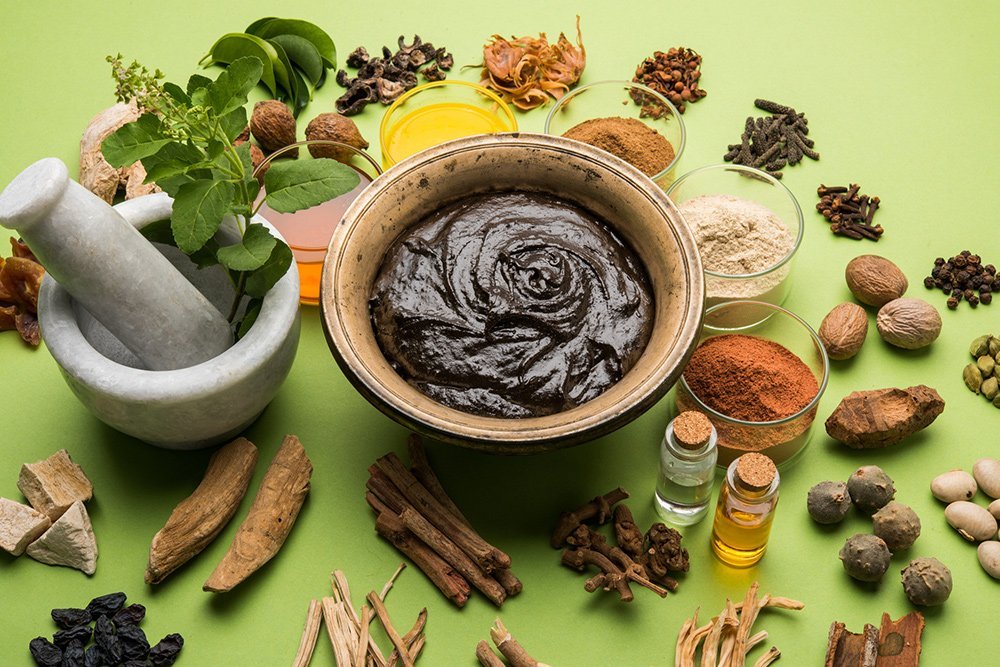
Herbal Teas: Ayurvedic herbs and spices — such as triphala, fenugreek, or fennel — may be used to support digestion and comfort, but should be chosen with care and ideally with professional advice.
Oil Therapies: Warm oil massages are thought to calm the nervous system and aid circulation.
Gentle Movement: Incorporating yoga, walking, or simple stretching helps support healthy metabolism and mind-body balance.
Mindful Practices: Emphasis is placed on mindful eating, regular sleep, and stress reduction, which are increasingly recognized as important for a healthy weight.
How Might Ayurvedic Detox Support Weight Loss? (Potential Benefits)
Promoting mindful and reduced-calorie eating: Structured meal routines and whole food diets may help some people reduce unnecessary snacking and make healthier choices.
Supporting digestive comfort: Many find that lighter, plant-based meals with digestive spices improve bloating and energy.
Encouraging self-care and stress management: The holistic focus of Ayurveda can motivate positive lifestyle changes in sleep, movement, and mental health.
Breaking unhelpful habits: Temporary routines may help interrupt patterns such as late-night eating.
However, it’s important to recognize that any weight changes from short-term detox are typically modest and may not be sustained unless part of long-term, evidence-based lifestyle modifications. There is limited high-quality scientific research specifically on Ayurvedic detox and weight loss, though elements like plant-forward diets and mindful eating have supporting evidence.
Who Should Be Cautious With Ayurvedic Detox?
Ayurvedic detox is generally gentle but not risk-free. Certain groups should avoid or modify detox routines:
Those with chronic conditions (e.g., diabetes, heart disease) — consult your doctor before dietary changes.
Pregnant or breastfeeding individuals
Children or older adults with frailty
Anyone taking prescription medications or with specific dietary needs
Always discuss plans for any significant dietary or herbal regimen with a qualified healthcare professional.
When to Seek Medical Guidance
If you experience:
Persistent digestive complaints
Fatigue, dizziness, or unintended weight loss
Worsening of chronic health conditions
Emerging symptoms of concern
Promptly consult your doctor or a qualified Ayurvedic physician. Ayurvedic detox is not a substitute for medical care or treatment.
Safe Practices and Key Considerations
Prefer gentle over drastic: Extreme fasting, herbal purges, or rigid detox diets can pose risks, especially without supervision.
Avoid herbal self-medication: Herbs, even natural ones, may have side effects or interact with medications.
Prioritize hydration: Drink plenty of water to support natural detoxification.
Listen to your body: Discontinue any practice that causes discomfort or distress.
Focus on sustainable changes: Small, consistent improvements in diet and lifestyle yield longer-term benefit than short detoxes alone.
Limitations and Ongoing Research
While Ayurveda offers a thoughtful approach to balanced living, research specifically confirming Ayurvedic detox for weight loss remains limited. Many benefits described are linked to healthier lifestyle shifts—such as improved diet, stress reduction, and movement—rather than detox alone.
No approach, including Ayurveda, can guarantee quick or dramatic results. However, its focus on individualized, mindful wellness may complement evidence-based weight management strategies.
FAQ Section
Is Ayurvedic detox safe for everyone?
No, Ayurvedic detox is not appropriate for all individuals. Those with underlying medical conditions, pregnant or breastfeeding women, children, and those on prescription medications should seek guidance from a healthcare professional before starting any detox or cleansing program.
How long does an Ayurvedic detox typically last?
Gentle, food-based Ayurvedic detox routines may last anywhere from three days to a week. Classical Panchakarma (intensive cleansing) can be longer but should only be done under professional supervision.
Will I lose weight with an Ayurvedic detox?
Any weight loss from a short-term Ayurvedic detox is often due to reduced calorie intake and changes in fluid balance. For long-term weight management, ongoing lifestyle changes including balanced diet and activity are most effective.
Can I use Ayurvedic herbs or supplements on my own?
It is best to use Ayurvedic herbs or supplements only under the guidance of a qualified practitioner, as some products may not be appropriate for everyone and could interact with medications.
What are the most important aspects of a safe detox?
Gentle dietary changes, staying hydrated, listening to your body’s signals, and consulting with your healthcare provider for personalized advice are crucial for safety.
How do I know if Ayurvedic detox is right for me?
Consider your overall health, personal goals, and consult both your primary doctor and a trained Ayurvedic expert before starting any new routine.
At Medisecret.com, our goal is to empower you with clear, balanced health information to guide your choices with confidence. While Ayurvedic detox may offer mindfulness and dietary awareness, prioritizing safety and sustainable habits remains key. Always make health decisions that feel right for you and are based on responsible, well-informed guidance.