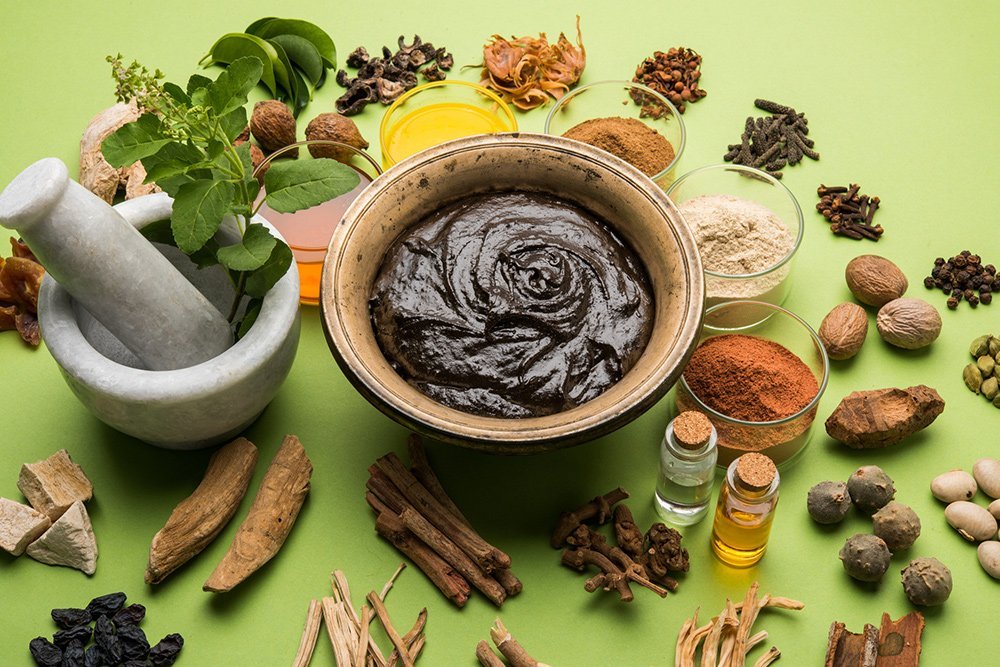
Triphala’s Role in Digestive Health: Tradition, Science, and Everyday Wellbeing
Triphala and Digestive Wellness: Tradition Meets Science
Triphala has long held a place in Ayurvedic practice as a gentle, natural support for digestive health. But what is it, and does modern research confirm its traditional reputation? For those struggling with uncomfortable digestion, irregularity, or wanting to support gut balance in everyday life, learning about Triphala’s potential role can help you make more confident, informed decisions about your health.
What is Triphala?
Triphala is a classical herbal formulation with roots in India, used for centuries in Ayurveda—the traditional system of medicine. The name “Triphala” means “three fruits” in Sanskrit, reflecting its blend of three dried fruits:
– Amalaki (Emblica officinalis, Indian Gooseberry)
– Bibhitaki (Terminalia bellirica)
– Haritaki (Terminalia chebula)
Each fruit brings unique plant compounds, antioxidants, and potential health effects. When combined, these fruits are thought to complement one another, supporting wide-ranging wellness. Triphala is most commonly available as a powder or capsules.
Why Digestive Health Matters
Healthy digestion is about more than just avoiding discomfort. Your digestive system helps break down food, absorb nutrients, remove waste, and support your entire body’s function—from immunity and energy to skin and mental clarity. Inconsistent digestion, bloating, or irregular bowel movements can impact both physical comfort and everyday wellbeing.
Many factors influence digestive health:
– Diet and hydration
– Physical activity
– Stress and emotional balance
– Gut microbiota (the “good” bacteria in your gut)
– Underlying health conditions
Triphala is traditionally used to gently support these functions and promote balance, but how does that translate in scientific terms?
How Might Triphala Support Digestive Health?
Research into Triphala’s specific effects is ongoing, but several mechanisms have been explored in human and animal studies:
1. Gentle Laxative Effect
Triphala may help support regular bowel movements. Components, especially from Haritaki, appear to encourage natural movement of the bowels, though typically in a gentle way rather than harshly stimulating the system.
2. Supporting Gut Microbiota
There is preliminary evidence that Triphala may help maintain balance among the gut’s friendly bacteria, an important factor in digestion and immune health. By supporting a healthy gut microbiome, Triphala could contribute to more resilient overall digestion.
3. Antioxidant and Anti-Inflammatory Properties
The fruits in Triphala are rich in natural antioxidants—plant compounds that can help counteract everyday oxidative stress. Some research suggests this may ease low-grade inflammation in the digestive tract, potentially supporting barrier function and comfort.
4. Promoting Natural Detoxification
Traditional uses suggest Triphala helps the body remove waste more effectively, though “detoxification” in science is more about supporting natural processes like liver function and waste elimination rather than vigorous cleansing.
5. Appetite and Digestion
Some small studies point to Triphala’s effects on appetite regulation and fat metabolism. More research is needed, but it may gently encourage balanced appetite and nutrient absorption.
Scientific Evidence: What Do We Know So Far?
Human clinical studies on Triphala and digestion are limited but growing. Some research has observed improvements in occasional constipation and digestive comfort compared to placebo. Laboratory and animal studies support the idea that Triphala can encourage beneficial gut bacteria and reduce oxidative stress.
It is important to note:
– Most studies are small or short-term
– Herbal formulations may vary across brands and batches
– Traditional benefits may not be identical for everyone
At this stage, Triphala is best viewed as a gentle, daily-supportive approach for those seeking to maintain overall digestive comfort, rather than a substitute for medical treatment.
Recognizing Signs of Digestive Imbalance
If you’re considering herbal support, pay attention to common signs of digestive imbalance. Mild symptoms might include:
– Irregular bowels (constipation or loose stools)
– Mild abdominal discomfort or bloating
– Occasional heartburn
– Feeling full quickly
However, if you experience persistent pain, severe symptoms, unexplained weight changes, blood in stool, or significant digestive distress, always speak with a medical professional.
Safe Use and Precautions
Triphala is generally considered safe for most healthy adults in traditional amounts. However, there are important considerations:
– Some people may experience mild digestive upset when starting use
– It may interact with certain medications (such as blood thinners or diabetes drugs)
– Safety in pregnancy, breastfeeding, and for young children is not well-studied
Always consult your healthcare provider before starting any herbal supplement, especially if you have existing medical conditions or are on prescription medications.
Simple Tips for Everyday Digestive Health
Herbal support like Triphala can be one aspect of a holistic strategy. Consider pairing it with simple, evidence-based habits for optimal digestive balance:
– Eat plenty of fiber-rich fruits, vegetables, and whole grains
– Drink enough water throughout the day
– Practice mindful eating and chew food thoroughly
– Stay physically active, even with daily walks
– Manage stress with relaxation techniques, deep breathing, or gentle yoga
– Support your gut microbiota with fermented foods (like yogurt or traditional pickles)
When to Consult a Healthcare Professional
While supporting digestive wellness is often possible with lifestyle and gentle remedies, it’s vital to check with your doctor if you have:
– Noticeable changes in digestive function that last more than a few days
– Any bleeding, severe pain, or unintentional weight loss
– Chronic digestive disorders (such as IBS, IBD, or celiac disease)
– Concerns about long-term gut health, medication interactions, or if you plan to use supplements
A doctor can help determine any underlying issues and guide you toward a safe, individualized plan.
Frequently Asked Questions
What is Triphala mainly used for in Ayurveda?
In Ayurvedic tradition, Triphala is valued for its ability to gently support digestion, promote regular elimination, and encourage overall balance in the body. It is often used as a mild daily support for gut function rather than quick relief for specific symptoms.
Is Triphala safe for most people?
Triphala is generally well-tolerated by healthy adults in traditional amounts. However, it’s important to remember that everyone’s health profile is unique. Always check with your healthcare provider before starting any supplement, especially if you have a health condition or take medications.
Can Triphala replace conventional digestive medications?
Triphala should not be used as a replacement for prescribed treatments or as a cure for digestive disorders. Its role is best considered as gentle, everyday support, not a substitute for professional medical care.
How soon might I notice benefits from Triphala?
Some people notice digestive comfort or improved regularity within a few days to weeks. However, responses may vary, and effects are generally subtle. Always use herbal supports as part of a balanced approach and monitor how your body responds.
Are there any side effects to watch out for?
Mild digestive changes, such as looser stools or mild cramping, may occur when starting Triphala. If you experience any persistent or severe side effects, stop use and consult your healthcare provider.
Closing
At medisecret.com, our aim is to empower you with balanced, trustworthy information to support your health choices. Exploring traditional approaches like Triphala can be a valuable part of learning about digestive wellness, but your individual needs are always at the center of good care. If you’re ever unsure about herbal supplements or ongoing digestive symptoms, seek guidance from a qualified healthcare provider. Your wellbeing—and your confidence in caring for it—matter most.