Ayurveda for Kidney Health: Natural Approaches to Support and Care
Ayurveda for Kidney Health: Natural Support and Care
Ayurveda for kidney health: Discover safe, traditional ways to support kidney function through diet, lifestyle, and expert guidance.
Caring for your kidneys is central to maintaining your overall health, but with rising rates of kidney issues, many people are searching for safe, natural ways to protect these vital organs. Ayurveda—a centuries-old system of wellness—offers holistic approaches for supporting kidney function, focusing on individual balance, diet, and gentle herbal remedies. This article explores how Ayurveda views kidney health, practical steps for daily care, and the importance of working alongside modern medical advice for your safety.
What Is Ayurveda and How Does It Relate to the Kidneys?
Ayurveda is an ancient Indian medical system based on the idea of balance between body, mind, and environment. It sees health as a dynamic equilibrium and uses diet, lifestyle, and natural substances to promote well-being. In Ayurveda, the kidneys—known as “vrikka”—play a crucial role in filtering fluids, maintaining mineral balance, and removing toxins.
Kidney function, according to Ayurveda, is associated with the “Apana Vata” and “Pitta” doshas. When these energy principles are out of balance due to dietary habits, stress, or lifestyle factors, it may affect kidney health. Ayurvedic care aims to support the natural cleansing actions of the kidneys by restoring balance in these energies.
Why Kidney Health Matters
Kidneys quietly and continuously filter your blood, removing waste and excess fluids that accumulate from normal body processes. When kidneys do not function well, these wastes can build up, leading to fatigue, swelling, changes in urination, and other symptoms. In severe cases, poor kidney health can increase risks of heart disease, anemia, weak bones, and more.
Because kidney disease often progresses silently, prevention and early, gentle support are important. Ayurveda emphasizes regular self-care and attention to early imbalances to help maintain long-term kidney function.
Common Causes and Signs of Kidney Imbalance
According to Ayurveda and modern medicine, factors that may challenge kidney health include:
High sodium or protein intake
Chronic dehydration
Uncontrolled blood sugar (diabetes)
High blood pressure
Long-term use of certain medications (such as painkillers or antibiotics)
Poor lifestyle habits, including lack of exercise or sleep
Common signs of kidney stress or imbalance can be subtle at first. These may include:
Unexplained fatigue or weakness
Swelling in feet, ankles, or face
Changes in urination (frequency, color, or urgency)
Loss of appetite or nausea
Muscle cramps
It’s important to note: These symptoms can result from many different causes, not just kidney problems. Always seek prompt medical advice if you are concerned about your kidneys or have persistent symptoms.
Ayurvedic Principles for Supporting Kidney Health
Ayurveda teaches that daily habits (“dinacharya”) and mindful routines protect against future health problems, including those affecting the kidneys. Here are some foundational Ayurvedic approaches to kidney care:
1. Balancing the Doshas
Your unique body constitution, or combination of “doshas” (Vata, Pitta, Kapha), influences which foods and routines are most supportive. For kidneys, Ayurveda often recommends:
Focusing on balance: Avoid extremes of salty, sour, and spicy flavors, which may aggravate kidney stress.
Listening to your body: Favor meals and routines that leave you feeling light, clear, and well-hydrated.
2. Herbal and Dietary Support
Ayurveda suggests specific foods and herbs that may gently nourish the kidneys:
Hydrating fruits and vegetables: Cucumber, watermelon, bottle gourd (lauki), ash gourd, and berries
Mild spices: Coriander, cumin, fennel, turmeric, and parsley in moderation
Whole grains: Brown rice, barley, and millets
Limited salt: Reduce excess sodium to avoid extra strain on the kidneys
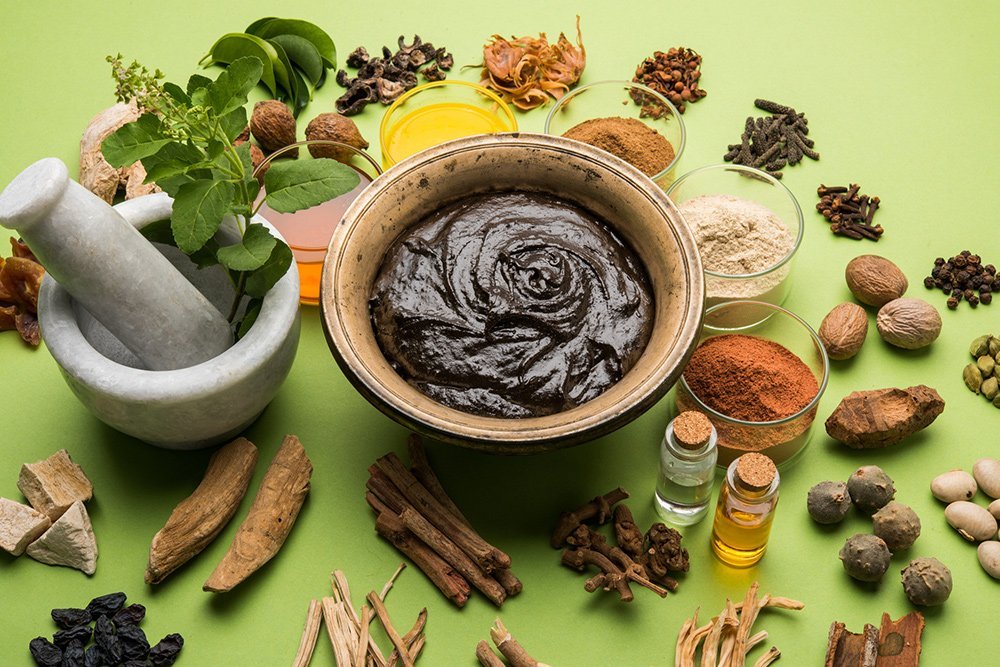
Traditional herbal supports: Gokshura (Tribulus terrestris), Punarnava (Boerhavia diffusa), and Varuna—these are used with careful guidance from a qualified Ayurvedic professional, due to variations in safety and individual needs
Important: Herbal remedies can interact with other medications and should not be taken without consulting a healthcare provider. Not all herbs are appropriate for everyone, and their effectiveness may vary.
3. Gentle Lifestyle Practices
The Ayurvedic way emphasizes prevention and supports kidney health through:
Adequate hydration: Sip water throughout the day rather than drinking large volumes at once
Mindful movement: Gentle yoga, walking, and stretching help improve circulation and reduce stress
Stress management: Practices like meditation, deep breathing, and adequate sleep support overall wellness and may reduce risk factors linked to kidney strain
4. Avoiding Kidney Stressors
Limit processed foods, artificial sweeteners, and excess animal proteins, which may increase the kidneys’ workload
Moderate alcohol and avoid tobacco
Use medications—especially over-the-counter painkillers and antibiotics—cautiously and only as directed by your doctor
When to Seek Modern Medical Advice
While Ayurveda offers valuable guidance for general well-being and preventive care, it is not a replacement for medical diagnosis, monitoring, or emergency treatment. See your healthcare provider if you:
Notice persistent changes in urination, swelling, or fatigue
Have a history of diabetes, hypertension, or other kidney risk factors
Plan to take Ayurvedic herbs alongside prescription medication
Require acute management for kidney stones, infection, or suspected kidney disease
Always share your interest in Ayurvedic support with your doctor. Integrated care—where modern and traditional approaches inform each other—often provides the safest and most effective path.
Safety and Limitations of Ayurveda for Kidney Health
Ayurvedic practices are generally gentle and preventive, but some herbal preparations are not suitable for everyone and can be harmful in high doses or if made improperly. Always seek trustworthy products and advice from registered practitioners. Ayurveda should not claim to “cure” kidney conditions or replace essential medical treatment.
Responsible, evidence-aligned Ayurveda supports your health as part of a larger, thoughtful wellness plan.
FAQ
Can Ayurveda reverse chronic kidney disease?
No, Ayurveda cannot reverse established chronic kidney disease. However, it may help support overall wellness, kidney function, and comfort when used responsibly and in consultation with your doctor.
Is it safe to use Ayurvedic herbs if I have kidney problems?
Some Ayurvedic herbs are considered gentle, but not all are safe for those with kidney conditions. It is essential to consult both your doctor and a qualified Ayurvedic practitioner before starting any new herbal remedy.
Which foods should I eat or avoid according to Ayurveda for kidney health?
Favor fresh fruits, hydrating vegetables, whole grains, and mild spices. Limit processed foods, excess salt, and animal proteins. Individual needs vary—personalized advice is best.
How much water should I drink to support my kidneys?
Ayurveda recommends sipping water throughout the day to maintain steady hydration. The right amount depends on your age, activity level, and medical conditions. People with kidney disease sometimes need to limit fluids, so always check with your doctor.
Can I use Ayurveda along with my regular medications?
Integrated care can be beneficial, but always tell your healthcare team about any Ayurvedic remedies you want to use. Some herbs may interact with medications or affect test results.
If you’re considering Ayurvedic approaches for kidney support, take confidence in knowing that gentle dietary changes, lifestyle awareness, and responsible guidance can play a meaningful role in long-term health. At medisecret.com, our mission is to empower you with clear, balanced information—supporting thoughtful choices as you care for your kidneys. Always combine traditional wisdom with modern medical care for the safest outcomes on your wellness journey.