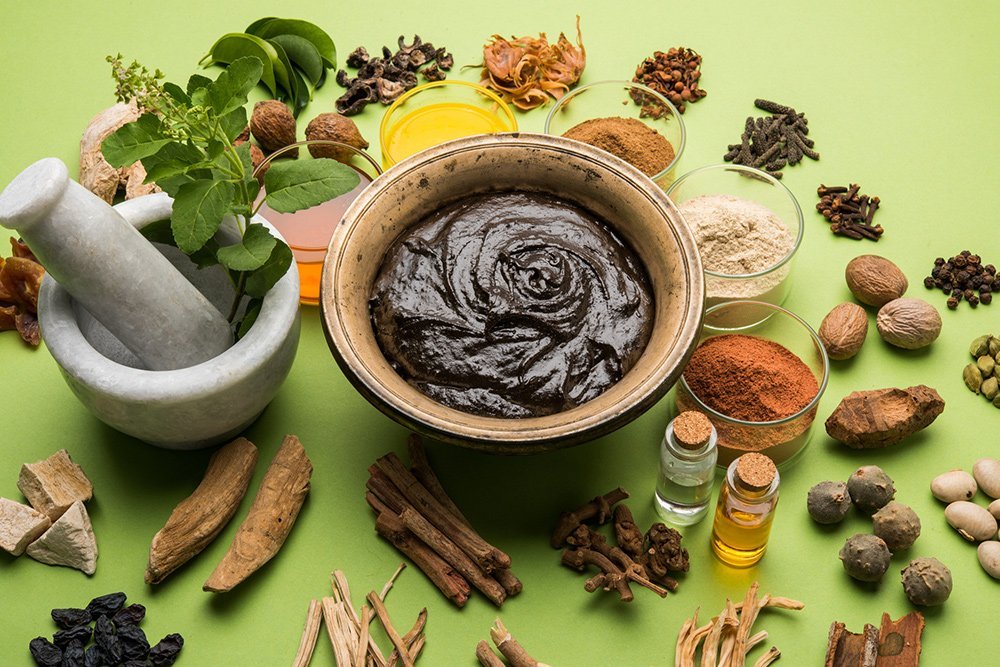
Best Ayurvedic Practices for Kidney Health: Herbs, Diet, and Lifestyle Insights
Best Ayurvedic Kidney Health Remedies and Practices
Explore Ayurveda’s approach to kidney health, including herbs, diet, and daily routines for gentle, preventive care.
Ayurveda offers gentle, holistic ways to support kidney health through herbs, dietary choices, and daily habits. Discover evidence-aligned insights for balanced wellbeing.
Understanding Ayurvedic Practices for Kidney Health
Many people are concerned about how to keep their kidneys healthy, especially as they learn more about the vital role these organs play. While modern medicine remains essential for kidney conditions, many individuals are curious about traditional systems like Ayurveda and their suggestions for prevention and everyday support. This article offers an overview of Ayurvedic wisdom surrounding kidney care, and explains time-tested practices that can be easily incorporated into daily life.
Kidneys: Why Their Health Matters
The kidneys are small, bean-shaped organs that filter waste and extra fluids from your blood. They help maintain the body’s fluid and electrolyte balance, regulate blood pressure, and support bone and red blood cell health. When kidneys are not functioning well, toxins accumulate in the body and essential processes can be disrupted. Early care and prevention are key for lifelong kidney health.
What is Ayurveda’s View on Kidney Wellness?
Ayurveda is an ancient Indian system of medicine that emphasizes balance in the body through natural means. According to Ayurveda, the kidneys are involved in regulating water, salt, and the balance of bodily energies, known as doshas. While Ayurvedic texts use traditional concepts, many of their suggestions for “mutravaha srotas” (the channels governing urine and kidney health) align with principles for overall hydration and toxin elimination.
Common Factors That Can Affect Kidney Health
Several day-to-day factors can put stress on the kidneys, including:
Chronic dehydration due to inadequate water intake
Excessive use of salt or highly processed foods
High intake of painkillers or certain medications
Underlying medical conditions such as diabetes or hypertension
Prolonged urinary tract infections or holding urine for too long
Not all factors can be addressed with lifestyle changes alone, but small preventive measures may help support overall wellness.
Ayurvedic Herbs Traditionally Used for Kidney Health
Ayurveda suggests certain herbs that are believed to gently support kidney function. While these remedies are traditionally used, their effects can vary for each person and should not replace prescribed medical treatments. Some commonly referenced herbs include:
Punarnava (Boerhavia diffusa): Often used for its mild diuretic and anti-inflammatory qualities, punarnava is thought to help reduce fluid retention and support natural cleansing.
Gokshura (Tribulus terrestris): Traditionally used for urinary tract comfort, gokshura may aid in maintaining urinary health.
Varuna (Crataeva nurvala): Recognized in Ayurvedic texts for supporting urinary flow and possibly easing urinary discomfort.
Guduchi (Tinospora cordifolia): Sometimes included for its overall detoxifying properties, guduchi is valued in Ayurveda as a gentle adaptogen, though evidence is still emerging.
Coriander and cumin seeds: Common kitchen spices often included in Ayurvedic kidney health drinks or teas to naturally promote hydration and gentle cleansing.
It is important to approach herbal remedies with care. Scientific research into these herbs is ongoing and their safety, especially when used with certain medications or in people with chronic kidney disease, has not been fully established. Always involve a healthcare expert before trying new supplements.
Ayurvedic Dietary Recommendations for Kidney Care
Ayurveda emphasizes food as a cornerstone of healthy living. Some commonly advised dietary guidelines for kidney wellness include:
Ensuring Adequate Hydration: Drinking enough water supports natural detoxification, unless otherwise directed by a doctor. Ayurveda favors room temperature or warm water, sipped throughout the day.
Reducing Excess Salt and Processed Foods: Minimizing intake of salty snacks and preserved foods helps reduce the burden on the kidneys.
Including Fresh Fruits and Vegetables: Fruits like watermelon and cucumber, and vegetables such as bottle gourd, are valued for their naturally high water content and gentle effect on the body.
Favoring Light, Balanced Meals: Meals that are freshly cooked and easy to digest, such as soups, moong dal (split green gram), and seasonal steamed vegetables, are often recommended.
Avoiding Overly Rich or Spicy Foods: Fried, very spicy, and oily dishes are usually limited, as they can increase the body’s ‘heat’ and may be heavy for the kidneys to process.
Limiting Protein to Moderate Quantities: Ayurveda suggests moderation in protein intake, especially animal protein, for those with kidney concerns.
Personalization is important. Dietary choices should always align with individual health needs, any existing medical advice, and preferences.
Lifestyle Practices in Ayurveda for Kidney Wellness
Ayurveda also focuses on daily routines and overall balance. Simple lifestyle strategies for kidney health may include:
Maintaining a regular sleep schedule
Gentle physical activity like walking or yoga to support metabolism and circulation
Managing stress through breathing techniques, meditation, or mindfulness
Avoiding unnecessary painkillers or over-the-counter medications
Practicing mindful hydration—drinking water when thirsty, not to excess
These habits, rooted in Ayurveda, also align with modern preventive care and can support general wellbeing when practiced consistently.
When to See a Doctor: Important Safety Reminders
Ayurvedic approaches can be supportive, but they are not a substitute for evidence-based medical care. Speak to a healthcare professional:
If you have symptoms such as swelling, unusual fatigue, persistent back pain, blood in the urine, or changes in urination
Before starting any new herb or supplement, especially if you are pregnant, breastfeeding, or taking prescription medications
If you have been diagnosed with kidney disease, diabetes, or heart problems
For advice on individual dietary restrictions or if you notice side effects from any home remedy
All new symptoms should be professionally evaluated and managed. Early diagnosis and medical guidance are critical for kidney health.
Limitations and Responsible Use of Ayurveda
While Ayurveda offers gentle, preventive suggestions, scientific evidence for the effectiveness of many herbal and dietary remedies is still developing. There are risks if herbs are used incorrectly, or if existing medical treatments are stopped in favor of alternative therapies. Always make decisions in partnership with a registered healthcare provider, and use trusted sources for information.
FAQs on Ayurvedic Kidney Health
Can Ayurvedic herbs cure kidney disease?
No. While some herbs may support urinary health, there is no cure for kidney disease in Ayurveda. Always follow your doctor’s treatment plan.
Is it safe to use home remedies if I already have kidney issues?
People with kidney disease need to be especially careful with herbs, supplements, and dietary changes. Consult your nephrologist or dietician before trying new remedies.
How much water should I drink for healthy kidneys?
Adequate hydration is key, but “how much” varies by age, climate, and health conditions. In cases of kidney disease, your doctor will provide personalized advice.
Are Ayurvedic dietary suggestions different from other kidney-friendly diets?
There are similarities, such as limiting salt and processed foods. However, Ayurveda also emphasizes fresh, natural foods and holistic routines.
Can lifestyle changes prevent kidney stones or other kidney problems?
Healthy habits—like staying hydrated, eating a balanced diet, and managing stress—can lower risks for some people. However, genetics and medical history also play a role. Regular check-ups are important.
Building Trust Through Balanced Wellness
At medisecret.com, our goal is to provide clear, balanced, and ethical health information to empower your choices. By blending traditional insights with modern evidence, we hope to support your journey to kidney wellness—always in partnership with trusted medical advice. Preventive care is a lifelong practice, and staying informed is the first step towards better health for you and your loved ones.