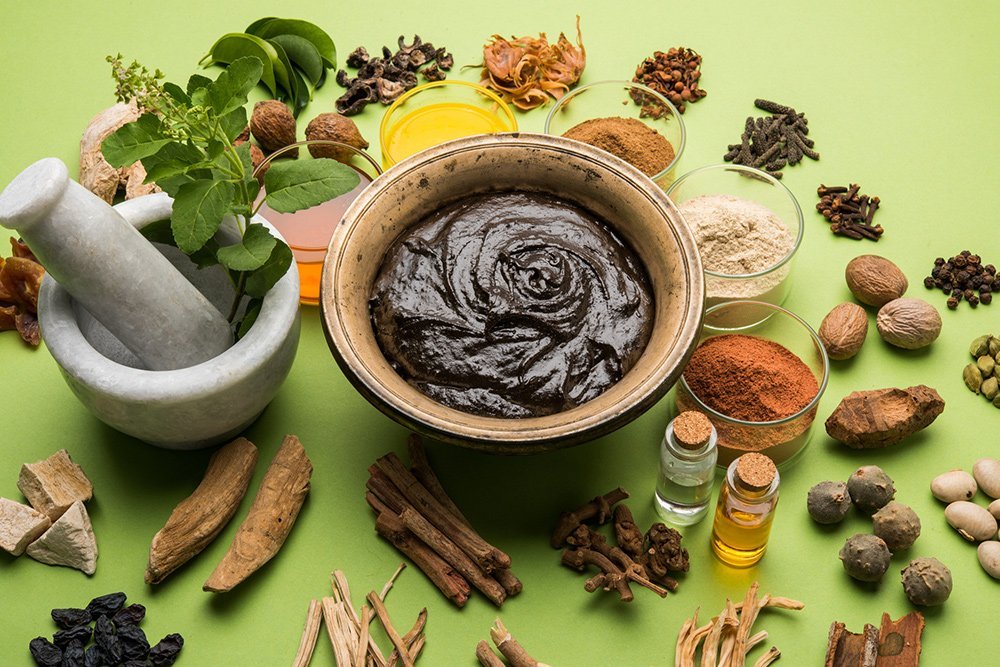
Ayurvedic Practices for Healthy Lungs: Safe Breathing and Lifestyle Guidance
Page title: Ayurvedic Practices for Healthy Lungs | Safe Wellness Tips
Description: Learn how Ayurvedic breathing practices, daily routines, and lifestyle habits may support respiratory well-being safely and responsibly.
Ayurvedic Practices for Healthy Lungs
Many people search for natural ways to keep their lungs healthy, especially when they experience seasonal allergies, exposure to air pollution, or recurring throat and breathing discomfort. Ayurveda, a traditional Indian system of wellness, includes breathing exercises, daily routines, food practices, and approaches intended to support balance in the body.
Some of these practices may complement healthy respiratory habits. However, they should not be viewed as a way to “clean” the lungs, cure lung disease, or replace medical evaluation. Lung health depends on several proven factors, including avoiding tobacco smoke, reducing exposure to pollutants, staying physically active, and seeking appropriate care when symptoms persist.
What Ayurveda says about respiratory well-being
Ayurvedic traditions commonly discuss respiratory health in relation to factors such as daily habits, digestion, environmental exposure, and the balance of doshas. These concepts are part of a traditional health framework and do not directly correspond to modern medical diagnoses.
From a scientific perspective, the lungs work continuously to exchange oxygen and remove carbon dioxide. Their health can be affected by smoking, air pollution, infections, allergies, occupational exposure, asthma, heart conditions, and other medical factors. Ayurvedic practices may support relaxation, mobility, and general well-being, but evidence for many specific lung-related claims remains limited or mixed.
Potentially supportive Ayurvedic practices
1. Gentle breathing exercises
Breathing practices, sometimes called pranayama, may encourage slower, more controlled breathing and improve awareness of breathing patterns. Practices such as diaphragmatic breathing, in which the abdomen gently expands during inhalation, can promote relaxation and reduce unnecessary tension.
A simple approach is to sit comfortably, relax the shoulders, and breathe slowly through the nose without forcing the breath. Practising for a few minutes may be appropriate for many healthy adults.
Breathing exercises should never cause dizziness, chest pain, severe breathlessness, or discomfort. People with asthma, chronic lung disease, heart conditions, or a history of panic symptoms should ask a qualified healthcare professional before beginning intensive breath-holding or forceful breathing techniques.
2. Nasal breathing and nasal comfort
Breathing through the nose helps warm, filter, and humidify incoming air. Some people include gentle nasal breathing in their daily routine, particularly during light activity or relaxation.
Traditional nasal practices, including neti or nasal rinsing, require particular care. If someone chooses to use a nasal rinse, the water must be sterile, distilled, or previously boiled and cooled. The device should be clean, and instructions should be followed carefully. Tap water used directly in the nose can carry organisms that may cause serious infection.
Nasal rinsing may not be suitable for everyone, especially people with frequent nosebleeds, recent nasal surgery, or certain nasal conditions. It is not a treatment for lung disease.
3. A balanced daily routine
Ayurveda places importance on regular sleep, meals, movement, and periods of rest. These habits also align with broader medical guidance for general health.
A supportive routine may include:
– Regular sleep and wake times
– Moderate physical activity suited to individual ability
– Adequate hydration
– Time outdoors when air quality is good
– Breaks from prolonged sitting
– Stress-management practices such as meditation or gentle yoga
Physical activity can help maintain overall fitness and support the muscles used for breathing. Anyone with significant breathlessness, chest symptoms, or an existing medical condition should seek professional guidance before increasing exercise.
4. Reducing exposure to smoke and pollutants
No herbal drink or breathing technique can cancel out the effects of tobacco smoke. Avoiding smoking and second-hand smoke is among the most important steps for protecting lung health. Support is available for people who want to stop using tobacco.
Indoor air quality also matters. Ventilating the home when outdoor air is cleaner, avoiding indoor burning, and limiting exposure to strong fumes may be helpful. When pollution levels are high, checking local air-quality information and reducing strenuous outdoor activity may be sensible, particularly for people with respiratory conditions.
Workplace exposures, including dust, chemical vapours, and industrial particles, may require appropriate protective equipment and occupational health advice.
5. Food and herbal considerations
A varied diet containing vegetables, fruits, whole grains, pulses, nuts, and adequate protein supports general health. Warm fluids may feel soothing for a dry or irritated throat, but they do not remove pollutants from the lungs or cure infection.
Ayurvedic products may contain herbs, minerals, or mixtures of several ingredients. “Natural” does not automatically mean safe. Some products may interact with medicines, affect the liver or kidneys, contain contaminants, or have inaccurate labels. Products containing metals or improperly processed ingredients may carry particular risks.
Speak with a qualified healthcare professional before using herbal supplements, especially during pregnancy, while breastfeeding, before surgery, or if you take regular medicines. Avoid inhaling essential oils, smoke, or herbal vapours as a lung-cleansing method. These substances can irritate the airways and may worsen breathing problems.
What can affect lung health?
Common factors that influence respiratory well-being include:
– Cigarette, vaping, or other tobacco exposure
– Indoor and outdoor air pollution
– Dust, mould, and allergens
– Respiratory infections
– Limited physical activity
– Occupational exposure to chemicals or particles
– Poorly controlled asthma or other health conditions
– Age, family history, and overall health
Ayurvedic practices may be used as part of a broader wellness routine, but they do not remove these underlying risks.
Signs that should not be ignored
Occasional throat irritation may have a minor cause, but ongoing or worsening symptoms deserve medical attention. These may include persistent cough, wheezing, breathlessness during routine activities, chest pain, coughing blood, unexplained weight loss, repeated chest infections, or a noticeable change in usual breathing.
Urgent medical help is needed for severe difficulty breathing, blue or grey lips, confusion, fainting, severe chest pain, or rapidly worsening symptoms. These signs should not be managed with home remedies alone.
A sensible approach to Ayurvedic respiratory wellness
For most people, the safest approach is to combine gentle, low-risk practices with established lung-protection measures:
– Do not smoke, and avoid second-hand smoke
– Keep vaccinations up to date according to professional advice
– Practise gentle breathing rather than forceful breath-holding
– Exercise regularly within personal limits
– Improve indoor ventilation and reduce dust and fumes
– Use safe water for any nasal rinse
– Be cautious with herbal products and inhaled remedies
– Seek medical advice for persistent or concerning symptoms
Ayurveda may offer meaningful cultural and personal wellness practices, particularly for relaxation and daily routine. Its role should be understood realistically, with attention to safety and the limits of available evidence.
Frequently asked questions
Can Ayurvedic practices detox or cleanse the lungs?
The lungs do not require a special detox programme. They naturally clear mucus and particles through protective processes such as coughing and the movement of airway cells. Avoiding smoke and pollutants is more important than using cleansing drinks, vapours, or supplements.
Is pranayama safe for everyone?
Gentle breathing may be comfortable for many people, but intensive techniques, rapid breathing, and prolonged breath-holding are not suitable for everyone. People with heart or lung conditions should seek professional advice first and stop if symptoms develop.
Can herbal remedies prevent lung disease?
There is no reliable evidence that herbal remedies can prevent all lung diseases. Some products may also interact with medicines or contain harmful contaminants. Discuss supplements with a healthcare professional before use.
Does steam inhalation improve lung health?
Steam may temporarily feel soothing for nasal congestion, but it does not treat the underlying cause of breathing problems or improve lung function in a proven way. Hot steam can cause burns, particularly in children, and added oils may irritate the airways.
When should I see a healthcare professional?
Seek advice for a cough that does not improve, recurring wheezing, breathlessness, chest pain, coughing blood, or repeated respiratory infections. Severe or rapidly worsening breathing difficulty requires urgent care.
At medisecret.com, health information is presented with a focus on clarity, caution, and responsible decision-making. Traditional wellness practices can be part of a healthy routine, but informed care also means recognising their limits and seeking professional guidance when symptoms or risks require it.