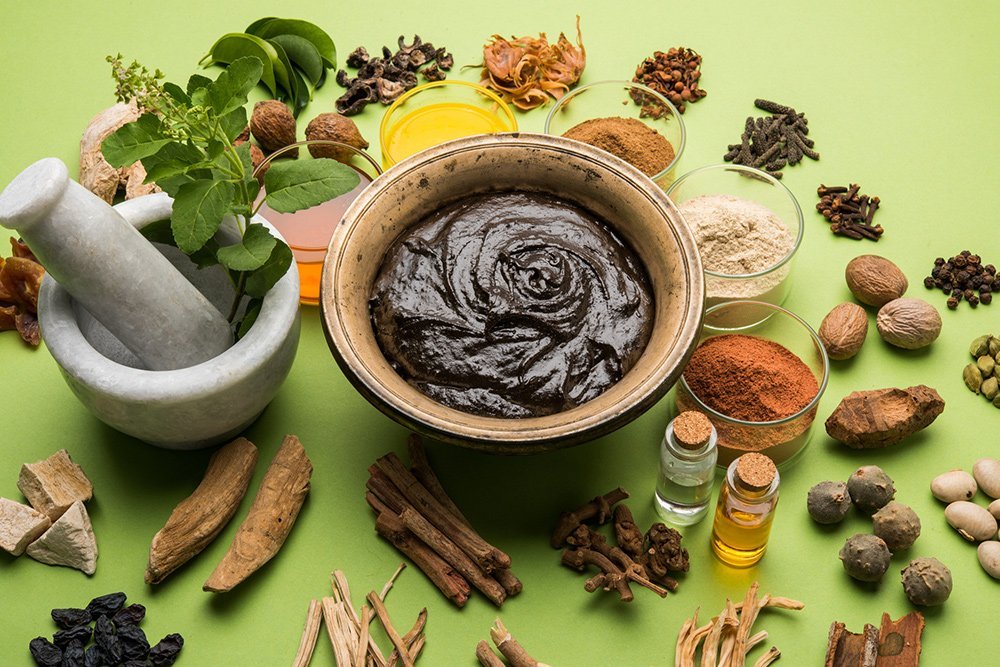
Ayurvedic Remedies for Hair Loss and Growth: Safe, Science-Grounded Guidance
Ayurvedic solutions for hair loss and growth are gaining increased attention from people seeking natural and holistic approaches to hair wellness. If you have wondered how traditional Indian wisdom might support healthier, stronger hair, it’s natural to have questions. This article provides an introduction to core Ayurvedic principles, commonly used herbs, lifestyle habits, and gentle self-care practices—while supporting you in making choices guided by both tradition and sound health knowledge.
Hair Loss and Growth in Ayurveda: An Overview
Ayurveda, India’s ancient health system, emphasizes balance in the body, mind, and spirit. According to Ayurvedic theory, strong and healthy hair flourishes when your internal systems are in harmony—particularly the balance of the three doshas: Vata (air and space), Pitta (fire and water), and Kapha (earth and water). Hair changes such as thinning, breakage, or excessive shedding are often viewed in Ayurveda as signs of an underlying imbalance.
While Ayurvedic remedies can offer support for hair health, it’s important to understand that these are not quick fixes or replacements for medical evaluation where needed. Instead, they may complement overall well-being through holistic care.
Why Hair Health Matters
Hair is not only a reflection of cosmetic beauty, but can also serve as a window to your overall health status. Sudden or persistent hair loss may signal nutritional deficiencies, hormonal changes, stress, underlying medical conditions, or the effects of medications. Ayurvedic care approaches hair health as one element of optimal wellness—emphasizing nourishment, stress management, and mindful routines.
Common Causes and Signs of Hair Loss
Understanding why hair loss occurs can empower you to take more effective steps.
Key contributing factors include:
– Genetics (family history)
– Hormonal shifts (thyroid conditions, menopause)
– Chronic stress or anxiety
– Poor nutrition or crash diets
– Medical issues (alopecia, scalp disorders)
– Side effects from certain medications
– Excessive hair treatments or heat styling
Common signs of concern:
– Gradual thinning at the crown or temples
– Patchy areas of baldness
– Widening hair part or receding hairline
– Unusual shedding or breakage
If you notice any of these changes, especially if rapid or severe, consider consulting a healthcare provider for a thorough assessment rather than relying solely on home remedies.
Core Ayurvedic Herbs and Natural Ingredients
Ayurveda’s approach to hair care is rooted in natural botanicals known for their traditional use:
– Bhringraj (Eclipta alba): Often called “the king of hair,” bhringraj is believed to nourish hair roots and support stronger, shinier hair.
– Amla (Indian gooseberry): Rich in antioxidants and vitamin C, amla is used in oils, masks, and as a dietary addition to promote scalp health.
– Brahmi (Bacopa monnieri): Known for its calming properties, brahmi may help soothe scalp irritation and is commonly blended in hair oils.
– Neem: With natural antimicrobial properties, neem can help address scalp flakiness and build-up that may contribute to weak hair.
– Fenugreek: These seeds are soaked and ground as a paste or used in oils for their potential moisturizing effects on the scalp and strands.
How Ayurvedic Practices May Support Hair Wellness
While individual effects vary and more research is needed, traditional Ayurvedic routines commonly feature:
1. Scalp Massage (Abhyanga): Massaging the scalp with warm herbal oils is believed to stimulate circulation, ease tension, and enhance nutrient delivery to hair follicles. This practice may promote relaxation and benefit people who experience hair loss associated with stress.
2. Dietary Balance: Ayurveda advocates eating according to your dosha and digestive needs. Generally, a diet rich in fresh fruits, leafy greens, proteins, and healthy oils may help maintain strong hair. Foods such as amla, sesame seeds, curry leaves, and coconut are commonly valued.
3. Gentle Cleansing: Traditional Ayurvedic hair washing uses mild, natural cleansers such as shikakai, reetha (soapnut), or homemade pastes, aiming to cleanse the scalp without stripping natural oils.
4. Stress Reduction: Yoga, meditation, or breathing exercises are often recommended to manage daily stress, potentially supporting hair health indirectly.
5. Avoiding Harsh Treatments: Intense heat styling, frequent chemical processing, or vigorous brushing can aggravate hair issues. Ayurveda suggests gentle, protective care to prevent damage.
Lifestyle and Prevention Tips
Small changes inspired by Ayurveda can be incorporated into your daily schedule:
– Establish a consistent hair oil massage routine, 1–2 times weekly.
– Prioritize adequate sleep and regular meal times.
– Choose hairstyles that minimize pulling or tension.
– Use combs with wide, smooth teeth to reduce breakage.
– Protect hair from harsh sunlight and excessive pollution by covering your head when needed.
When to Seek Professional Guidance
While Ayurvedic remedies may offer gentle support, certain hair loss patterns require prompt medical attention, particularly if you notice:
– Sudden, unexplained hair loss
– Hair loss accompanied by other symptoms (itching, pain, rash)
– Significant patches of baldness
– Hair loss after starting a new medication
A qualified dermatologist or trichologist can help identify treatable causes and recommend appropriate next steps. Shared decision-making—combining supportive, traditional habits with professional advice—leads to safer and more sustainable results.
Limitations, Risks, and Safety Considerations
It’s vital to be aware that:
– Herbal products can interact with medications or trigger allergic reactions in some individuals.
– Not all traditional remedies are supported by modern scientific evidence.
– Results vary from person to person, and no remedy is universally effective.
– Discontinue any approach immediately if you experience irritation, increased hair loss, or any adverse effect.
FAQ
1. Are Ayurvedic remedies safe for everyone?
Most Ayurvedic hair care practices use natural ingredients considered gentle for general use. However, sensitivities or allergies are possible, and some herbs can interact with medications. Always conduct a patch test and consult a healthcare provider if you have underlying conditions.
2. How long does it take to see results from Ayurvedic routines?
Ayurvedic approaches emphasize gradual, consistent care rather than overnight change. Small improvements in scalp health or texture may become noticeable in a few weeks, but sustained benefits often require months of regular practice.
3. Can I combine Ayurvedic remedies with modern medical treatments?
Yes, many people blend traditional and modern approaches. It’s important to discuss any herbal preparations with your doctor to avoid potential interactions and ensure safe, coordinated care.
4. What diet changes are recommended in Ayurveda for healthy hair?
Ayurveda suggests a diet rich in fresh produce, proteins, healthy fats, and spices such as curry leaves and amla for balanced nourishment. Avoiding excessive processed foods, refined sugars, or caffeine is also considered helpful.
5. Can stress really make hair loss worse?
Chronic stress is a well-recognized factor in hair shedding, as it can affect hormone levels and blood flow to the scalp. Practicing daily stress management techniques may contribute to healthier hair growth over time.
6. When should I seek help for hair loss?
If hair loss is severe, sudden, painful, or affects your confidence and daily life, reach out to a dermatologist or hair health specialist for thorough assessment and advice.
Caring for your hair is an important part of overall well-being. Integrating elements of Ayurvedic tradition can promote a sense of balance and self-nurture. At medisecret.com, we believe in informed, responsible wellness—helping you make choices backed by trustworthy knowledge and long-term safety. For any persistent concerns, professional evaluation is always the wisest step.