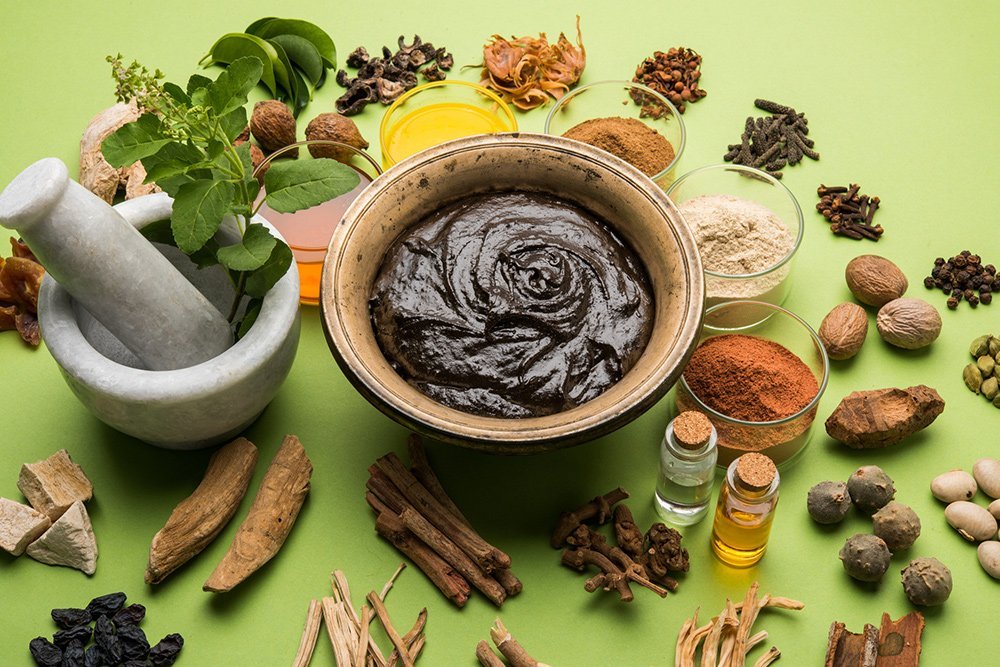
Natural Hair Care Tips from Ayurveda: Gentle Methods for Healthier-Looking Hair
Nourish Your Hair Naturally with Timeless Ayurvedic Wisdom
Discover simple Ayurvedic hair care tips—including scalp massage, herbal rinses, and daily habits—to naturally support healthier-looking hair.
Caring for Your Hair the Ayurvedic Way
Many people feel concerned about hair health—wondering how to nurture their hair naturally, manage dryness, or minimize breakage without harsh chemicals. Ayurveda, an ancient system of health rooted in India, offers gentle traditions for mindful hair care. These practices focus on creating balance in the body and mind and emphasize prevention, daily rituals, and natural ingredients.
This guide explores how foundational Ayurvedic principles can support your hair’s natural beauty. By understanding the basics, making thoughtful choices, and tuning into your body’s needs, you can develop a routine that feels personalized, sustainable, and supportive—whatever your hair type.
Understanding Ayurvedic Hair Care
Ayurveda believes that hair health reflects both external and internal balance. According to Ayurvedic philosophy, a combination of inherited traits, lifestyle, nutrition, and environmental factors all shape the appearance and feel of your hair. Ayurvedic hair care focuses on these key principles:
1. Routine: Gentle, consistent care—rather than quick fixes.
2. Customization: Selecting methods and herbs that suit your individual constitution (“dosha”).
3. Mind-body Connection: Recognizing how stress, sleep, and digestion affect hair.
4. Natural Ingredients: Emphasis on traditional plant oils, herbs, and cleansing agents.
Why Ayurvedic Hair Practices Matter
Balanced hair care can help maintain a healthier scalp, reduce day-to-day stress, and promote a sense of well-being. While Ayurveda does not promise cures or transformations, its practices encourage self-awareness, self-care, and connection to natural rhythms. This may help the hair look and feel fuller, softer, and more manageable over time.
Common Factors Influencing Hair Health
Healthy-looking hair depends on many elements, including:
– Genetics
– Nutrition and hydration
– Mental and emotional balance
– Environmental exposure (pollution, sun, water)
– Hair handling and styling habits
– Scalp condition (dryness, oiliness, flakiness)
Ayurveda views imbalances in these areas as potential contributors to hair concerns like dryness, dullness, increased fall, or breakage. Recognizing and addressing these factors, when possible, can gently support your hair’s natural condition.
Key Ayurvedic Hair Care Tips for Everyday Life
1. Scalp Massage with Herbal Oils
Regularly massaging the scalp with warm herbal oils is a core Ayurvedic practice. This gentle ritual may:
– Encourage relaxation and circulation
– Soothe dry or irritated scalp skin
– Coat strands, reducing friction and breakage
Commonly used oils include coconut, sesame, amla (Indian gooseberry), or bhringraj. Each oil is chosen based on your hair’s needs and the qualities you prefer (for example, coconut oil is often used for its light feel). Warm the oil slightly, apply to the scalp, and massage gently using small circular motions. Leave on for at least 30 minutes, or overnight if comfortable, before rinsing.
2. Choosing the Right Cleanser
Instead of harsh detergents, Ayurveda recommends gentle, plant-based cleansers like shikakai, reetha (soapnut), or hibiscus. These can be used as powders or in infusions to cleanse the scalp without stripping natural oils. If you’re trying these for the first time, do a patch test and observe how your scalp responds.
3. Herbal Rinses for Shine and Balance
Herbal rinses are often used after cleaning the hair. Rinses made from ingredients like neem leaves, amla, hibiscus flowers, or fenugreek seeds can help condition the scalp and impart a mild shine. Steep the herbs in hot water, cool the mixture, and pour it over freshly washed hair as a final rinse.
4. Mindful Brushing and Handling
Be gentle when detangling wet hair, which is especially vulnerable. Use a wide-toothed wooden comb and avoid vigorous brushing. If you braid your hair, keep it loose to prevent tension at the scalp and minimize breakage.
5. Diet and Lifestyle Support
Ayurveda holds that a wholesome, varied diet rich in fruits, vegetables, healthy fats, and adequate hydration supports hair from within. Regular activity, stress management, and quality sleep all contribute to overall well-being—including the scalp and hair.
6. Protecting Your Hair Naturally
Reduce exposure to strong sun, excessive heat-styling, or chlorinated water when possible. Covering your hair with a scarf or hat outdoors, and using gentle, natural fabrics for pillowcases, are simple ways to minimize friction and prevent dryness.
When to Seek Professional Advice
Most natural hair care methods are safe for everyday use, but if you notice sudden changes in your hair (such as unexpected thinning, significant shedding, or persistent scalp discomfort), it’s important to consult a healthcare provider or dermatologist. Underlying health issues or nutritional imbalances may need to be addressed.
Ayurvedic hair care is generally gentle, but everyone’s skin and scalp can react differently—especially to new herbs or oils. Stop use if you experience irritation, redness, or itching, and seek medical advice if symptoms persist.
Limitations and Responsible Use of Ayurveda
While many people enjoy Ayurvedic hair rituals, these are not substitutes for medical treatment or a guarantee of results. Traditional practices are meant to complement, not replace, evidence-based care where needed. Ayurveda offers support for overall well-being, but scientific studies on specific hair growth claims are limited.
Stay informed by approaching new remedies thoughtfully, listening to your body, and considering a healthcare expert’s perspective if you have known skin or health concerns.
Frequently Asked Questions
1. Can Ayurvedic oils make my hair grow faster or thicker?
Ayurvedic oils can promote scalp comfort and may improve your hair’s appearance, but there is no scientific evidence that they can significantly boost hair growth or thickness.
2. Are there any risks in using herbs or oils on my hair?
Most Ayurvedic herbs and oils are safe for topical use, but some people may experience allergic reactions or irritation. Always do a patch test before trying new ingredients.
3. How often should I follow an Ayurvedic hair care routine?
The frequency depends on your hair type and comfort. Many people practice oil massage and herbal cleansers once or twice a week, but this can be adjusted as needed.
4. Can I combine Ayurvedic hair care with modern shampoos and conditioners?
Yes, you can blend traditional and modern routines. Introduce Ayurvedic methods gradually, and observe how your scalp and hair respond.
5. Who should avoid using Ayurvedic hair remedies?
Individuals with known allergies to specific herbs, medical skin conditions, or those undergoing treatment should consult a healthcare provider before trying any new topical regimen.
6. Does Ayurveda work for every hair type?
Ayurveda emphasizes customizing care to suit individual needs. Some ingredients may work better for some hair types than others, so gentle experimentation is key.
At Medisecret.com, your well-being and informed choices come first. Our aim is to provide balanced, reliable, and responsible health guidance—empowering you to explore time-tested traditions like Ayurveda with clarity and confidence. Always listen to your body, make thoughtful decisions, and consult with experts when needed as you care for your hair and overall health.