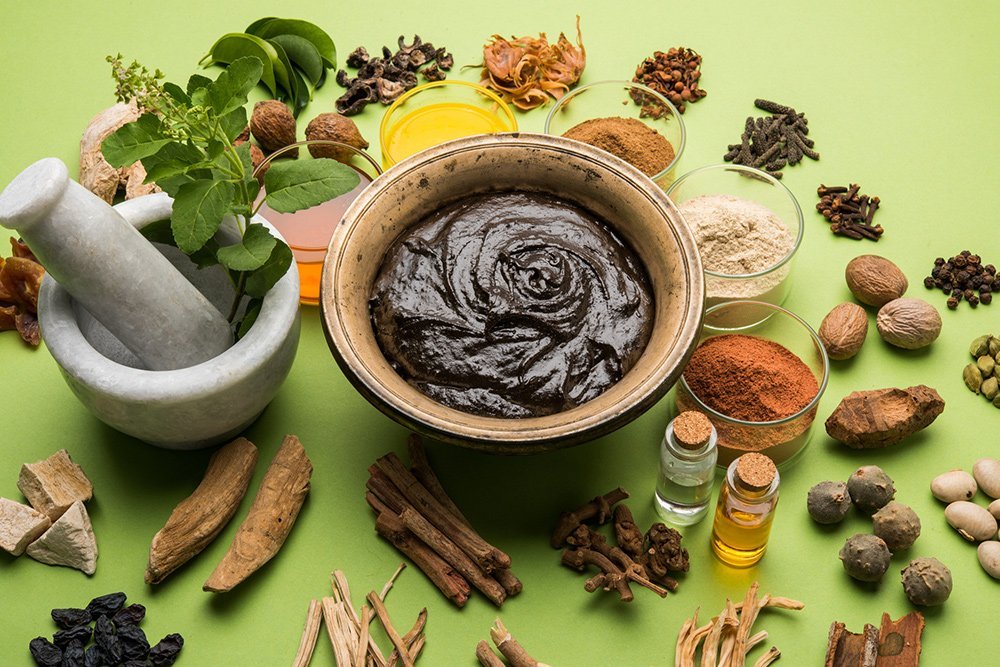
Ayurvedic Remedies for Menstrual Health: Herbs, Routines, and Self-Care
Ayurvedic Approaches to Menstrual Well-Being
Explore Ayurvedic herbs, diet, and daily self-care to naturally support menstrual comfort. Learn safe, simple tips for menstrual health.
Menstrual health is a vital part of overall well-being, yet many people experience discomfort, irregularity, or other concerns with their monthly cycles. While conventional medicine provides valuable support, some individuals turn to traditional approaches like Ayurveda to complement their care. This article explains common Ayurvedic principles for menstrual health, including herbal options, diet, and daily routines—all explained simply and responsibly.
Understanding Menstrual Health in Ayurveda
Ayurveda, a holistic health system originating in India, views menstrual cycles as a reflection of overall balance in the body. In Ayurvedic philosophy, well-functioning digestion, balanced hormones, and emotional stability all contribute to healthy menstruation. The body and mind are thought to be governed by three energies, or doshas: Vata (movement), Pitta (transformation), and Kapha (stability).
When these energies are in harmony, menstrual cycles are often regular and comfortable. Imbalances may appear as irregular periods, heavy flow, mood changes, or discomfort.
Why Menstrual Health Matters
Menstrual health is closely linked with hormonal balance, reproductive well-being, and emotional resilience. Addressing menstrual symptoms—whether physical or emotional—can improve quality of life. Ayurveda promotes preventive self-care, encouraging people to notice early signs of imbalance and to use gentle, everyday practices to support their bodies.
Common Menstrual Concerns: An Ayurvedic View
Many people experience one or more of the following during their menstrual cycles:
– Abdominal or back discomfort
– Bloating or digestive changes
– Mood fluctuations
– Fatigue or low energy
– Irregular cycle timing
Ayurveda suggests these symptoms may reflect underlying imbalances in digestion, stress, sleep, or dietary habits. It aims to gently restore equilibrium, not merely suppress symptoms.
Ayurvedic Remedies: Herbs, Diet, and Lifestyle
Ayurveda encourages a multi-faceted approach to menstrual health, using supportive herbs, mindful eating, and daily routines.
Ayurvedic Herbs Commonly Used
Traditional Ayurvedic practitioners may recommend the following herbs for general menstrual comfort. These are not substitutes for medical care, and scientific evidence varies:
– Shatavari: Often called the “queen of herbs” for female well-being, it is believed to support hormonal balance.
– Ashoka: Sometimes used to promote comfort during cycles.
– Lodhra: Traditionally thought to help regulate cycles and support uterine health.
– Ginger: Used for gentle relief from abdominal discomfort.
– Turmeric: Known for its antioxidant and calming properties.
It is important to remember that individual responses to herbs vary. Not all Ayurvedic herbs have been extensively studied in modern clinical research. Always speak to a healthcare provider before starting any new supplement, especially if you have health conditions or take medication.
Dietary Guidance in Ayurveda
Ayurveda emphasizes eating easy-to-digest, nourishing foods before and during menstruation, including:
– Warm, cooked grains (rice, oats)
– Steamed vegetables
– Soups and stews
– Warm water and herbal teas
Foods that are very cold, fried, or heavily processed may be harder to digest and are generally limited around menstruation.
Some people benefit from increasing healthy fats (like ghee or sesame oil) and reducing caffeine or very spicy foods, as guided by their comfort and preferences.
Daily Self-Care Practices
Gentle self-care is valued in Ayurveda to foster calm and balance. Simple practices may include:
– Restful sleep and short daytime breaks
– Warm oil massage (abhyanga) with sesame or almond oil
– Gentle movement, such as yoga or stretching
– Mindful relaxation or breathing exercises
Listening to the body’s need for rest and comfort during the menstrual cycle is key.
Morning and Evening Routines
Establishing predictable Daily Routines (Dinacharya) can support regular cycles:
– Morning: Gentle stretching, light herbal tea, and a nourishing breakfast.
– Evening: Calming herbal teas, warm baths, and screen-free relaxation before bed.
When to Seek Medical Advice
Natural approaches can support well-being, but they are not a replacement for medical evaluation. Consult a healthcare professional if you experience:
– Very heavy or prolonged bleeding
– Severe pain that limits daily activities
– Missed periods not explained by age or life factors
– Symptoms like fever, fainting, or unusual discharge
Prompt attention ensures that underlying health issues are addressed.
Limitations and Safety
While Ayurvedic principles can offer comfort and promote awareness of menstrual health, not all remedies suit everyone. Herbal remedies can interact with medications or cause unwanted effects. Individuals with hormonal conditions, chronic illnesses, or those who are pregnant should consult their doctor before making changes.
Ayurveda underscores prevention, balance, and the body’s own wisdom—but always within the guardrails of evidence and safety.
Frequently Asked Questions
Are Ayurvedic herbs safe for everyone?
Not all herbs are suitable for everyone. Individual factors, existing health conditions, and possible interactions with medications must be considered. Always consult a doctor before starting herbal supplements.
Can Ayurvedic remedies replace conventional treatment?
No. Ayurvedic approaches are best viewed as supportive or complementary. They are not a substitute for medical care, diagnosis, or treatment.
How long do Ayurvedic practices take to show results?
Responses vary greatly. Some people notice small changes in comfort or routine quickly, while others may need weeks or months. Sustainable changes come from consistency and attention to overall lifestyle.
Is it safe to use home remedies during menstruation?
Simple self-care practices, like gentle stretching or warm showers, are generally safe for most people. However, herbal supplements, oils, or new practices should be used with caution and discussed with a qualified healthcare provider.
Does Ayurveda address emotional symptoms of menstruation?
Yes, Ayurveda recognizes the mind-body connection. Practices like mindful breathing, adequate rest, and certain herbs or teas (as appropriate) are often recommended to support emotional well-being.
Does Medisecret.com offer medical advice?
No. Medisecret.com aims to provide trustworthy, research-informed educational resources only. For personal medical concerns, always consult a certified healthcare provider.
Taking the Next Step
Every person’s menstrual experience is unique. By understanding supportive traditional approaches alongside modern medical insight, you can make informed decisions about your well-being. Medisecret.com is dedicated to transparent, patient-first information—helping you navigate your health choices safely and confidently, without pressure or promises.