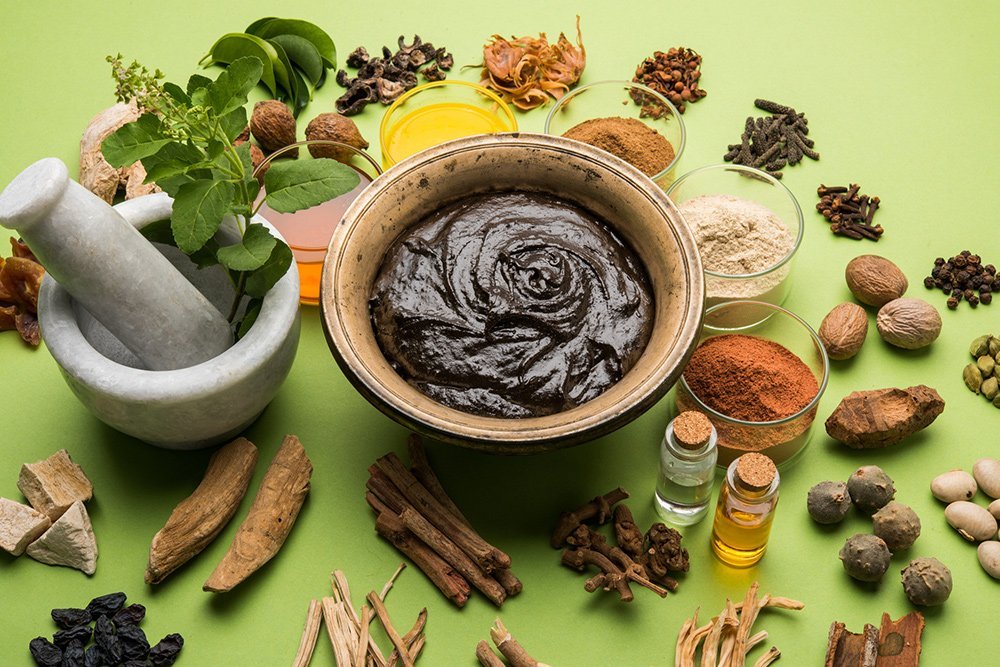
Natural Solutions for Menopause: An Ayurvedic Guide to Balance and Wellbeing
Natural Solutions for Menopause: An Ayurvedic Perspective
Discover evidence-aligned natural menopause care, including Ayurvedic diet, herbs, and lifestyle tips, to help you feel balanced and supported through change.
Menopause is a natural stage in every woman’s life, often marked by hormonal changes that can trigger a variety of symptoms. Hot flashes, mood shifts, disturbed sleep, and fatigue—these are familiar challenges for many. While conventional medicine can offer support, a growing number of women are seeking natural solutions rooted in Ayurveda, India’s ancient holistic health system. How does Ayurveda approach menopause, and what can it realistically offer for lasting wellbeing?
What Is Menopause and Why Does It Matter?
Menopause is the permanent end of menstruation, usually occurring between ages 45 and 55. It’s a major hormonal milestone, bringing reduced levels of estrogen and progesterone. These hormonal changes can affect not only the reproductive system but also mood, metabolism, bone health, and more. Some women glide through menopause with few concerns, while others face uncomfortable symptoms.
Why does this natural transition matter for health? Beyond symptom relief, menopause signals long-term changes in the body. Understanding and supporting your wellbeing during this time can make a real difference in quality of life, energy levels, and even long-term health outcomes.
Ayurveda’s Approach to Menopause
Ayurveda views menopause not as an illness, but as a natural passage deserving gentle support. It aims to restore balance—body, mind, and spirit—based on your individual constitution, known as doshas (Vata, Pitta, and Kapha). Menopausal symptoms are often linked to an aggravation of Vata (governing movement, dryness, and change) and sometimes Pitta (responsible for heat and transformation).
The Ayurvedic approach involves:
– Identifying your unique dosha balance
– Understanding which symptoms stem from imbalances
– Personalizing food, lifestyle, and herbal routines to restore equilibrium
Common Menopausal Symptoms in Ayurvedic Context
Many symptoms familiar to menopause are interpreted through the lens of dosha imbalance:
– Hot flashes and irritability may signal aggravated Pitta
– Joint pains, dry skin, and insomnia often relate to high Vata
– Weight gain and sluggishness are sometimes linked with excess Kapha
Recognizing the dominant symptoms guides supportive measures.
Natural Dietary Guidance for Menopause
Ayurvedic nutrition emphasizes foods that are grounding, nourishing, and easy to digest. During menopause, diet becomes a powerful foundation for stability.
– Favor cooked, warm meals: Soups, stews, porridges, and easily digested grains (like rice and millets) are soothing for Vata.
– Include healthy fats: Ghee, sesame oil, and moderate use of nuts and seeds can help reduce dryness.
– Emphasize seasonal vegetables: Lightly cooked greens, squashes, and carrots offer gentle nutrition.
– Use gentle spices: Turmeric, cumin, coriander, and fennel support digestion without overheating.
– Hydrate consistently: Warm herbal teas and water help with dryness and circulation.
Limit caffeine, acidic foods, and excess sugar, as these can irritate digestion and exacerbate symptoms.
Supportive Ayurvedic Herbs: What’s Known and What’s Not
Certain traditional herbs are used in Ayurveda to support menopausal health. While modern research varies, commonly referenced herbs include:
– Ashwagandha (Withania somnifera): Known for supporting stress resilience and overall vitality
– Shatavari (Asparagus racemosus): Used for women’s hormonal balance and cooling properties
– Guduchi (Tinospora cordifolia): Traditionally used for immune support and reducing heat
– Brahmi (Bacopa monnieri): Famed for its calming effects on mood and cognitive function
It’s important to note that while these herbs have a long history in Ayurvedic practice, scientific evidence is still emerging. Some may interact with medications or have side effects. Always consult with a qualified healthcare professional or Ayurvedic practitioner before adding herbal remedies to your routine.
Daily Lifestyle and Self-Care in Ayurveda
Ayurveda emphasizes the importance of daily routines (Dinacharya) and self-care practices to stabilize physical and emotional shifts.
– Abhyanga (warm oil massage): Regular self-massage with sesame or almond oil can ease dryness, soothe nerves, and promote restful sleep.
– Yoga and gentle movement: Poses and stretches that focus on grounding help manage stiffness and calm anxiety.
– Routine sleep schedule: Going to bed and waking at similar times supports hormonal regulation.
– Mindful relaxation: Simple breathwork (pranayama), meditation, and quiet time nurture emotional balance.
Ayurveda encourages consistency over intensity—small, sustainable daily habits have the strongest effects over time.
When to Seek Medical Support
Ayurveda is a supportive system and can offer comfort to many women during menopause, but it’s not a replacement for medical care when needed. Always consult a healthcare provider if you experience:
– Heavy, prolonged, or unexpected vaginal bleeding
– Severe mood changes, anxiety, or depression
– Sudden, unexplained weight loss or gain
– New, persistent pain or discomfort
Any herbal supplements should be reviewed with your doctor, especially if you take medications or have existing health conditions.
What Can Ayurveda Realistically Offer for Menopause?
Ayurveda can provide gentle guidance for symptom management, balance, and daily self-care during menopause. However, it is important to have reasonable expectations:
– Ayurveda is not a substitute for medical diagnosis or treatment of serious conditions
– The goal is to support the body’s natural equilibrium—not to erase menopause or promise “cure-alls”
– Results are highly individual and best achieved when combining self-care, mindful nutrition, and medical guidance
Responsible use of Ayurvedic principles can foster a sense of empowerment and resilience during this life stage.
Common Questions About Menopause and Ayurveda
Is Ayurveda safe for menopause?
Ayurvedic principles of diet, routine, and simple self-care are generally safe when thoughtfully applied. Herbal remedies should only be used under the guidance of a qualified practitioner.
Can Ayurvedic remedies replace hormone therapy?
Ayurveda is best seen as a complementary approach. Some women use lifestyle and herbal support alongside conventional care. Decisions about hormone therapy should always be discussed with a certified healthcare provider.
How long until Ayurvedic changes help menopause symptoms?
Many women notice gentle improvements after a few weeks of consistent self-care. However, changes are gradual and individualized, and not all symptoms may be fully relieved.
Are Ayurvedic herbs well-studied for menopause?
While some herbs have centuries of traditional use, modern scientific research is still catching up. Results vary, and quality, safety, and possible interactions should be carefully considered.
Can I start Ayurvedic practices at any stage of menopause?
Yes. The guiding Ayurvedic routines—nutritious food, regular movement, adequate rest, and stress reduction—can benefit women before, during, and after menopause.
A Responsible Approach to Menopause Wellness
Navigating menopause can be challenging, but it’s also an opportunity to reflect, reset, and care for your health in new ways. Ayurveda offers a gentle, holistic perspective that empowers women to find comfort, balance, and resilience. By combining evidence-aligned natural practices with modern medical advice, you can make informed choices for your individual wellbeing. Medisecret.com is committed to supporting you on this journey with trusted, research-informed guidance and respect for your personal experience.