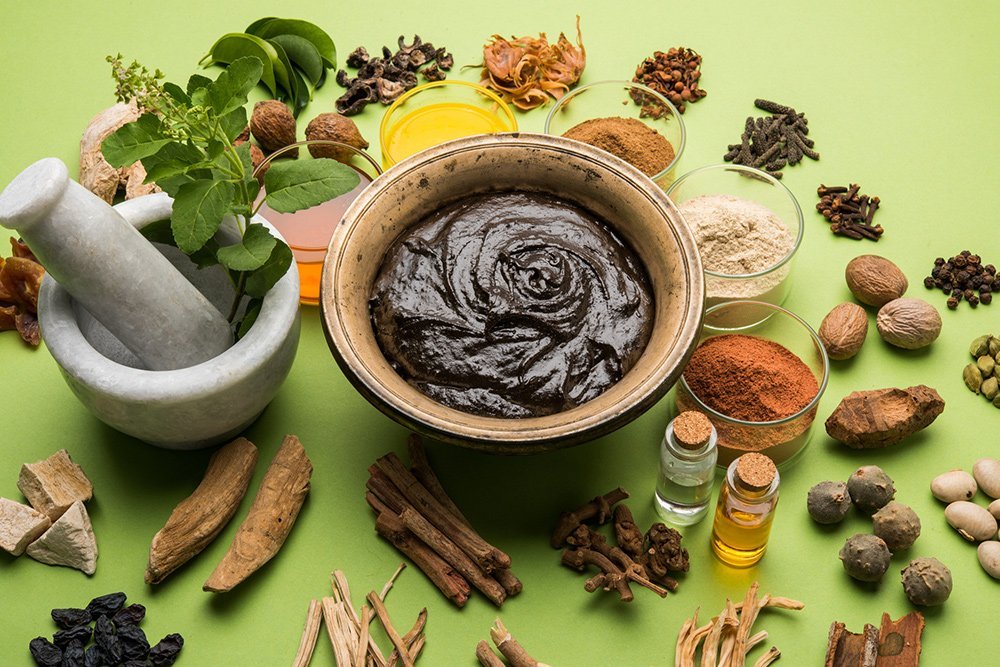
Ayurvedic Wisdom: Balancing Vata, Pitta, and Kapha for Everyday Wellness
Ayurvedic Wisdom: Balance Vata, Pitta, and Kapha
Discover Ayurvedic tips to balance Vata, Pitta, and Kapha for daily well-being. Learn how simple lifestyle choices support harmony—no medical advice given.
Balancing Vata, Pitta, and Kapha: An Everyday Guide
Many people look to traditional wisdom for a sense of balance in their fast-paced lives. Ayurveda, an ancient Indian medical system, provides a holistic understanding of how our unique mind-body types—called doshas—affect our health and well-being. But what does it mean to “balance your doshas”? How can simple changes help you feel more centered day to day?
What Are Vata, Pitta, and Kapha?
In Ayurveda, everyone has a unique blend of three core energies, or doshas: Vata, Pitta, and Kapha. Each person’s constitution (prakriti) is different, but most people have one or two dominant doshas.
Vata: Represents air and space. It’s linked to movement, creativity, and flexibility.
Pitta: Represents fire and water. It’s associated with digestion, metabolism, and drive.
Kapha: Represents earth and water. It’s connected to stability, calmness, and support.
Balancing these energies is believed to promote harmony, while imbalance may lead to common discomforts or feelings of unease. Ayurveda encourages gentle lifestyle and dietary practices to help keep your doshas in a supportive range, leading to a sense of well-being.
Why Balancing Doshas Matters
According to Ayurveda, imbalances can show up as changes in digestion, mood, energy, or sleep. For example, someone with excess Vata might feel restless or anxious, while too much Kapha could cause sluggishness. By tuning in to your dosha’s tendencies and needs, you may find practical ways to support your body and mind’s natural rhythms.
It’s important to note that Ayurveda is a traditional wellness approach and not a substitute for modern medical care. While many people use Ayurvedic principles as part of a healthy lifestyle, always consult a healthcare professional regarding symptoms or health conditions.
Recognizing Each Dosha in Daily Life
You may notice your dominant dosha(s) through certain physical or emotional patterns. Here’s a simplified overview:
Vata:
– Physically: Thin frame, dry skin, unpredictable appetite, light sleep.
– Emotionally: Quick thinking, creative, prone to worry if unbalanced.
Pitta:
– Physically: Medium build, warm body temperature, sharp appetite, prone to redness.
– Emotionally: Focused, driven, easily irritated when out of balance.
Kapha:
– Physically: Sturdy build, smooth skin, steady appetite, deep sleep.
– Emotionally: Calm, empathetic, may feel low motivation when imbalanced.
These are general patterns; everyone contains aspects of all three doshas.
Common Causes of Imbalance
Modern life often challenges our natural balance. Some contributing factors include:
– Irregular eating or sleeping routines
– Excessive screen time or overstimulation
– Chronic stress
– Highly processed or unsuitable foods for your constitution
– Environmental changes (such as seasonal shifts)
Simple Ayurvedic Guidance for Balance
While specialized Ayurvedic care is personalized, some gentle, generally safe practices may help most people feel more grounded. Consult a qualified Ayurvedic practitioner or a healthcare professional for advice tailored to your situation.
For Vata Balance:
– Stick to regular routines for meals and sleep
– Favor warm, cooked foods like stews and soups
– Incorporate gentle movement, like yoga or walking
– Stay warm and hydrated
For Pitta Balance:
– Prefer cooling foods (cucumbers, melons, leafy greens)
– Avoid overexertion and overheating
– Take breaks for relaxation and mindfulness
– Practice kindness to self and others
For Kapha Balance:
– Engage in regular, brisk activity to boost energy
– Favor light, warming foods (spices, pulses, leafy vegetables)
– Limit heavy or oily foods
– Allow inspirational activities into your routine
Daily Self-Care and Listening to Your Needs
Ayurveda encourages mindfulness—being aware of how foods, environments, and routines affect you. Consider simple daily check-ins:
– Are you feeling tired or restless?
– Are you craving certain foods?
– Has your routine been irregular or stressful?
– How is your sleep and digestion?
Small adjustments, like eating at the same time each day or taking a walk outside, can help restore balance over time.
When to Seek Professional Guidance
While Ayurveda’s lifestyle insights can support well-being, they are not a replacement for medical care. You should consult a qualified healthcare provider if you:
– Experience persistent physical or mental health symptoms
– Have a chronic medical condition
– Notice significant changes in mood, sleep, appetite, or energy
A trained Ayurvedic practitioner can also help you understand your dosha profile and suggest safe, evidence-informed strategies. Always discuss any new wellness approach with your primary care provider, especially if you have underlying health issues.
Limitations and Responsible Use
Ayurveda is a holistic, traditional system. While its lifestyle guidance can be supportive, not all concepts have been validated by modern clinical research. Individual results will vary, and some recommendations may not suit everyone. It is important to make informed, safe decisions on your health journey.
This article does not provide a medical diagnosis or treatment. For health concerns, always seek input from licensed medical professionals.
Frequently Asked Questions
How do I know my dosha?
A trained Ayurvedic practitioner assesses your physical, mental, and behavioral traits through questionnaires and observation. You can find general online quizzes, but professional evaluation is more accurate.
Can I have more than one dominant dosha?
Yes. Many people are “dual dosha” types, such as Vata-Pitta or Pitta-Kapha. It’s normal to have a mix, with one usually more prominent.
Are Ayurvedic diets safe for everyone?
Ayurvedic dietary guidance emphasizes balance and whole foods, which are generally safe for most people. However, specific diet changes should be discussed with your healthcare provider, especially if you have health conditions or dietary restrictions.
Do I need to follow strict rules to benefit from Ayurveda?
No. Small, mindful adjustments to daily routines or food choices can be beneficial. Ayurveda emphasizes gradual, sustainable lifestyle changes rather than strict rules.
Can Ayurveda replace modern medicine?
No. Ayurveda provides complementary lifestyle guidance but should not replace necessary medical care. Always use both traditional and modern insights responsibly.
Does balancing doshas cure health problems?
Balancing doshas may support a sense of well-being, but it is not a guaranteed cure or substitute for medical treatment. Persistent symptoms or serious health issues require professional evaluation.
Trust, Transparency, and Responsible Wellness
Medisecret.com is committed to providing health information that empowers you to make safe, informed choices. We honor the wisdom of holistic traditions like Ayurveda while remaining grounded in responsible science and ethical guidance. For any health concern, professional medical advice is always recommended. Your well-being is at the heart of everything we do.