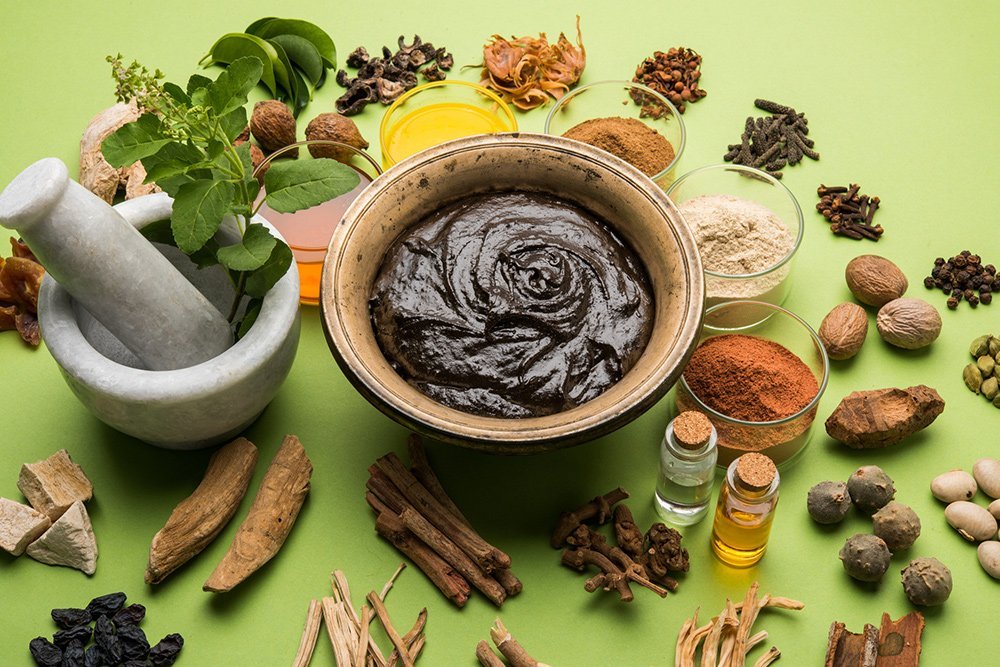
Herbal Allies for Stress and Anxiety: An Ayurvedic Guide to Natural Calm
Herbal Remedies for Stress: Ayurveda’s Approach
Discover Ayurvedic herbs and holistic lifestyle tips to support calmness and resilience; learn safe, gentle ways to manage stress naturally.
In today’s fast-paced world, many people look for holistic ways to cope with stress and anxiety. Ayurveda, an ancient Indian system of medicine, offers gentle, plant-based solutions that have been used for thousands of years. While these remedies are not a replacement for professional care, they can complement modern approaches and empower individuals to build resilience and mental calmness.
Understanding Stress and Anxiety: An Ayurvedic View
Stress is a natural response to challenges—like tight deadlines, major life events, or even daily hassles. In Ayurveda, stress and anxiety are seen as imbalances in the mind-body system (called doshas: Vata, Pitta, and Kapha). When Vata dosha becomes aggravated, for example, it is said to trigger feelings of anxiousness, restlessness, and worry.
Chronic, unmanaged stress can affect sleep, digestion, immunity, and overall well-being. That’s why many turn to time-tested herbal allies and mindful practices to restore balance.
Why Addressing Stress Matters
Prolonged stress is linked to issues such as fatigue, mood swings, decreased immunity, and even risk of heart problems. While some stress is unavoidable, learning to manage it healthily supports mental clarity, emotional balance, and physical resilience.
Common Ayurvedic Herbs for Stress and Anxiety
Ayurveda uses a variety of herbs known as rasayanas, believed to support the nervous system and promote calmness. Below are some of the most widely respected:
Ashwagandha (Withania somnifera)
Traditionally called the “strength of the stallion,” ashwagandha is used in Ayurveda to support vitality, reduce fatigue, and encourage relaxation. Modern research suggests it may help manage the body’s response to stress by balancing cortisol levels.
Brahmi (Bacopa monnieri)
Known as a “memory herb,” Brahmi is believed to calm the mind and support cognitive function. It is often used for improving focus and easing anxiety.
Jatamansi (Nardostachys jatamansi)
Valued for promoting restful sleep and soothing irritability, jatamansi’s calming effects have made it a staple in Ayurvedic stress formulas.
Tulsi (Ocimum sanctum or Holy Basil)
Revered as the “Queen of Herbs,” tulsi is used to uplift mood, support resilience, and protect against the negative effects of stress.
Shankhpushpi (Convolvulus pluricaulis)
Often included in Ayurvedic mind tonics, shankhpushpi is said to help with nervousness and mental fatigue.
Please note that while these herbs have a historical record of use and some emerging scientific support, results can vary, and safety considerations (such as allergies or interactions with medications) must be taken into account.
How to Incorporate Ayurvedic Herbs into Daily Life
Ayurvedic herbs can be consumed in various ways, including:
Herbal teas: For example, tulsi or brahmi tea during the day, or jatamansi tea in the evening
Powders: Ashwagandha or brahmi powder can be blended with warm milk or smoothies
Capsules: Standardized extracts offer convenience and measured doses
Cooking: Fresh tulsi leaves or a pinch of ashwagandha powder can be added to meals
Always start with small amounts, observe your body’s response, and consult a qualified healthcare provider—especially if you have medical conditions, are pregnant, breastfeeding, or taking prescription medicines.
Complementary Ayurvedic Approaches for Managing Stress
Ayurveda emphasizes a holistic approach. Herbs work best alongside supporting habits:
Mindfulness and Meditation
Daily meditation, deep breathing, and mindful movement (like slow yoga or walking) have been shown to lower stress hormone levels and promote relaxation.
Balanced Diet
Favor warm, nourishing foods—like cooked vegetables, whole grains, and healthy fats—which help calm the nervous system. Avoid excessive caffeine, processed foods, and sugar, as these may aggravate anxiety.
Daily Routines
Establishing regular sleep and meal times balances the internal clock and soothes the mind.
Self-Care Rituals
Abhyanga (Ayurvedic self-massage) with calming oils such as sesame or brahmi oil before bedtime can support deep rest. Spending time in nature, listening to soothing music, and limiting screen time also contribute to calmness.
Limitations, Safety, and When to Seek Professional Care
While Ayurvedic herbs and practices can offer gentle support, they are not a substitute for medical evaluation, especially for moderate to severe anxiety or any sudden changes in mood or behavior. Symptoms such as persistent sadness, inability to function, panic attacks, or thoughts of self-harm always require prompt attention from a licensed healthcare provider.
People with chronic illnesses, those on medications, children, pregnant or breastfeeding women, and older adults should seek medical guidance before starting any herbal regimen.
Responsible Use and Realistic Expectations
It’s important to remember that herbal remedies typically work gradually, not instantly. Individual results vary, and not every remedy suits everyone. Self-awareness, patience, and informed choices are central to Ayurveda’s philosophy of well-being.
Frequently Asked Questions
Which Ayurvedic herb is best for stress?
There is no single “best” herb—ashwagandha, brahmi, tulsi, jatamansi, and shankhpushpi are all commonly used, but the right choice depends on your body type, current health, and other factors. Personalized guidance from a trained Ayurvedic practitioner is best.
Can I take Ayurvedic herbs with my regular medicine?
Some Ayurvedic herbs may interact with prescription medications or have contraindications. Always consult your doctor or a qualified health provider before adding new supplements to your routine.
How long does it take to see benefits from Ayurvedic herbs?
Benefits are typically gradual and may take a few weeks to become noticeable. Lifestyle changes, diet, and regular self-care practices play a significant role in outcomes.
Are there any side effects?
Most Ayurvedic herbs are well-tolerated when used appropriately, but side effects can include digestive disturbance, allergic reaction, or interaction with medications. Buy herbs from trustworthy sources and use as advised.
What non-herbal Ayurvedic tips help manage stress?
Daily meditation, regular meal and sleep times, warm oil massage, gentle exercise, and mindful use of technology contribute to resilience and decreased stress.
Can Ayurveda help everyone with stress and anxiety?
Ayurveda offers holistic, individualized care. While it can be supportive for many, some people may require conventional medical evaluation and therapy, or a combined approach.
Conclusion
Ayurvedic herbs and lifestyle practices can be gentle allies in managing stress and promoting a sense of calm. Choosing an informed, safety-focused approach is key—every individual is different, and responsible use under professional guidance is important. At medisecret.com, our mission is to share thoughtful, evidence-aligned information so you can make mindful decisions for your long-term well-being. Always reach out to a healthcare professional for personalized advice, and remember: true health is a journey, not a quick fix.