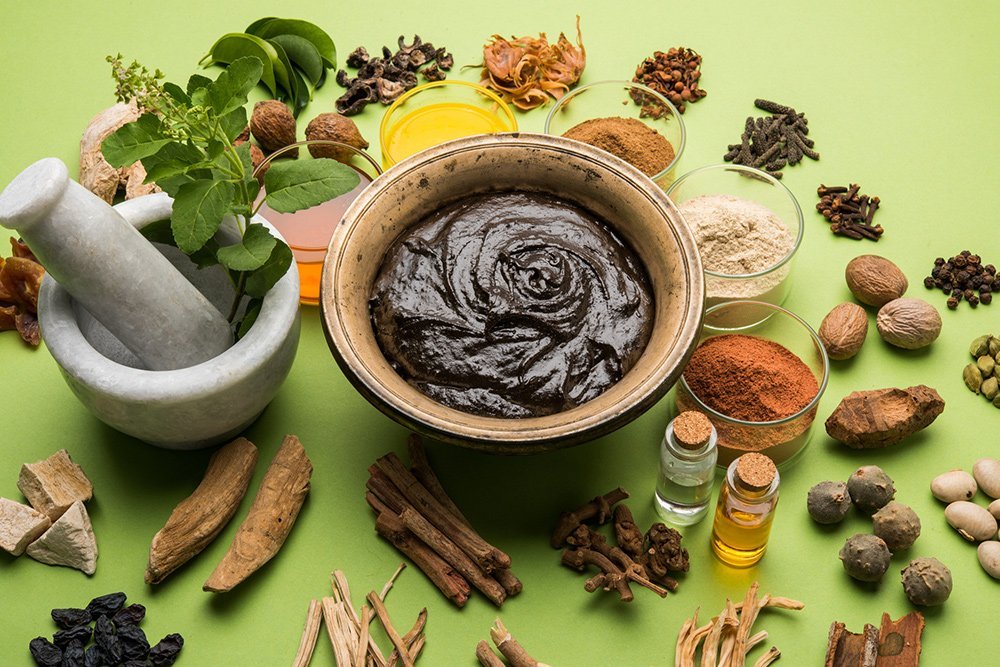
How to Strengthen Bones Naturally with Ayurveda: Diet, Herbs, and Daily Practices
How to Strengthen Bones Naturally with Ayurveda
Explore holistic, Ayurveda-based ways to support bone strength through balanced diet, time-tested herbs, and mindful daily routines.
Strong bones are essential for leading an active, healthy life. Many people look for natural ways to support bone health, especially as they age or become more aware of the impact of lifestyle choices on their bodies. Ayurveda, India’s traditional system of medicine, offers thoughtful, practical guidance—rooted in centuries of experience—for nurturing bones from within.
This guide explores how you can naturally support bone strength using Ayurveda-inspired diet, herbs, and habits, while always respecting modern medical understanding and individual needs.
Understanding Bone Health: Why It Matters
Bones do far more than provide structure and support. They protect vital organs, store minerals like calcium and phosphorus, and play an active role in our body’s metabolism. Good bone health helps reduce the risk of fractures, supports balance and movement, and promotes resilience as we age.
Key factors that can affect bone strength include:
– Nutrition (especially calcium, vitamin D, and other minerals)
– Hormones (such as estrogen and testosterone)
– Physical activity levels
– Aging and genetics
– Lifestyle habits (like smoking or excessive alcohol use)
– Certain medications or health conditions
Spotting Potential Bone Weakness
While only a medical professional can diagnose specific bone conditions, there are some signs that may suggest you’re not supporting your bones as well as you could:
– Frequent muscle cramps or aches
– Height loss over time
– Stooped posture
– Bone pain or increased risk of fractures
If you notice these symptoms or have risk factors for poor bone health, it’s important to seek medical advice.
The Ayurvedic Perspective on Bone Strength
Ayurveda teaches that bone tissue (called “asthi dhatu”) is more than just minerals—it’s sustained by overall digestion, nutrition, and balanced living. Ayurvedic practitioners view bones as being nourished from deep within the body, through layers of digestion and tissue building.
Supporting bone health in Ayurveda typically focuses on:
– Strengthening digestion to ensure proper absorption of nutrients
– Choosing wholesome, calcium-rich foods
– Incorporating herbs and routines that harmonize body and mind
– Reducing stress and excessive physical strain
Natural Ayurvedic Approaches to Supporting Bone Health
1. Nourishing Foods for Bone Strength
Ayurveda emphasizes whole, fresh foods that are easy to digest and naturally supportive of the body’s tissues. While specific dietary needs differ from person to person, here are some commonly recommended foods and principles:
– Dairy (in moderation): Cow’s milk, homemade paneer (fresh cheese), buttermilk, and ghee (clarified butter) are often valued for nourishing bones.
– Sesame seeds: Packed with calcium and healthy fats, sesame—especially black sesame—is traditionally considered bone-building.
– Leafy greens: Spinach, fenugreek (methi), drumstick leaves (moringa), and amaranth supply minerals and natural fiber.
– Nuts: Almonds (soaked and peeled) and walnuts are often suggested for their healthy fats and nutrients.
– Pulses: Moong dal and other easy-to-digest lentils provide protein for tissue repair.
– Fresh vegetables and fruits: Especially those high in vitamin C (like amla/Indian gooseberry, oranges) support mineral absorption.
– Stay hydrated with plain water or mild herbal teas—supporting all bodily functions, including bone health.
Ayurveda advises balancing a diet to suit your digestion and constitution. Excessively oily, processed, salty, or sugary foods may be best reduced.
2. Helpful Herbs and Natural Supplements (with Caution)
Traditional Ayurvedic herbs and minerals for bone health include:
– Hadjod (Cissus quadrangularis): Sometimes called “bone setter,” used traditionally to support bones after injury.
– Ashwagandha (Withania somnifera): Known for its adaptogenic properties and general support of vitality.
– Shatavari and Bala: Considered nourishing to body tissue in classical texts.
– Natural calcium sources: Herbs combined with natural calcium, such as those in some traditional preparations, may be discussed with an Ayurvedic practitioner.
It’s important to note that herbs and supplements can interact with medications or health conditions. Always consult a knowledgeable health professional before starting any herbal regimen, especially if you have underlying medical concerns.
3. Daily Habits to Support Bone Health
Ayurveda places high value on daily routines (“dinacharya”) to promote overall wellbeing. Some beneficial daily habits for supporting bone health include:
– Gentle weight-bearing exercise: Walking, yoga, simple strength training, or traditional Indian exercises help stimulate bone building.
– Sunlight exposure: Natural sunlight (10–20 minutes daily, as appropriate for your skin type and climate) can support vitamin D production, vital for bone health.
– Adequate rest: Sound sleep supports tissue repair and hormone balance.
– Regular Abhyanga (self-massage): Massaging the joints and limbs with warm sesame oil may be soothing and is thought to promote circulation.
– Managing stress through meditation, mindfulness, or gentle breathing techniques (“pranayama”), as chronic stress can weaken bones over time.
Responsible Considerations and Limitations
While Ayurveda can offer valuable lifestyle and dietary insight, it cannot replace medical treatment for diagnosed bone conditions (such as osteoporosis, severe vitamin D deficiency, or fractures). Not all Ayurvedic practices are suitable for everyone, especially those with allergies, chronic diseases, or specific dietary exclusions.
It is always advisable to seek personalized guidance from a qualified healthcare provider or registered Ayurvedic practitioner before making significant dietary or lifestyle changes.
When to Seek Professional Advice
Consult a doctor or healthcare professional if you:
– Notice unexplained bone pain or frequent fractures
– Experience persistent muscle weakness or fatigue
– Have known risk factors for low bone density (such as menopause, certain medications, thyroid conditions)
– Are considering new supplements or herbal products
Early intervention and professional guidance can ensure you receive the most effective, safe care for your needs.
Frequently Asked Questions
How does Ayurveda view bone health differently from Western medicine?
Ayurveda sees bone health as influenced by digestion, overall nourishment, and mind-body balance—not just minerals or bone density. Both systems agree on the need for good nutrition and regular movement, but Ayurveda also emphasizes digestive strength and daily routines.
Is it safe to use Ayurvedic herbs for bone health?
Some herbs like ashwagandha or hadjod have a tradition of use for bone support, but their safety can vary by individual. It’s always best to discuss any herbs with your doctor, especially if you are on medication or have health conditions.
Can Ayurveda help with serious bone conditions like osteoporosis?
Ayurveda may offer supportive lifestyle and dietary advice, but it does not replace medical evaluation or treatment for diagnosed conditions. If you have osteoporosis or frequent fractures, consult your healthcare provider for a comprehensive plan.
What are easy ways to incorporate Ayurveda into daily life for bone health?
Eating fresh, seasonal foods, maintaining a gentle exercise routine, getting regular sunlight, and setting aside time for relaxation or self-massage are simple Ayurvedic-inspired ways to support your bones.
Does everyone need to follow a specific “Ayurvedic bone health” diet?
No single diet fits all. Ayurveda emphasizes individualized recommendations. If you’re interested, consider consulting with a knowledgeable practitioner for personalized advice.
How long does it take to see results from these methods?
Supporting bone health is a gradual process. Ayurvedic approaches, along with general healthy living, focus on long-term maintenance, not quick fixes.
At medisecret.com, our commitment is to empower you with transparent, well-researched, and respectful health information. We believe in guiding you towards safe, informed choices that nurture your wellbeing over time. For any health concerns or questions about major changes to your routine, consulting with a qualified medical or Ayurvedic professional is always the wisest step.