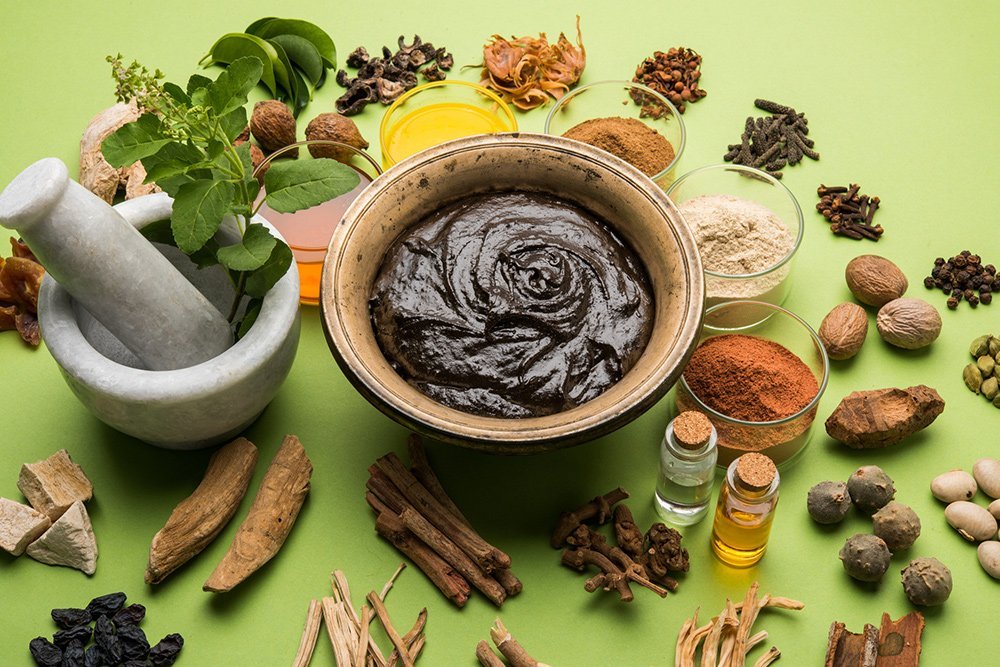
Managing Osteoporosis: Ayurvedic Medicine Insights for Bone Health
Managing Osteoporosis with Ayurvedic Medicine
Explore how Ayurvedic medicine supports osteoporosis management through natural herbs, diet, and lifestyle—learn practical, safe strategies for bone health.
Osteoporosis is a common condition where bones become weak and brittle, leading to a higher risk of fractures. Many people seek natural and complementary ways to support their bone health, and Ayurveda, India’s traditional system of medicine, offers a holistic approach. This article explores how Ayurvedic principles, herbs, and lifestyle advice may help manage osteoporosis—alongside standard medical care—and what precautions to keep in mind.
Understanding Osteoporosis
Osteoporosis literally means “porous bones.” In this condition, bones lose density and strength, increasing the likelihood of breaks or fractures, especially in the spine, hip, and wrist. Osteoporosis can affect both men and women but is more common in postmenopausal women due to a drop in protective hormones.
Why Bone Health Matters
Healthy bones provide structure, protect organs, anchor muscles, and store essential minerals such as calcium and phosphorus. As we age, preserving bone strength helps ensure independence, mobility, and quality of life. Factors like genetics, age, hormonal changes, diet, and physical activity all play a role in bone health.
Common Causes and Risk Factors
– Aging and menopause
– Nutritional deficiencies (especially calcium and vitamin D)
– Family history of osteoporosis
– Sedentary or inactive lifestyle
– Smoking and excess alcohol use
– Certain medical conditions and medications
Typical Signs and Symptoms
Osteoporosis is often called a “silent disease” because bone loss occurs gradually without obvious symptoms. Some may notice:
– Loss of height over time
– Back pain (especially from collapsed or fractured vertebrae)
– Stooped posture
– Bones that break more easily than expected
Ayurvedic Perspective on Bone Health
Ayurveda views health as a balance between body, mind, and environment. According to Ayurvedic texts, bones (asthi dhatu) are one of seven vital tissue layers. Imbalances, especially in the vata dosha (energy associated with movement and dryness), are believed to contribute to bone weakness.
Ayurvedic Approaches to Support Bone Health
It’s important to understand that Ayurveda is not a replacement for medical care, especially if osteoporosis is diagnosed or fractures occur. Rather, Ayurvedic principles may offer supportive guidance for daily self-care and overall well-being.
1. Herbal Support
Certain herbs have a historical role in Ayurvedic bone care. Always consult your healthcare provider before using any herbal supplements, as effectiveness and safety can vary.
– Hadjod (Cissus quadrangularis): Traditionally used to support bone healing and strength.
– Ashwagandha (Withania somnifera): May promote overall vitality and support stress management.
– Shatavari (Asparagus racemosus): Nourishes bodily tissues and may support hormonal balance.
– Guggul (Commiphora mukul): Sometimes recommended for overall bone and joint health.
– Arjuna (Terminalia arjuna): Known for supporting cardiac and bone health.
There is emerging research on some of these herbs, but large, robust clinical trials are limited. Use only products from trusted sources, and be aware of possible interactions with medications.
2. Dietary Recommendations
Ayurveda suggests a nutritious, easily digestible diet tailored to body constitution and health status. For osteoporosis:
– Include calcium-rich foods such as milk, yogurt, sesame seeds, ragi (finger millet), almonds, leafy greens, and tofu.
– Incorporate healthy fats (like ghee or sesame oil) to nourish bone tissue.
– Use warming spices (turmeric, ginger) known for their anti-inflammatory properties.
– Limit excess salt, caffeine, fried foods, and processed items, which may contribute to bone loss.
Drinking herbal teas such as dashmool or ashwagandha tea may be recommended in traditional practice, but individual needs vary.
3. Lifestyle Practices
Ayurveda emphasizes balance in daily living:
– Engage in gentle, weight-bearing exercise such as walking, yoga, or tai chi, which helps maintain bone strength and improves balance.
– Establish a routine of adequate sleep and stress management (through meditation, pranayama/breathwork, or mindfulness) to support overall health.
– Practice “abhyanga”—self-massage with warm oils—to support circulation and nourish tissues, often suggested in Ayurvedic routines.
– Avoid tobacco, excessive alcohol, and environments that cause dryness and extreme cold, which are thought to aggravate vata dosha.
Safety and Limitations
While Ayurvedic practices may be beneficial as part of a holistic bone health routine, they should not replace standard osteoporosis diagnosis or treatment. Some Ayurvedic herbs can interact with prescription medications or may be unsuitable for those with certain medical conditions (such as hormone-sensitive cancers, kidney disease, or pregnancy). Always consult a qualified healthcare professional and an Ayurvedic practitioner before starting any new supplement or therapy.
When to See a Healthcare Professional
– If you are over age 50, have a family history of osteoporosis, or have experienced unexplained fractures.
– If you have significant risk factors (e.g., early menopause, long-term steroid use).
– For persistent bone pain, height loss, or changes in posture.
– Before beginning any new herbal, dietary, or exercise regimen.
Remember: Timely medical check-ups and, if recommended, bone density testing are important for early detection and optimal management.
Frequently Asked Questions
Is Ayurvedic medicine enough to manage osteoporosis?
Ayurveda may offer supportive herbs, dietary, and lifestyle practices for bone health but should not replace medical diagnosis, monitoring, or treatment. It is best used alongside conventional medical care as part of a comprehensive approach.
Are Ayurvedic herbs for osteoporosis safe?
Some commonly used herbs appear safe for most people, but herbal supplements can interact with medications or have side effects. Always discuss with your doctor or an experienced Ayurvedic practitioner before using any supplements.
How long does it take to see benefits from Ayurvedic approaches?
Ayurvedic approaches generally emphasize gradual, sustainable improvements rather than quick fixes. Results vary by individual factors, overall health, and concurrent therapies.
What foods should I eat in an Ayurvedic bone-friendly diet?
A diet including calcium-rich foods (milk, sesame seeds, leafy greens, ragi), healthy fats (ghee, sesame oil), warming spices, and plenty of fruits and vegetables is generally recommended. Individual recommendations may differ based on your constitution and health status.
Can Ayurvedic therapies prevent osteoporosis?
Current evidence does not confirm that Ayurveda can prevent osteoporosis, but healthy habits from both Ayurveda and modern medicine—such as nutrition, activity, and stress reduction—can support bone health and reduce risk factors.
Final Thoughts
At medisecret.com, we strive to offer clear, responsible information that empowers you to make informed choices for your health. If you are considering Ayurvedic medicine for osteoporosis, do so in partnership with your healthcare providers. Combining the wisdom of traditional and modern approaches helps you build a lifestyle that supports strong bones, safety, and well-being throughout life.