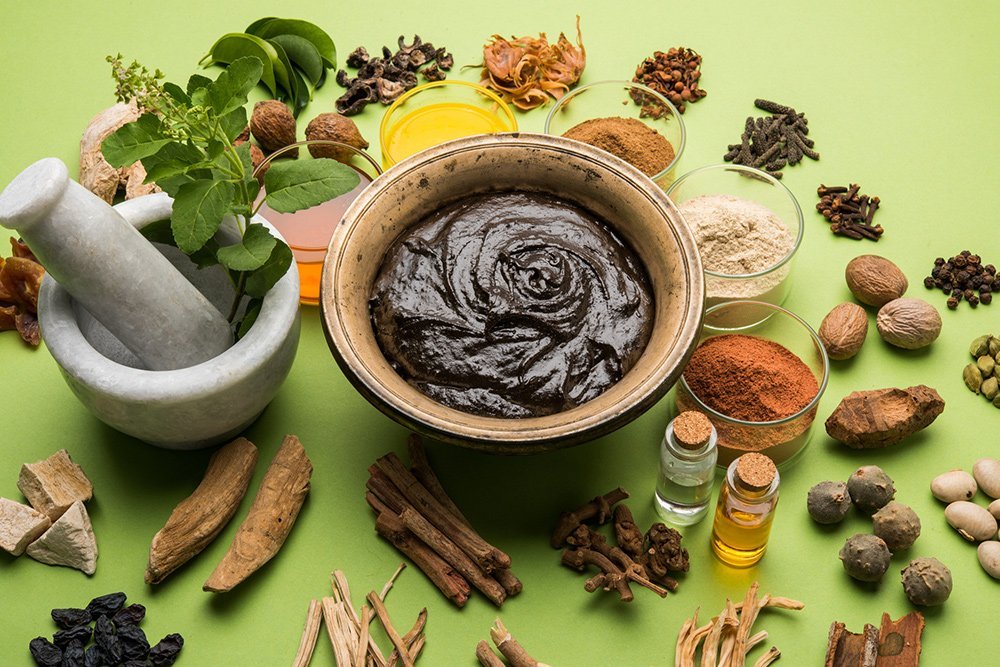
Managing Dandruff with Ayurvedic Medicine: Natural Approaches for Scalp Health
Managing Dandruff: Ayurvedic Remedies and Lifestyle Guidance
Discover how Ayurveda addresses dandruff with herbal care and daily habits, offering gentle, informed options for healthier scalp management.
Dandruff, characterized by a flaky and sometimes itchy scalp, is a common concern that can affect anyone at any age. While not dangerous, persistent dandruff can be frustrating, cause social discomfort, and sometimes indicate underlying scalp imbalances. For those exploring alternatives to conventional shampoos and medications, Ayurveda—a holistic healing tradition rooted in India—offers a gentle, natural approach to scalp wellness.
What is Dandruff?
Dandruff refers to the shedding of dead skin cells from the scalp, often visible as white or yellowish flakes in the hair or on clothing. Mild itching may be present, though severe inflammation or redness could suggest other conditions and should be evaluated by a healthcare professional.
Why Does Scalp Health Matter?
A healthy scalp is essential for comfortable living and plays a role in overall hair health. Persistent dandruff can impact self-esteem, lead to scalp irritation, and in rare cases, contribute to hair breakage if left unchecked. Addressing dandruff early can promote confidence and reduce discomfort in daily life.
Underlying Causes of Dandruff: Ayurveda and Modern Understanding
From a modern perspective, dandruff often results from a combination of causes, such as:
– Overgrowth of scalp yeast (Malassezia)
– Excess oil production
– Sensitive reaction to hair products
– Dry skin or climate
– Infrequent washing or brushing
Ayurveda identifies dandruff as a manifestation of imbalances in the body’s doshas—particularly excess Vata (dryness) and Kapha (oiliness). According to Ayurvedic teachings, disturbed scalp health results from these internal imbalances combined with external environmental triggers.
Ayurvedic Approaches to Managing Dandruff
Ayurveda uses a combination of natural remedies, scalp care routines, and lifestyle adjustments to restore harmony and promote a healthier scalp. While scientific research is still ongoing, some traditional practices have been used for centuries and may offer support for mild dandruff.
Key Ayurvedic Herbs and Natural Ingredients
1. Neem (Azadirachta indica):
Known for its antibacterial and antifungal properties, neem leaves and oil have long been used in Ayurveda for various skin issues. They are sometimes applied as a scalp paste or added to hair oils (after diluting and patch testing for sensitivity).
2. Amla (Indian Gooseberry):
Amla is rich in vitamin C and provides antioxidant support. It’s used in hair oils or as a powder mixed with water for scalp application, aiming to soothe irritation and balance scalp pH.
3. Fenugreek (Methi):
Fenugreek seeds are soaked overnight, ground into a paste, and applied to the scalp to help reduce flakiness and support hydration.
4. Aloe Vera:
Prized for its cooling, moisturizing effects, aloe vera gel is gently massaged onto the scalp to relieve itching and dryness.
5. Bhringraj:
Regarded in Ayurveda as a hair-nourishing herb, bhringraj is often found in herbal oils. It may support scalp health and help maintain hair’s natural balance.
Ayurvedic Application Methods
– Herbal Oils:
Warm, medicated oils (such as coconut or sesame oil infused with Ayurvedic herbs) are massaged gently into the scalp. This process, known as “abhyanga,” can help moisturize the scalp, improve circulation, and promote relaxation.
– Herbal Pastes:
Fresh or dried herbal powders may be made into a paste with water or aloe vera gel, then applied before washing the hair.
– Scalp Cleansing with Mild Herbal Rinses:
Shikakai, reetha, and infused water with neem or amla may replace harsh shampoos, helping cleanse without stripping away natural oils.
Additional Lifestyle Practices in Ayurveda
1. Regular Hair Washing:
Maintaining a clean scalp with gentle washing several times a week helps reduce build-up and flakes.
2. Diet and Hydration:
Ayurveda suggests regular hydration and a wholesome diet rich in fresh fruits, vegetables, and healthy fats. Limiting processed, overly spicy, or oily foods may also benefit scalp health.
3. Stress Management:
Mind-body practices such as yoga, meditation, and pranayama (breathwork) can help lower stress, which sometimes triggers or worsens dandruff.
4. Scalp Massage:
Routine scalp massage encourages relaxation and healthy blood flow, conditions considered key to maintaining a balanced scalp in Ayurveda.
Limitations and Responsible Use of Ayurvedic Remedies
While Ayurvedic medicine emphasizes harmony and prevention, it is important to note:
– Robust scientific studies on Ayurvedic remedies for dandruff are limited.
– Herbal ingredients can cause allergic reactions or irritation; always do a patch test.
– Natural remedies take time and consistency; immediate results are unlikely.
– Ayurvedic care can complement—not replace—medical evaluation, especially for severe, persistent, or worsening scalp symptoms such as redness, pain, or hair loss.
If dandruff does not improve with home care, or if there is severe discomfort, consult a qualified healthcare provider or dermatologist.
Frequently Asked Questions
Is there scientific evidence that Ayurvedic herbs help with dandruff?
Research into individual herbs like neem and aloe vera suggests some antibacterial and soothing properties. However, comprehensive clinical trials on Ayurvedic dandruff treatments are still limited, so these remedies are best viewed as gentle supportive measures rather than definitive solutions.
Can I use Ayurvedic remedies alongside regular shampoos or treatments?
In most cases, yes—Ayurvedic remedies can complement conventional approaches. However, always check for ingredient compatibility and discontinue use if you notice irritation or an allergic reaction.
How long does it take to notice results with Ayurvedic remedies?
Herbal and lifestyle-based approaches are typically slower-acting than medicated shampoos. Consistency is key, and it may take several weeks to see visible reduction in flakes or irritation.
Are there any side effects from using Ayurvedic ingredients?
Though generally mild, some herbs or oils can cause sensitivity or allergies. Always test a small amount on the skin before applying to the scalp, especially if you have sensitive skin or a history of allergies.
When should I seek medical advice for dandruff?
See a healthcare professional if you experience severe redness, swelling, pain, oozing, or significant hair loss, or if dandruff does not improve after several weeks of at-home care.
Can lifestyle changes really affect dandruff?
Yes, factors like stress, sleep, hydration, and diet can influence scalp health according to both modern and Ayurvedic perspectives. While not a cure, adopting healthy habits sets a foundation for overall wellness.
Medisecret.com is committed to providing transparent, research-backed health information to help you make informed choices. Whether you are curious about natural wellness or seeking ways to support scalp health, blending traditional wisdom with evidence-informed care empowers you to choose what feels best for your body. Remember, gentle experimentation is valuable, but medical advice remains essential if symptoms persist or cause concern.